Absolute Credit Series: Rated Funds & CFOs 2025 Update
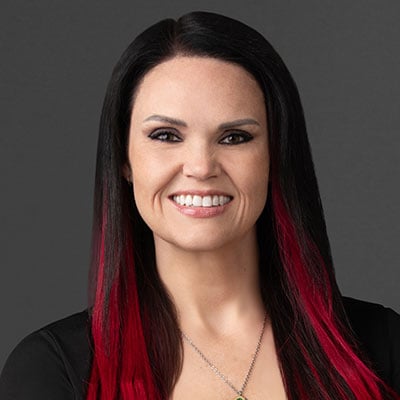
In episode three of the Absolute Credit video series, partner Lindsay Trapp is joined by KBRA Chief Rating Officer Bill Cox to discuss key developments in the rated funds, feeder note and CFO markets. They explore the rapid growth and increasing complexity of rated fund and CFO structures, expanding asset classes and geographies, the rise of evergreen and perpetual vehicles, and how KBRA evaluates collateral, managers and structures as investor demand for private credit exposure continues to evolve.
LT (00:10)
Good morning and welcome to the Kirkland & Ellis Absolute Credit Vlog series. I'm Lindsay Trapp. I'm a partner and co-head of the Structured Capital & Insurance Solutions Group and I'm very excited to be joined today by Bill Cox, the head of ratings at KBRA. Hi Bill, welcome.
BC (00:26)
Hi, Lindsay. Thanks for having me.
LT (00:28)
Awesome. So congratulations on your new role. We're very excited to see you in this post and really honored that you come on here to talk to us a little bit today. Some of the stuff I wanted to … I have like a million questions for you, but I will temper myself. So, you guys put out one of the most amazing pieces in the market this autumn around rated funds and CFOs and what you guys are seeing in trends in the market there. Could you give us just a little bit of overview of that and maybe we can walk through some of your findings?
BC (01:04)
Sure, sure. Thank you. And thank you for that. And it's an honor to be with you and congratulations on your new role as well. Thank you. We're glad to continue to work with you always. Yes, that piece was an effort across a number of our different teams in funds debt ratings. And the broad message is that ever since the NAIC in particular clarified its treatment of rated note feeders, tranches and so forth, we've seen an absolute explosion of new platforms who are using investment vehicles. We've also seen a geographic expansion, meaning the collateral types are increasingly diverse across geographies. We've also seen the type of collateral become more diverse. So, while it used to be private equity and secondaries and traditional direct lending part of private credit, now we're seeing a lot of different collateral types be put into these feeder note and CFOs. And then just generally, volume growth and complexity growth has also been highlighted in that report.
LT (02:16)
Well, we do like to keep you on your toes! You know, make sure that we can come up with something new and fresh to keep you guys alert. Excellent. Well, I think you have some slides for us, which is awesome. So maybe we can go through some of the findings that you guys had in this paper.
BC (02:35)
Sure, sure. And if you think it's helpful for any of your viewers who don't know as much about KBRA as I know you do, Lindsay, I can give a quick background.
LT (02:44)
Absolutely, please do.
BC (02:47)
For those who aren't familiar with KBRA, we're just a 15-year-old rating agency founded in the shadow of the financial crisis by Jules Kroll and Jim Nadler, who is our CEO. And the goal was to have a rating agency that filled what we perceived to be a void and being able to respond to market changes and be absolutely focused on investor needs. So, in just 15 short years, we're now up to over 650 employees. We've rated over $4 trillion of debt. Over 80,000 ratings have been issued, and it's increasingly a global footprint. So, we're based in New York, Chicago, Dublin, London and most recently Tokyo.
And, Lindsay, it's because of the growth in feeder notes, CFOs, NAV facilities, which I know you've worked with us on a lot of those transactions, the amount of investor interest in Japan and in Asia broadly has increased dramatically. And they're certainly pulling us into that market. So, we're excited to have just opened an office in Tokyo. And then on the next slide, with regard to the footprint of KBRA, slide three. When we talk about private credit, typically in the market folks talk about private credit, they're either thinking direct lending or they're thinking about some other part of private credit or they're some article that doesn't understand private credit. And we look at it across the whole landscape of a broad trend from a rating agency perspective that we're seeing that's tied to a macro trend. And that macro trend is growth in private markets, the growth of AUM associated with private markets. And then alongside that is this increased investor appetite for having fixed income exposure to a variety of private market strategies and asset types. This is a global phenomenon. It's not just U.S. insurance companies. It's not just insurance companies.
It's occurring in Europe, in Asia, and it's occurring across different investor types. So, the broad macro strategy that KBRA has been involved in, which has led to our work in feeder notes and CFOs, is this incredible growth in private markets and the desire by many investors to have a fixed income version of exposure to that market. So, that is essentially the story. And then if you go to slide four, we have a ton of research about all of those different categories and happy to go through them. And then with regard to the specifics in feeder notes, maybe a little bit of definition if you move on to slide six. And Lindsay, this is where you might want to pop in with some specific questions. We get this question increasingly: And that is, what are we rating exactly? If we're doing a feed or no transaction or a CFO and that it's especially relevant because there are an increasing number of rating agencies that define things a little differently entering the space. And to bring it sort of to the core of what we're rating in these transactions in a funds context, there are two broad categories of funds ratings that are most active in the market and with KBRA. One is a category of fund finance where we're rating leverage to a fund in the form of either a subscription facility or a NAV facility or what we call fund investment vehicles. Our methodology is actually broken down into fund finance and fund investment vehicles. Fund investment vehicles are basically special purpose vehicles that are investing in one or more funds and it is the collateral or the cash flow or the underlying assets in those funds that are repaying debt instruments that are the way that that special purpose vehicle has raised capital in order to invest in those strategies. Why is that important to distinguish? There are some rating agencies that rate a fund.
We do not rate a fund as a starting point. We essentially are looking at the ability of the underlying collateral or the assets or the cashflow or the ability to call capital. The ability of those things to repay the debt instrument that we're rating pursuant to a waterfall, which you very carefully create, which can change over time, and therefore, we model cashflow analysis against that waterfall that can change with time, with value, with performance. And that is in essence what we have been doing in both the rated note feeder and CFO space for some time now.
LT (08:02)
Yeah, I certainly get a lot of questions and I am very grateful that I get to spend a lot of time with you guys. So, I can answer some of them around, you know, kind of "What are you guys looking at? What should I be expecting in the context of the ratings process?" and that kind of stuff. And one of the things that I think folks are — because of the expansion of asset classes and also just the kind of ever-increasing number of CFOs that are being done in the market that are mixed assets or finance companies, right? Which are, you know, kind of standalone rated structures where there might be mixed assets. How do you guys kind of look at those? I know, you know, in the past I've had some things where I'm dealing with maybe some of the folks in the funds team, but you also might have somebody from a different, like very specific asset class team that's looking at those things. So, how do you kind of approach something that has multiple types of underlying assets?
BC (09:01)
That is a great question. And I think a point of pride for KBRA, in particular, because one of our hallmarks is our ability to work across different business units that are expert in different areas. And that's part of why we're able to respond to new debt instruments in the market or new complexities in the market. So, for example, when we're doing a feeder note into a direct lending strategy, there are essentially three teams involved, always. One team is the funds debt rating experts, which are the ones who apply the funds debt rating methodology to the transaction in the ways I just described. The other is the corporate team. Our corporate team is expert at providing credit estimates on underlying loans that are in a feeder note as collateral. And we've now done, for example, over of 4,000 credit estimates this year alone on 2,200 unique companies. And that portfolio, which continues to grow in terms of the size of the companies, the diversity of the companies in terms of regions, that portfolio of credit estimates now accounts for over a trillion dollars of debt. So, if you think about that as a snapshot of what's going on in direct lending, our corporate team has among the best data sets available anywhere, including in the platforms themselves, because they know their own loans and they know their own co-lending loans, but they don't know everybody else's loans. We have loan level data, we have credit memos, we have financial information on those companies. And So, when we talk on a quarterly basis about the performance in that portfolio, it's from a really strong position of data.
But let me get back to your question. That's the point. In that context, the corporate team is involved, the funds team is involved, and then your favorite, the ratings legal team, led by none other than John Hogan, who is responsible for making sure that our interpretation of the documents, the waterfall, aligns with how the funds team builds the cashflow model. And then the funds team will grab the estimates and the expected performance of the underlying collateral. And those things coming together is how we create one example of a rating type, a feeder note into a direct lending strategy. But as you said, there is increasingly large numbers of different asset types that are in these fund strategies. So, our ABS team has been very involved in our work with ABF strategies, which have ranged, continued to grow in a lot of different directions, but it's probably among the hottest topics, right? ABF collateral being inside of a funds debt rating strategy. And that can be anything from consumer and commercial finance. In fact, I think there's a slide later on. Let me see, how about ... slide 14, if you don't mind, let me tie this back to what folks may be hearing. So, you hear the CEOs of a lot of the big private equity platforms talking about private credit being now a $30 or $40 trillion opportunity, but we all know that direct lending space is somewhere between $1.5 and $2 trillion. So, how do you get there? This is a map of how they're thinking about it. These are the different parts of the lending credit markets that are traditionally in the hands of banks and other non-bank financial institutions that now a lot of the private credit platforms are pursuing. So, we've seen music royalties, all sorts of consumer finance, commercial finance assets now migrating into funds. And therefore, if it is mortgages, residential mortgages, then our RMBS team is involved. If it's music royalties, then our Esoteric ABS team is involved in analyzing the collateral in the same way that I described that our corporate team does in a simple feeder note into a direct lending strategy. So, a lot going on in that space and a lot changes depending on the structure that you create with your client with regard to how that waterfall performs and whether we're doing top-down analysis or bottoms-up analysis of individual assets varies considerably depending on the structure that you create.
LT (13:44)
Absolutely, and the asset class expansion has been phenomenal and interesting and fun for me. I came from the just traditional private credit background. So, it's lovely to see new and interesting things that folks are putting together. And I suppose sort of linking some of the other stuff you were talking about, we're seeing a bit of a rise as well in funds that are themselves doing subscription facilities for other funds and kind of packaging that up now or securitizations if they're not rated funds but securitizations as well in that space. So, is that one where you would kind of have two methodologies together or would it be more of a fund and we're just looking at those as sort of their specified assets?
BC (14:37)
Yeah, that's a great question. It's the same methodology, but it would be different teams. So, in that case, the way that I described the corporate team being the provider of the collateral analysis in the case you just described, part of the funds team would be the collateral analysis providers to the other part of the funds team that's working on either the feeder or the NAV facility. So, yeah, when we think about ABF, fund finance is increasingly an ABF category. And depending on who you talk to, they say, "No, no, no, that's not the case." But it is, right? So, whatever that collateral type is, the experts that are best able to assess that collateral type obviously play a really important part of the transaction.
LT (15:30)
Awesome. That's very, very interesting. And the results here are for someone who does this for a living as well, it's heartening to see the big results and kind of how much this market has grown. I think it's just absolutely fantastic. And the paper was really just filled with insights and interesting things. So, I think that's also available on your website as well, right? I think you can sign up to be a part of the website and get a copy of that as well.
BC (16:05)
Yeah, and if you want, I can go through some of the sort of high-level stats that are in there that have actually been, you know, continued since that was taking data through the first half of the year. We just recently did a, you know, an update on the third quarter and how it impacted those stats. And it's pretty remarkable in terms of the growth and all the ways we talked about.
LT (16:30)
Absolutely love to do that. That was about where I was just going was to ask you about how many numbers have we have we seen this year and ever presently growing?
BC (16:40)
Yeah, if you go to slide 10, it lays out some of those big picture trends that I mentioned before. And again, the big picture trends in this space of feeder notes and CFOs, geographic expansion. One of my favorites as an example, because it's not just geographic expansion of the collateral type, it's also geographic expansion of the investors and of the issuer. So, we recently worked on a CFO that was a U.S.-based credit platform combined with an Asia-based private equity platform coming together, originating assets, and then selling or marketing the CFO into Europe, the Middle East and North America. It was really remarkable in terms of the overlap of the different types of geographic expansion that's taking place. And we see that sort of having a multiplier effect given the number of investors that are interested in different geographies and in other region assets. The second one is investor types. So, obviously among the most significant that folks may be familiar with is the increasing presence of third parties providing the equity in CFO or feeder note structures. It's not taken off as much as we would have thought, but it's definitely increasing and we expect it to increase even if it's at a slower pace than than original expectations. Another investor type that is now appearing in these structures is the retail investor, which takes on a whole layer of complexity.
And this is more with regard to NAV facilities into perpetual strategies that include retail investors, less so feeder notes. But we have seen at least one feeder note that combines institutional investors with retail investing using quarterly sweeps into or from the wealth platforms and then into the given strategy, which was a phenomenal transaction to work on, if you can imagine the complexity. ⁓
The third thing that I didn't mention earlier, and that's just the duration that we're seeing in these transactions, which mirrors to some extent the migration into perpetual strategies, but also the general appetite amongst especially insurance investors in the U.S. and Bermuda and parts of Asia and increasingly in Europe for long duration exposure to these given strategies. It just marries up well with their balance sheet liabilities. And so an increasing number of 30-, 40-year transactions, but usually around 20. And then the collateral type that we've already talked about. So, those are the big picture trends. On slide 11, we have essentially through the first part of the year, we saw 13 new managers do feeder notes by count. And the dollar amounts we expected to exceed prior years. And the same for CFOs, as you can see on the right part of that slide. But if you go to slide 12, you can see that we're already past last year. So, feeder notes as one example, we expect it to be possibly 30% more this year than last year. And we see no end in sight in terms of the number of managers increasing presence of very large transactions, billion-dollar plus, as well as these different regional components coming together to impact the number, the size, and the complexity of transactions.
LT (20:41)
Yes, so we were very excited to work on at least one of those, well, it actually $2 billion plus deals with you guys, which was great. And I think this firmly explains why myself and our team have not slept in about two years. But hey, it's good, it's good. Yeah, this is fantastic. And I do think, you know, just from our side, we are seeing so many people, so many different types of managers, you know, really starting to come into this to want to do a number of deals, you know, instead of kind of just, well, we might do one for this fund now, we're getting a lot of approaches for, hey, you know, we want to set up, yes, a first one to kind of do it, but then the goal is to essentially put a rated fund on every fund complex that it possibly can be rated, which is fantastic. And I think it just really shows how far this market has come. And with the help of folks like you that you're kind of looking at, hey, there are ways to measure cash flows off different asset types that we can kind of work together and make things. And one of the things I also saw on that last page was the rise of evergreen funds and as we were talking about, I think that that has probably been one of the most interesting things to watch and see. That's really just a wider private funds market expansion is into evergreen structures, be they BDCs or private evergreen structures. And I was lucky enough to work on one of the very first funds with you guys into a perpetual BDC and have done more than I can count now with you guys and with structures that have evergreen funds in them, but they are very unique in the way that they work, obviously. And we will leave aside the evergreen rated fund that we just did, which has been out there in the market. I think we're leaving that to a very special webinar that will be done on that structure. But I think from your guys' side, a lot of folks want to sort of understand how the ratings process goes when you have evergreen structures in there. And we're seeing an increasing number of evergreen structures in CFOs, which in a rated fund, obviously have worked through that a number of times. We have mechanics on different ways that that can be done. But particularly in CFOs, is there anything from a ratings perspective as maybe the weighting of having let's say more of the CFO's capital into an evergreen fund or multiple evergreen funds that kind of comes into play when you're thinking about that.
BC (23:37)
Yeah, is, Lindsay. First of all, you're being modest. You've been more than just a participant in the evolution of this part of the market. You've been a leader in more ways than I can describe on this call. But I'm sure we'll have time to talk about that on that other call. So, thank you for that. You've been very thoughtful and helpful to us and to the market. We have seen the trend that you just described play out with several particular platforms who have basically seized on the precedent that you and we and some others set with some of the earliest transactions. the complexity is this, right? You have a perpetual fund, which means that you don't have a natural liquidation of the assets that lead to an amortization of the debt, right? So, the challenge is how do you get to a point of amortization?
And in the earliest structures, simple single fund, you're basically doing things that are somewhat awkward or difficult to accomplish, like carving out assets on a pro rata basis for the feeder structure to allow those assets to pay down and amortize the debt instruments. But as the types of perpetual fund strategies have become more complex, making it more difficult to do things like you described. There are other very complex mechanisms to grab cash flow and over a longer period of time, carve out distributions and allow for the notes to be repaid. But the big step forward, again, I'm just talking about a single strategy example.
The big step forward is this notion that there may be perpetual financing vehicles sitting on top of perpetual funds, right? So, rather than amortize to refinance. And if you're a long-term investor in a perpetual strategy, then expecting the ability to refinance is going to be something that will be part of that landscape, which is not that different than how BDCs operate. They're on balance sheets, right? They're refinancing the debt. They're not amortizing the debt.
⁓ So, it is a really interesting dynamic, but then that gets incredibly complex when you have multiple strategies, some of which are perpetual, some of which aren't. And there is a transition that we make that we can't define exactly, but it is a transition that we make at some point, given the amount of diversity of collateral, where we go from a top-down or bottom-up analysis to a top-down analysis, which is the manager across these strategies essentially functioning much the way of a non-bank financial institution would function and then have part of its balance sheet being managing debt, part of it being managing equity, and part of it being managing an allocation into different investment strategies. It's a difficult thing to pin down, but we have seen some platforms do CFO structures that are so large and so diverse that it becomes more of an analysis of their ability to refinance debt and to manage through the life of the various assets in a way that is consistent with the waterfall need to possibly amortize but likely refinance.
LT (27:19)
Interesting. And I think that that does raise something else that I get asked a lot, which is sort of how much does the manager and due diligence and sort of analysis of the manager play into the ratings process because it's certainly when we're rating a blind pool in particular, you know, there's a lot that history counts for a lot, let's say track record counts for a lot. So, maybe if you could just run very quickly through kind of what you guys are looking at in the due diligence and for folks that are thinking maybe they've set up a new shop or, you know, are coming into this in a new strategy. What are some of the points that you guys are going to be looking at in regard to the manager diligence?
BC (28:00)
Yeah, you hit the nail on the head with the first one, which is experience in that particular asset type. So, from the simplest example of a single feeder node into direct lending, obviously a manager having a long track record in direct lending is incredibly important. And we're looking for ability to source, to manage, to screen, to work out when necessary, looking at default history and what recovery performance was, ability to loans appropriately is also something that's really important. And basically giving us confidence that they can work through different market conditions and scenarios and different idiosyncratic events that can impact their individual transactions. I believe there's a slide, the next slide might even have in terms of the performance, rating stability. The manager is a critically important part of rating stability, right? So, the feeder notes have, for example, or CFOs have two important features that have provided rating stability, and that is the manager's experience in that particular asset class.
Second is the conservative nature of the structure, the ability of the structure to absorb potential losses or performance that hasn't quite met expectations in the base case scenario. Those two things have led to an incredible amount of rating stability. So, it begs the question with all these expansions into new collateral types, what are we doing about responding to, hey, we want to do this? We have said no to a lot of transactions where we didn't feel comfortable that that manager had enough of a track record in that particular collateral type. Or in the other extreme, had experience in that collateral type, but not yet enough to get us comfortable in a CFO-type structure. So, it is a very interesting time, but it's also a time where we continue to see incredible amounts of stability because of that conservativeness built into the structures. When we published the paper in the early part of the fall, we had not seen any downgrades in the entire year for quite a number of transactions and ratings of tranches. That's changed. We had a couple of downgrades of tranches recently.
And I'd say it is indicative of a management-driven decision process, which is dealing with ramp risk, to your point. So, you brought up blind pool, and now we've seen some of these transactions get a little bit long in the tooth without the ability to deploy against the chosen strategy, right? So, maybe they wandered off a little bit, or they got a little too concentrated. And we've had two transactions recently where that concentration was something that we responded to with a rating adjustment because concentration is, concentrated exposure of any type is an enemy of these transactions. And so we don't expect a lot of that, but we do see it as a thing that we're increasingly watching. And that is a management consideration.
LT (31:42)
Yeah, absolutely. I think, know, as we continue to do, and we too are seeing a lot of very long dated paper in these structures, you know, I think that what has historically been a fairly steady and not that many downgrades kind of, you know, overarching market, I think that as people have to go through a number of market cycles with some of this, you know, 20-, 30-, 40-year paper that's out there, you know, assuming that they don't refi shortly thereafter at some point, you but there will be a lot of market cycles, I think, involved in a lot of these structures. And it will be, you know, just like we've experienced in the past, those who can manage through it will succeed and, you know, others may not be able to, but it's great that you guys are there and watching and the surveillance clearly seems to be doing its job, which I think will give comfort to investors out there. So, that's fantastic and very interesting information put in there. That's fantastic.
Well, I just want to ask you one last question, which is where do think we're going from here? We are coming up on 2026, which is insane. I barely remember 2025 at this point, but you know, anything that you're sort of expecting to continue to see or new things that you're hoping to see or might, you know, be forecasting at this point?
BC (33:13)
Well, I'd say this is one that is a pretty important trend to watch, which is both the number and the size of defaults that may occur in the direct lending landscape. We see the structures being able to absorb this level of default. One of the things that is going to be really interesting for everyone is the amount of recoveries. So, we've seen recovery rates on some of these defaults be a bit lower than market expectations. So, we'll be monitoring that. I'd say generally though, the great majority of these companies, as the next quarterly compendium published later this week will point out, the great majority of privately owned, sponsor-backed, private direct borrowers, the great majority of them continue to outperform almost any metric relative to private markets in terms of earnings growth, revenue growth. They are by nature companies who are designed to be in some stage of growth cycle, of a growth cycle, and they are performing exactly that way. So, we'll publish more data about that. So, despite the rise in defaults, we think that overall, the collateral that sits behind a lot of these transactions will continue to perform well.
On the other side, in private equity-backed transactions, the timing of exits and the value of those exits will be something that we'll be watching quite carefully. I think we all know that exits have been somewhat delayed and we'll see if '26 changes that. I think that will be one of the most important trends to watch. A third trend will be this migration toward retail investors will inevitably lead to more scrutiny, more hearings, more regulatory poking at minimum and certainly something that bears watching. And then last but not least, my hope is that media outlets will get a better understanding of private credit so that they can talk about the real risks as opposed to the risks that they maybe are are being misguided with regard to where they exist because there are real risks and real concerns that are manageable, but that are real and they're not being paid attention to because of distractions like, gee, First Brands must be private credit because it defaulted.
LT (35:57)
Yeah, absolutely. I would say on top of those things, my predictions for 2026 are that you and I and several others will be doing a lot more evergreen rated feeders, so perpetual debt issuance vehicles. And I certainly think that CFOs are going to continue to grow in size and complexity and different asset types, which is great and very interesting. But it is as sort of these products expand outside of what was traditionally an insurance-related space. We are certainly seeing a lot of not just global insurers in these, but different types of investors that are interested in having exposure to either the debt or the equity in these structures, depending on what their goal or their appetite is in investing in that, which I think is exciting and interesting for all of us.
We are so grateful that you came on and talked to us today. This information is fantastic. And if you could just keep putting that out, we'd love it. That'd be fantastic. We are always happy to help and to feed in. But this has been amazing. And we so look forward to continuing to work with you. And for anybody who is looking for information.
All of this information, other publications are available on the KBRA website, which is a wealth of information and knowledge and, obviously, Bill and team are there and available to speak to you about your rated funds transactions, as are we here at Kirkland. And we look forward to enjoying the rest of our sunny day, and seeing how much the expansion grows as we come into the winter and into the new year.
Thank you so much, Bill, for joining us.
BC (37:45)
Thank you, Lindsay.
LT (00:10)
Good morning and welcome to the Kirkland & Ellis Absolute Credit Vlog series. I'm Lindsay Trapp. I'm a partner and co-head of the Structured Capital & Insurance Solutions Group and I'm very excited to be joined today by Bill Cox, the head of ratings at KBRA. Hi Bill, welcome.
BC (00:26)
Hi, Lindsay. Thanks for having me.
LT (00:28)
Awesome. So congratulations on your new role. We're very excited to see you in this post and really honored that you come on here to talk to us a little bit today. Some of the stuff I wanted to … I have like a million questions for you, but I will temper myself. So, you guys put out one of the most amazing pieces in the market this autumn around rated funds and CFOs and what you guys are seeing in trends in the market there. Could you give us just a little bit of overview of that and maybe we can walk through some of your findings?
BC (01:04)
Sure, sure. Thank you. And thank you for that. And it's an honor to be with you and congratulations on your new role as well. Thank you. We're glad to continue to work with you always. Yes, that piece was an effort across a number of our different teams in funds debt ratings. And the broad message is that ever since the NAIC in particular clarified its treatment of rated note feeders, tranches and so forth, we've seen an absolute explosion of new platforms who are using investment vehicles. We've also seen a geographic expansion, meaning the collateral types are increasingly diverse across geographies. We've also seen the type of collateral become more diverse. So, while it used to be private equity and secondaries and traditional direct lending part of private credit, now we're seeing a lot of different collateral types be put into these feeder note and CFOs. And then just generally, volume growth and complexity growth has also been highlighted in that report.
LT (02:16)
Well, we do like to keep you on your toes! You know, make sure that we can come up with something new and fresh to keep you guys alert. Excellent. Well, I think you have some slides for us, which is awesome. So maybe we can go through some of the findings that you guys had in this paper.
BC (02:35)
Sure, sure. And if you think it's helpful for any of your viewers who don't know as much about KBRA as I know you do, Lindsay, I can give a quick background.
LT (02:44)
Absolutely, please do.
BC (02:47)
For those who aren't familiar with KBRA, we're just a 15-year-old rating agency founded in the shadow of the financial crisis by Jules Kroll and Jim Nadler, who is our CEO. And the goal was to have a rating agency that filled what we perceived to be a void and being able to respond to market changes and be absolutely focused on investor needs. So, in just 15 short years, we're now up to over 650 employees. We've rated over $4 trillion of debt. Over 80,000 ratings have been issued, and it's increasingly a global footprint. So, we're based in New York, Chicago, Dublin, London and most recently Tokyo.
And, Lindsay, it's because of the growth in feeder notes, CFOs, NAV facilities, which I know you've worked with us on a lot of those transactions, the amount of investor interest in Japan and in Asia broadly has increased dramatically. And they're certainly pulling us into that market. So, we're excited to have just opened an office in Tokyo. And then on the next slide, with regard to the footprint of KBRA, slide three. When we talk about private credit, typically in the market folks talk about private credit, they're either thinking direct lending or they're thinking about some other part of private credit or they're some article that doesn't understand private credit. And we look at it across the whole landscape of a broad trend from a rating agency perspective that we're seeing that's tied to a macro trend. And that macro trend is growth in private markets, the growth of AUM associated with private markets. And then alongside that is this increased investor appetite for having fixed income exposure to a variety of private market strategies and asset types. This is a global phenomenon. It's not just U.S. insurance companies. It's not just insurance companies.
It's occurring in Europe, in Asia, and it's occurring across different investor types. So, the broad macro strategy that KBRA has been involved in, which has led to our work in feeder notes and CFOs, is this incredible growth in private markets and the desire by many investors to have a fixed income version of exposure to that market. So, that is essentially the story. And then if you go to slide four, we have a ton of research about all of those different categories and happy to go through them. And then with regard to the specifics in feeder notes, maybe a little bit of definition if you move on to slide six. And Lindsay, this is where you might want to pop in with some specific questions. We get this question increasingly: And that is, what are we rating exactly? If we're doing a feed or no transaction or a CFO and that it's especially relevant because there are an increasing number of rating agencies that define things a little differently entering the space. And to bring it sort of to the core of what we're rating in these transactions in a funds context, there are two broad categories of funds ratings that are most active in the market and with KBRA. One is a category of fund finance where we're rating leverage to a fund in the form of either a subscription facility or a NAV facility or what we call fund investment vehicles. Our methodology is actually broken down into fund finance and fund investment vehicles. Fund investment vehicles are basically special purpose vehicles that are investing in one or more funds and it is the collateral or the cash flow or the underlying assets in those funds that are repaying debt instruments that are the way that that special purpose vehicle has raised capital in order to invest in those strategies. Why is that important to distinguish? There are some rating agencies that rate a fund.
We do not rate a fund as a starting point. We essentially are looking at the ability of the underlying collateral or the assets or the cashflow or the ability to call capital. The ability of those things to repay the debt instrument that we're rating pursuant to a waterfall, which you very carefully create, which can change over time, and therefore, we model cashflow analysis against that waterfall that can change with time, with value, with performance. And that is in essence what we have been doing in both the rated note feeder and CFO space for some time now.
LT (08:02)
Yeah, I certainly get a lot of questions and I am very grateful that I get to spend a lot of time with you guys. So, I can answer some of them around, you know, kind of "What are you guys looking at? What should I be expecting in the context of the ratings process?" and that kind of stuff. And one of the things that I think folks are — because of the expansion of asset classes and also just the kind of ever-increasing number of CFOs that are being done in the market that are mixed assets or finance companies, right? Which are, you know, kind of standalone rated structures where there might be mixed assets. How do you guys kind of look at those? I know, you know, in the past I've had some things where I'm dealing with maybe some of the folks in the funds team, but you also might have somebody from a different, like very specific asset class team that's looking at those things. So, how do you kind of approach something that has multiple types of underlying assets?
BC (09:01)
That is a great question. And I think a point of pride for KBRA, in particular, because one of our hallmarks is our ability to work across different business units that are expert in different areas. And that's part of why we're able to respond to new debt instruments in the market or new complexities in the market. So, for example, when we're doing a feeder note into a direct lending strategy, there are essentially three teams involved, always. One team is the funds debt rating experts, which are the ones who apply the funds debt rating methodology to the transaction in the ways I just described. The other is the corporate team. Our corporate team is expert at providing credit estimates on underlying loans that are in a feeder note as collateral. And we've now done, for example, over of 4,000 credit estimates this year alone on 2,200 unique companies. And that portfolio, which continues to grow in terms of the size of the companies, the diversity of the companies in terms of regions, that portfolio of credit estimates now accounts for over a trillion dollars of debt. So, if you think about that as a snapshot of what's going on in direct lending, our corporate team has among the best data sets available anywhere, including in the platforms themselves, because they know their own loans and they know their own co-lending loans, but they don't know everybody else's loans. We have loan level data, we have credit memos, we have financial information on those companies. And So, when we talk on a quarterly basis about the performance in that portfolio, it's from a really strong position of data.
But let me get back to your question. That's the point. In that context, the corporate team is involved, the funds team is involved, and then your favorite, the ratings legal team, led by none other than John Hogan, who is responsible for making sure that our interpretation of the documents, the waterfall, aligns with how the funds team builds the cashflow model. And then the funds team will grab the estimates and the expected performance of the underlying collateral. And those things coming together is how we create one example of a rating type, a feeder note into a direct lending strategy. But as you said, there is increasingly large numbers of different asset types that are in these fund strategies. So, our ABS team has been very involved in our work with ABF strategies, which have ranged, continued to grow in a lot of different directions, but it's probably among the hottest topics, right? ABF collateral being inside of a funds debt rating strategy. And that can be anything from consumer and commercial finance. In fact, I think there's a slide later on. Let me see, how about ... slide 14, if you don't mind, let me tie this back to what folks may be hearing. So, you hear the CEOs of a lot of the big private equity platforms talking about private credit being now a $30 or $40 trillion opportunity, but we all know that direct lending space is somewhere between $1.5 and $2 trillion. So, how do you get there? This is a map of how they're thinking about it. These are the different parts of the lending credit markets that are traditionally in the hands of banks and other non-bank financial institutions that now a lot of the private credit platforms are pursuing. So, we've seen music royalties, all sorts of consumer finance, commercial finance assets now migrating into funds. And therefore, if it is mortgages, residential mortgages, then our RMBS team is involved. If it's music royalties, then our Esoteric ABS team is involved in analyzing the collateral in the same way that I described that our corporate team does in a simple feeder note into a direct lending strategy. So, a lot going on in that space and a lot changes depending on the structure that you create with your client with regard to how that waterfall performs and whether we're doing top-down analysis or bottoms-up analysis of individual assets varies considerably depending on the structure that you create.
LT (13:44)
Absolutely, and the asset class expansion has been phenomenal and interesting and fun for me. I came from the just traditional private credit background. So, it's lovely to see new and interesting things that folks are putting together. And I suppose sort of linking some of the other stuff you were talking about, we're seeing a bit of a rise as well in funds that are themselves doing subscription facilities for other funds and kind of packaging that up now or securitizations if they're not rated funds but securitizations as well in that space. So, is that one where you would kind of have two methodologies together or would it be more of a fund and we're just looking at those as sort of their specified assets?
BC (14:37)
Yeah, that's a great question. It's the same methodology, but it would be different teams. So, in that case, the way that I described the corporate team being the provider of the collateral analysis in the case you just described, part of the funds team would be the collateral analysis providers to the other part of the funds team that's working on either the feeder or the NAV facility. So, yeah, when we think about ABF, fund finance is increasingly an ABF category. And depending on who you talk to, they say, "No, no, no, that's not the case." But it is, right? So, whatever that collateral type is, the experts that are best able to assess that collateral type obviously play a really important part of the transaction.
LT (15:30)
Awesome. That's very, very interesting. And the results here are for someone who does this for a living as well, it's heartening to see the big results and kind of how much this market has grown. I think it's just absolutely fantastic. And the paper was really just filled with insights and interesting things. So, I think that's also available on your website as well, right? I think you can sign up to be a part of the website and get a copy of that as well.
BC (16:05)
Yeah, and if you want, I can go through some of the sort of high-level stats that are in there that have actually been, you know, continued since that was taking data through the first half of the year. We just recently did a, you know, an update on the third quarter and how it impacted those stats. And it's pretty remarkable in terms of the growth and all the ways we talked about.
LT (16:30)
Absolutely love to do that. That was about where I was just going was to ask you about how many numbers have we have we seen this year and ever presently growing?
BC (16:40)
Yeah, if you go to slide 10, it lays out some of those big picture trends that I mentioned before. And again, the big picture trends in this space of feeder notes and CFOs, geographic expansion. One of my favorites as an example, because it's not just geographic expansion of the collateral type, it's also geographic expansion of the investors and of the issuer. So, we recently worked on a CFO that was a U.S.-based credit platform combined with an Asia-based private equity platform coming together, originating assets, and then selling or marketing the CFO into Europe, the Middle East and North America. It was really remarkable in terms of the overlap of the different types of geographic expansion that's taking place. And we see that sort of having a multiplier effect given the number of investors that are interested in different geographies and in other region assets. The second one is investor types. So, obviously among the most significant that folks may be familiar with is the increasing presence of third parties providing the equity in CFO or feeder note structures. It's not taken off as much as we would have thought, but it's definitely increasing and we expect it to increase even if it's at a slower pace than than original expectations. Another investor type that is now appearing in these structures is the retail investor, which takes on a whole layer of complexity.
And this is more with regard to NAV facilities into perpetual strategies that include retail investors, less so feeder notes. But we have seen at least one feeder note that combines institutional investors with retail investing using quarterly sweeps into or from the wealth platforms and then into the given strategy, which was a phenomenal transaction to work on, if you can imagine the complexity. ⁓
The third thing that I didn't mention earlier, and that's just the duration that we're seeing in these transactions, which mirrors to some extent the migration into perpetual strategies, but also the general appetite amongst especially insurance investors in the U.S. and Bermuda and parts of Asia and increasingly in Europe for long duration exposure to these given strategies. It just marries up well with their balance sheet liabilities. And so an increasing number of 30-, 40-year transactions, but usually around 20. And then the collateral type that we've already talked about. So, those are the big picture trends. On slide 11, we have essentially through the first part of the year, we saw 13 new managers do feeder notes by count. And the dollar amounts we expected to exceed prior years. And the same for CFOs, as you can see on the right part of that slide. But if you go to slide 12, you can see that we're already past last year. So, feeder notes as one example, we expect it to be possibly 30% more this year than last year. And we see no end in sight in terms of the number of managers increasing presence of very large transactions, billion-dollar plus, as well as these different regional components coming together to impact the number, the size, and the complexity of transactions.
LT (20:41)
Yes, so we were very excited to work on at least one of those, well, it actually $2 billion plus deals with you guys, which was great. And I think this firmly explains why myself and our team have not slept in about two years. But hey, it's good, it's good. Yeah, this is fantastic. And I do think, you know, just from our side, we are seeing so many people, so many different types of managers, you know, really starting to come into this to want to do a number of deals, you know, instead of kind of just, well, we might do one for this fund now, we're getting a lot of approaches for, hey, you know, we want to set up, yes, a first one to kind of do it, but then the goal is to essentially put a rated fund on every fund complex that it possibly can be rated, which is fantastic. And I think it just really shows how far this market has come. And with the help of folks like you that you're kind of looking at, hey, there are ways to measure cash flows off different asset types that we can kind of work together and make things. And one of the things I also saw on that last page was the rise of evergreen funds and as we were talking about, I think that that has probably been one of the most interesting things to watch and see. That's really just a wider private funds market expansion is into evergreen structures, be they BDCs or private evergreen structures. And I was lucky enough to work on one of the very first funds with you guys into a perpetual BDC and have done more than I can count now with you guys and with structures that have evergreen funds in them, but they are very unique in the way that they work, obviously. And we will leave aside the evergreen rated fund that we just did, which has been out there in the market. I think we're leaving that to a very special webinar that will be done on that structure. But I think from your guys' side, a lot of folks want to sort of understand how the ratings process goes when you have evergreen structures in there. And we're seeing an increasing number of evergreen structures in CFOs, which in a rated fund, obviously have worked through that a number of times. We have mechanics on different ways that that can be done. But particularly in CFOs, is there anything from a ratings perspective as maybe the weighting of having let's say more of the CFO's capital into an evergreen fund or multiple evergreen funds that kind of comes into play when you're thinking about that.
BC (23:37)
Yeah, is, Lindsay. First of all, you're being modest. You've been more than just a participant in the evolution of this part of the market. You've been a leader in more ways than I can describe on this call. But I'm sure we'll have time to talk about that on that other call. So, thank you for that. You've been very thoughtful and helpful to us and to the market. We have seen the trend that you just described play out with several particular platforms who have basically seized on the precedent that you and we and some others set with some of the earliest transactions. the complexity is this, right? You have a perpetual fund, which means that you don't have a natural liquidation of the assets that lead to an amortization of the debt, right? So, the challenge is how do you get to a point of amortization?
And in the earliest structures, simple single fund, you're basically doing things that are somewhat awkward or difficult to accomplish, like carving out assets on a pro rata basis for the feeder structure to allow those assets to pay down and amortize the debt instruments. But as the types of perpetual fund strategies have become more complex, making it more difficult to do things like you described. There are other very complex mechanisms to grab cash flow and over a longer period of time, carve out distributions and allow for the notes to be repaid. But the big step forward, again, I'm just talking about a single strategy example.
The big step forward is this notion that there may be perpetual financing vehicles sitting on top of perpetual funds, right? So, rather than amortize to refinance. And if you're a long-term investor in a perpetual strategy, then expecting the ability to refinance is going to be something that will be part of that landscape, which is not that different than how BDCs operate. They're on balance sheets, right? They're refinancing the debt. They're not amortizing the debt.
⁓ So, it is a really interesting dynamic, but then that gets incredibly complex when you have multiple strategies, some of which are perpetual, some of which aren't. And there is a transition that we make that we can't define exactly, but it is a transition that we make at some point, given the amount of diversity of collateral, where we go from a top-down or bottom-up analysis to a top-down analysis, which is the manager across these strategies essentially functioning much the way of a non-bank financial institution would function and then have part of its balance sheet being managing debt, part of it being managing equity, and part of it being managing an allocation into different investment strategies. It's a difficult thing to pin down, but we have seen some platforms do CFO structures that are so large and so diverse that it becomes more of an analysis of their ability to refinance debt and to manage through the life of the various assets in a way that is consistent with the waterfall need to possibly amortize but likely refinance.
LT (27:19)
Interesting. And I think that that does raise something else that I get asked a lot, which is sort of how much does the manager and due diligence and sort of analysis of the manager play into the ratings process because it's certainly when we're rating a blind pool in particular, you know, there's a lot that history counts for a lot, let's say track record counts for a lot. So, maybe if you could just run very quickly through kind of what you guys are looking at in the due diligence and for folks that are thinking maybe they've set up a new shop or, you know, are coming into this in a new strategy. What are some of the points that you guys are going to be looking at in regard to the manager diligence?
BC (28:00)
Yeah, you hit the nail on the head with the first one, which is experience in that particular asset type. So, from the simplest example of a single feeder node into direct lending, obviously a manager having a long track record in direct lending is incredibly important. And we're looking for ability to source, to manage, to screen, to work out when necessary, looking at default history and what recovery performance was, ability to loans appropriately is also something that's really important. And basically giving us confidence that they can work through different market conditions and scenarios and different idiosyncratic events that can impact their individual transactions. I believe there's a slide, the next slide might even have in terms of the performance, rating stability. The manager is a critically important part of rating stability, right? So, the feeder notes have, for example, or CFOs have two important features that have provided rating stability, and that is the manager's experience in that particular asset class.
Second is the conservative nature of the structure, the ability of the structure to absorb potential losses or performance that hasn't quite met expectations in the base case scenario. Those two things have led to an incredible amount of rating stability. So, it begs the question with all these expansions into new collateral types, what are we doing about responding to, hey, we want to do this? We have said no to a lot of transactions where we didn't feel comfortable that that manager had enough of a track record in that particular collateral type. Or in the other extreme, had experience in that collateral type, but not yet enough to get us comfortable in a CFO-type structure. So, it is a very interesting time, but it's also a time where we continue to see incredible amounts of stability because of that conservativeness built into the structures. When we published the paper in the early part of the fall, we had not seen any downgrades in the entire year for quite a number of transactions and ratings of tranches. That's changed. We had a couple of downgrades of tranches recently.
And I'd say it is indicative of a management-driven decision process, which is dealing with ramp risk, to your point. So, you brought up blind pool, and now we've seen some of these transactions get a little bit long in the tooth without the ability to deploy against the chosen strategy, right? So, maybe they wandered off a little bit, or they got a little too concentrated. And we've had two transactions recently where that concentration was something that we responded to with a rating adjustment because concentration is, concentrated exposure of any type is an enemy of these transactions. And so we don't expect a lot of that, but we do see it as a thing that we're increasingly watching. And that is a management consideration.
LT (31:42)
Yeah, absolutely. I think, know, as we continue to do, and we too are seeing a lot of very long dated paper in these structures, you know, I think that what has historically been a fairly steady and not that many downgrades kind of, you know, overarching market, I think that as people have to go through a number of market cycles with some of this, you know, 20-, 30-, 40-year paper that's out there, you know, assuming that they don't refi shortly thereafter at some point, you but there will be a lot of market cycles, I think, involved in a lot of these structures. And it will be, you know, just like we've experienced in the past, those who can manage through it will succeed and, you know, others may not be able to, but it's great that you guys are there and watching and the surveillance clearly seems to be doing its job, which I think will give comfort to investors out there. So, that's fantastic and very interesting information put in there. That's fantastic.
Well, I just want to ask you one last question, which is where do think we're going from here? We are coming up on 2026, which is insane. I barely remember 2025 at this point, but you know, anything that you're sort of expecting to continue to see or new things that you're hoping to see or might, you know, be forecasting at this point?
BC (33:13)
Well, I'd say this is one that is a pretty important trend to watch, which is both the number and the size of defaults that may occur in the direct lending landscape. We see the structures being able to absorb this level of default. One of the things that is going to be really interesting for everyone is the amount of recoveries. So, we've seen recovery rates on some of these defaults be a bit lower than market expectations. So, we'll be monitoring that. I'd say generally though, the great majority of these companies, as the next quarterly compendium published later this week will point out, the great majority of privately owned, sponsor-backed, private direct borrowers, the great majority of them continue to outperform almost any metric relative to private markets in terms of earnings growth, revenue growth. They are by nature companies who are designed to be in some stage of growth cycle, of a growth cycle, and they are performing exactly that way. So, we'll publish more data about that. So, despite the rise in defaults, we think that overall, the collateral that sits behind a lot of these transactions will continue to perform well.
On the other side, in private equity-backed transactions, the timing of exits and the value of those exits will be something that we'll be watching quite carefully. I think we all know that exits have been somewhat delayed and we'll see if '26 changes that. I think that will be one of the most important trends to watch. A third trend will be this migration toward retail investors will inevitably lead to more scrutiny, more hearings, more regulatory poking at minimum and certainly something that bears watching. And then last but not least, my hope is that media outlets will get a better understanding of private credit so that they can talk about the real risks as opposed to the risks that they maybe are are being misguided with regard to where they exist because there are real risks and real concerns that are manageable, but that are real and they're not being paid attention to because of distractions like, gee, First Brands must be private credit because it defaulted.
LT (35:57)
Yeah, absolutely. I would say on top of those things, my predictions for 2026 are that you and I and several others will be doing a lot more evergreen rated feeders, so perpetual debt issuance vehicles. And I certainly think that CFOs are going to continue to grow in size and complexity and different asset types, which is great and very interesting. But it is as sort of these products expand outside of what was traditionally an insurance-related space. We are certainly seeing a lot of not just global insurers in these, but different types of investors that are interested in having exposure to either the debt or the equity in these structures, depending on what their goal or their appetite is in investing in that, which I think is exciting and interesting for all of us.
We are so grateful that you came on and talked to us today. This information is fantastic. And if you could just keep putting that out, we'd love it. That'd be fantastic. We are always happy to help and to feed in. But this has been amazing. And we so look forward to continuing to work with you. And for anybody who is looking for information.
All of this information, other publications are available on the KBRA website, which is a wealth of information and knowledge and, obviously, Bill and team are there and available to speak to you about your rated funds transactions, as are we here at Kirkland. And we look forward to enjoying the rest of our sunny day, and seeing how much the expansion grows as we come into the winter and into the new year.
Thank you so much, Bill, for joining us.
BC (37:45)
Thank you, Lindsay.