Absolute Credit Series: Trends in CLO Equity
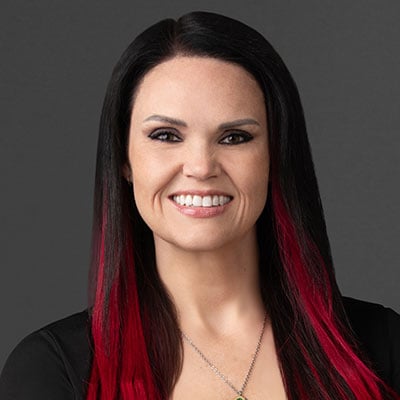
In episode two of the Absolute Credit video series, Kirkland partners Lindsay Trapp and Jared Axelrod break down current dynamics in the CLO equity market, noting increased third-party equity activity at the warehouse stage, continued reliance on joint venture and multi-deal capital arrangements, and the growing importance of manager-originator structures amid evolving EU risk-retention rules. They highlight how regulatory shifts regarding the EU risk retention sole purpose test and seasoning requirements are shaping deal structures, as well as why EU compliance remains valuable for accessing global investors.
LT (00:10)
Hi, I'm Lindsay Trapp and welcome to the Kirkland & Ellis Absolute Credit Vlog. I am very excited today to be joined by my partner in the New York office, Jared Axelrod, who is a co-head of our Structured Capital & Insurance Solutions team with me. And today, as promised in our last episode, we are going to talk about many things that are affecting the current CLO equity market. So welcome, Jared.
JA (00:35)
Thank you, Lindsay. Glad to be here.
LT (00:38)
So I want to just kind of jump in a little bit with what are you seeing in the captive equity market or just generally selling out CUSIPs on the equity these days in both BSL and to an extent in the middle-market space as well.
JA (00:53)
Yeah, we're actually seeing an uptick in third-party equity in the market these days, mostly in the warehouse stage. We haven't seen too many deals go out to do a CLO takeout. I think that's probably driven by the fact that the ARB in the market isn't great yet. It seems that people are trying to position themselves to be able to take advantage of either an increase in the ARB or drop in asset prices to build par and increase the economics.
LT (01:24)
But in sort of sources, obviously, I do a lot of captive equity funds, which we are seeing, of course, folks still looking to raise those. But I guess other sources are you seeing like JVs, individual deals, maybe groupings of kind of, you know, “we'll do deals for three or four of your next CLOs.” Is that stuff kind of still going on in the background as well?
JA (01:50)
Yeah, I think more times than not, we’re seeing either some joint venture agreement or an agreement to commit capital for X amount of deals with the benefit of getting things like management fee rebates or certain rights that otherwise wouldn't be available to the equity provider. Rarely have I been seeing over the past year or so is third-party equity coming into CLOs without some sort of arrangement like that.
LT (02:21)
I think that's it's a tough market sometimes to raise in. Switching a little bit to our favorite friend: regulation. The European Union has added a few, let's say, wrinkles to the market this year, both with the sole purpose test and then the conditional sale discussions that happened in the beginning of August. So I've heard, since I'm here in our London office, some discussions about developments maybe on the EU front about the conditional sale arrangements. Do you have any background on that?
JA (02:56)
Yeah, I mean, this summer was a lot of fun with those surprises that we got from the EU regulators. The announcements came unexpectedly. The market, I think, was caught off guard with each of them, most recent being the focus on conditional sale agreements and how they frankly don't work for purposes of the seasoning requirements under EU risk retention. I think there's been some time to really digest what the regulators have said and what the various options are to move forward for purposes of making new deals compliant, but also for making prior deals compliant. We saw a lot of focus early on on whether or not a forward sale arrangement triggers U.S. risk retention. And we've seen some analysis from some firms where they take a view that some sort of de minimis exception applies, really haven't been able to truly understand what, how they got there on that. But I do think there is a path forward with a close reading of the rule and the LSTA decision, such that one could get comfortable that a forward sale arrangement doesn't trigger U.S. risk retention. The alternative being a forward novation agreement, which we've seen a handful of managers utilize. Definitely a minority view, but we also think that that is a viable path forward as well.
LT (04:27)
Yeah, so those arrangements tend to be used quite a lot in either third-party originator or more commonly now, particularly since the sole purpose test clarification, we'll call it, came through. We're seeing a lot of movement towards manager originator structures. Certainly that's something you and I work a lot on together and have had lots of folks getting into this space with manager originator structures or altering their original third-party originator structures now to be more of the series limited partnership structures. So, I guess sort of in that vein, what are you seeing with regard to managers and their thoughts on using those third-party origination structures or the manager originators to help them to comply with risk retention?
JA (05:17)
Yeah, so I mean, even before the guidance over the summer, the more commonly used structure, as you all know, is the manager originator. There are a handful of participants in the market that use, at least in the U.S., third-party originator, but it's definitely the minority approach. And I think it's going to continue to be that way. So we're seeing new managers start to launch platforms. Many times they'll seek to comply with EU risk retention.
It's been said for several years now that having the ability to market to European investors does impact pricing. I think there's a split view as to whether or not that's actually true, whether or not there's any evidence to that. That said, anecdotally, we're seeing a lot of managers who have the capacity to comply with EU risk retention are comfortable taking on the incremental risks and costs associated with it because of the perceived or actual better execution costs.
LT (06:17)
I certainly think in this context, you know, from the funds lawyer side of the world, having that ability makes the fund more marketable as well. If you have a captive equity fund, certainly it allows a broader base of investors to come into the structure because then you can either have every deal be compliant or structure in a way that would allow exposure for those who require compliance into those. I think it also just opens up the market even beyond European investors and funds or European note holders in the CLOs, also to Japanese investors who I believe also prefer to have the EU stamp of approval on the risk retention side as well. So I think there's lots of opportunities there.
Last question for you on the sole purpose test: What have you been seeing with regards to folks both dealing with taking vertical strips, possibly financing those strips, and some of the considerations around holding a vertical? Does that give you more freed-up, unencumbered equity, we'll call it for the sole purpose test that can count towards the good assets? Is that something that people are making more use of these days?
JA (07:35)
Yeah, actually, we're seeing a lot of instances where a manager will take a vertical slice, get retention financing, and also take a majority of the equity, with the result being you have increased cash flows that are, quote unquote, good income for purposes of the sole purpose test. We also, as you know, are seeing structures where they have a catch-all bucket in the manager originator structure where they could deploy capital for non-EU risk retention, interests, loans, bonds, whatever to produce income that is again going to be used for the sole purpose test.
LT (08:17)
Yeah, absolutely. Seeing an increase in the size of those buckets as well, market was generally 20%, but certainly seeing some of those creep up a little bit to allow some extra bits and pieces to go in there. I think also just the flexibility of these structures, when they're using a series limited partnership structure, you can add additional series. So, if you have someone who just wants to take equity, you know, in, let's say, U.S. compliant only CLOs or other assets, you can have a series that doesn't really relate to the risk retention purposes, but having that additional income coming into the structure overall can help with meeting the sole purpose test. So, I think that flexibility has driven a lot of managers into this space and having one of these structures in place. So, you know, keeping us busy for sure.
JA (09:09)
Yeah, for sure. And it could be quite meaningful. You know, when the U.S. banks dropped out of the market in the spring of '22, all the way through, November of '23, beginning of '24, you could only really market to Japanese banks and European investors, and those who were equipped and positioned to be able to market to those investors were able to keep printing their deals. Those who couldn't sort of sat on the sidelines for two years.
LT (09:36)
Yeah, absolutely. Well, thank you very much for joining us. Wanted to just give folks a little bit of a flavor overall of what we're seeing in the equity market for CLOs right now. And thank you for joining us. We are very happy to help if you have any questions on CLOs, captive equity funds, or manager originator structures. And we will see you in our next episode.
LT (00:10)
Hi, I'm Lindsay Trapp and welcome to the Kirkland & Ellis Absolute Credit Vlog. I am very excited today to be joined by my partner in the New York office, Jared Axelrod, who is a co-head of our Structured Capital & Insurance Solutions team with me. And today, as promised in our last episode, we are going to talk about many things that are affecting the current CLO equity market. So welcome, Jared.
JA (00:35)
Thank you, Lindsay. Glad to be here.
LT (00:38)
So I want to just kind of jump in a little bit with what are you seeing in the captive equity market or just generally selling out CUSIPs on the equity these days in both BSL and to an extent in the middle-market space as well.
JA (00:53)
Yeah, we're actually seeing an uptick in third-party equity in the market these days, mostly in the warehouse stage. We haven't seen too many deals go out to do a CLO takeout. I think that's probably driven by the fact that the ARB in the market isn't great yet. It seems that people are trying to position themselves to be able to take advantage of either an increase in the ARB or drop in asset prices to build par and increase the economics.
LT (01:24)
But in sort of sources, obviously, I do a lot of captive equity funds, which we are seeing, of course, folks still looking to raise those. But I guess other sources are you seeing like JVs, individual deals, maybe groupings of kind of, you know, “we'll do deals for three or four of your next CLOs.” Is that stuff kind of still going on in the background as well?
JA (01:50)
Yeah, I think more times than not, we’re seeing either some joint venture agreement or an agreement to commit capital for X amount of deals with the benefit of getting things like management fee rebates or certain rights that otherwise wouldn't be available to the equity provider. Rarely have I been seeing over the past year or so is third-party equity coming into CLOs without some sort of arrangement like that.
LT (02:21)
I think that's it's a tough market sometimes to raise in. Switching a little bit to our favorite friend: regulation. The European Union has added a few, let's say, wrinkles to the market this year, both with the sole purpose test and then the conditional sale discussions that happened in the beginning of August. So I've heard, since I'm here in our London office, some discussions about developments maybe on the EU front about the conditional sale arrangements. Do you have any background on that?
JA (02:56)
Yeah, I mean, this summer was a lot of fun with those surprises that we got from the EU regulators. The announcements came unexpectedly. The market, I think, was caught off guard with each of them, most recent being the focus on conditional sale agreements and how they frankly don't work for purposes of the seasoning requirements under EU risk retention. I think there's been some time to really digest what the regulators have said and what the various options are to move forward for purposes of making new deals compliant, but also for making prior deals compliant. We saw a lot of focus early on on whether or not a forward sale arrangement triggers U.S. risk retention. And we've seen some analysis from some firms where they take a view that some sort of de minimis exception applies, really haven't been able to truly understand what, how they got there on that. But I do think there is a path forward with a close reading of the rule and the LSTA decision, such that one could get comfortable that a forward sale arrangement doesn't trigger U.S. risk retention. The alternative being a forward novation agreement, which we've seen a handful of managers utilize. Definitely a minority view, but we also think that that is a viable path forward as well.
LT (04:27)
Yeah, so those arrangements tend to be used quite a lot in either third-party originator or more commonly now, particularly since the sole purpose test clarification, we'll call it, came through. We're seeing a lot of movement towards manager originator structures. Certainly that's something you and I work a lot on together and have had lots of folks getting into this space with manager originator structures or altering their original third-party originator structures now to be more of the series limited partnership structures. So, I guess sort of in that vein, what are you seeing with regard to managers and their thoughts on using those third-party origination structures or the manager originators to help them to comply with risk retention?
JA (05:17)
Yeah, so I mean, even before the guidance over the summer, the more commonly used structure, as you all know, is the manager originator. There are a handful of participants in the market that use, at least in the U.S., third-party originator, but it's definitely the minority approach. And I think it's going to continue to be that way. So we're seeing new managers start to launch platforms. Many times they'll seek to comply with EU risk retention.
It's been said for several years now that having the ability to market to European investors does impact pricing. I think there's a split view as to whether or not that's actually true, whether or not there's any evidence to that. That said, anecdotally, we're seeing a lot of managers who have the capacity to comply with EU risk retention are comfortable taking on the incremental risks and costs associated with it because of the perceived or actual better execution costs.
LT (06:17)
I certainly think in this context, you know, from the funds lawyer side of the world, having that ability makes the fund more marketable as well. If you have a captive equity fund, certainly it allows a broader base of investors to come into the structure because then you can either have every deal be compliant or structure in a way that would allow exposure for those who require compliance into those. I think it also just opens up the market even beyond European investors and funds or European note holders in the CLOs, also to Japanese investors who I believe also prefer to have the EU stamp of approval on the risk retention side as well. So I think there's lots of opportunities there.
Last question for you on the sole purpose test: What have you been seeing with regards to folks both dealing with taking vertical strips, possibly financing those strips, and some of the considerations around holding a vertical? Does that give you more freed-up, unencumbered equity, we'll call it for the sole purpose test that can count towards the good assets? Is that something that people are making more use of these days?
JA (07:35)
Yeah, actually, we're seeing a lot of instances where a manager will take a vertical slice, get retention financing, and also take a majority of the equity, with the result being you have increased cash flows that are, quote unquote, good income for purposes of the sole purpose test. We also, as you know, are seeing structures where they have a catch-all bucket in the manager originator structure where they could deploy capital for non-EU risk retention, interests, loans, bonds, whatever to produce income that is again going to be used for the sole purpose test.
LT (08:17)
Yeah, absolutely. Seeing an increase in the size of those buckets as well, market was generally 20%, but certainly seeing some of those creep up a little bit to allow some extra bits and pieces to go in there. I think also just the flexibility of these structures, when they're using a series limited partnership structure, you can add additional series. So, if you have someone who just wants to take equity, you know, in, let's say, U.S. compliant only CLOs or other assets, you can have a series that doesn't really relate to the risk retention purposes, but having that additional income coming into the structure overall can help with meeting the sole purpose test. So, I think that flexibility has driven a lot of managers into this space and having one of these structures in place. So, you know, keeping us busy for sure.
JA (09:09)
Yeah, for sure. And it could be quite meaningful. You know, when the U.S. banks dropped out of the market in the spring of '22, all the way through, November of '23, beginning of '24, you could only really market to Japanese banks and European investors, and those who were equipped and positioned to be able to market to those investors were able to keep printing their deals. Those who couldn't sort of sat on the sidelines for two years.
LT (09:36)
Yeah, absolutely. Well, thank you very much for joining us. Wanted to just give folks a little bit of a flavor overall of what we're seeing in the equity market for CLOs right now. And thank you for joining us. We are very happy to help if you have any questions on CLOs, captive equity funds, or manager originator structures. And we will see you in our next episode.