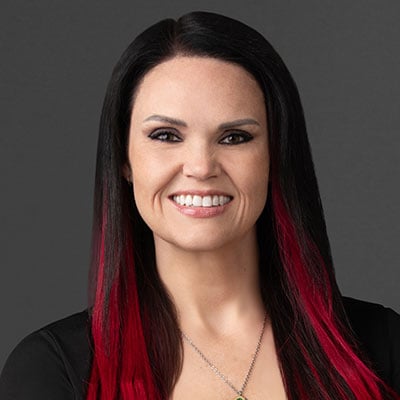
Absolute Credit Series: A Deep Dive Into an Even Deeper Pool: Swimming in Private Credit
In this episode of the Absolute Credit series, Kirkland partners Lindsay Trapp, Jason Kanner, H.T. Flanagan and Jared Axelrod explore the rapid growth and evolution of the private credit market and the increasingly interconnected world of private capital.
Their conversation examines:
- The rise of direct lending and capital solutions strategies and the shift from traditional bank financing to relationship-based private credit.
- Factors driving continued growth across asset classes.
- Lender dynamics, fund-level financing structures, and how private credit managers are adapting to an increasingly competitive and sophisticated market.
H.T. (00:00):
This goes back to the core of why our practice is so different than a lot of lender-side practices, because we don’t have this historical fundamentals of bank lending that informs our view of how loans are made. And that’s not to say that’s a bad thing. That’s obviously very helpful in a lot of contexts. But for a private credit manager, their world is all of this stuff that you’re talking about. And everything they’re doing is with an eye to: “What am I doing on the back end? What am I doing from an institutional perspective?”
JARED (00:28):
They want to optimize the whole family of different businesses, the different funds. They’re making the original loan in the first place, but then they want to move it to a fund where it does the securitization and then maybe they want to get access to insurance companies through a different entry point.
JASON (00:44):
And that’s also very different from a bank. A bank has a fundamentally different business. In the same way that the funds are looking it at a certain way, banks are looking at things a certain way too, but they’re also making home mortgages. It’s just totally different.
H.T. (01:00):
Right. Yeah. And I think that’s kind of, again, I think that’s what we’ve built our practice on here at Kirkland, which is this very, very explicit acknowledgement that actually just calling a practice a lender-side practice isn’t really appropriate for the modern finance world. And you really need to be more specific as to the type of clients that you’re representing. And so for us at Kirkland, it’s all about representing private capital when they are making loans. And that’s a very specific type of product. And candidly, it excludes certain types of products, but it allows us to be hyper-focused on the issues that …
JASON (01:36):
And it fits into our overall business, which is representing asset managers in every possible way from top to bottom.
(TITLE SCREEN)
LINDSAY TRAPP (01:51):
Good afternoon. I’m Lindsay Trapp and I’m a partner in the Kirkland & Ellis New York office, and this is Absolute Credit. Today, we’re very excited to be joined by many of my partners, Jared Axelrod, who many of you know from our other episodes in SCIS, and then our two partners from our private credit group, H.T. Flanagan and Jason Kanner. Nice to see you guys.
JASON KANNER (02:13):
Nice to see you too. Thanks for having us.
LINDSAY (02:15):
Welcome.
JARED AXELROD (02:16):
Yeah, it’s going to be fun.
H.T. FLANAGAN (02:18):
Or dangerous.
JARED (02:19):
Probably both.
LINDSAY (02:20):
It could be dangerous. Exactly. One of the things that I have found as we’re coming up on my year anniversary here at Kirkland is how many cool and amazing lawyers I get to meet and work with. And H.T. and I have recently gotten to do a lot of work together, which has been super fun. And I thought it would be so cool to talk about our amazing private credit group here on the podcast and we can go through a few different things. So give us some history. Not everybody thinks of Kirkland as private credit.
H.T. (02:50):
Yeah, I’m going to kick it to the old guy.
JASON (02:52):
Sure. Right. As the actual gray hair, I could take that one. I’m also, of the four of us, but of many people at Kirkland, I’m one of the longest serving partners here. So I can at least give you the benefit of 20 years of history at Kirkland. And we have been doing debt finance generally since the early ‘90s. And I joined in 2006, came over from another law firm to help start the finance group in the New York office. But at the time, really, Kirkland’s finance practice was a middle-market private equity finance practice exclusively representing borrowers. And I had a fair bit of history in my career at that point of representing lenders and borrowers, but really more on the lender side. And I got here with the intent of growing our borrower-side private equity practice, but also very quickly learned that one of the things we did not do was represent lenders basically at all.
I got here and some former clients called and said, “Hey, can you represent us on this?” And I went to go do it and got shut down completely, largely by our restructuring practice. And as many people know, we have the largest debtor-side restructuring practice in the world by far, and what they were afraid of was conflicts. And they didn’t want us to get conflicted out of any bankruptcy situations under any circumstances. The market has obviously changed dramatically since then. The Firm has changed dramatically since then, but for many years, we still didn’t really represent lenders, and that was both for the conflict reasons and for strategic reasons, for staffing reasons. We didn’t really have the bandwidth to do it, but when we would do it, we would do it specifically for our private equity clients in the circumstances where those PE funds, for whatever reason, were going to make a loan. And we have by far the largest finance practice in the world of any law firm. It’s not even close.
So anyway, as the clients grew and started providing more and more services, it became more and more obvious to us that an area where we could dramatically help our clients was by taking this massive body of borrower-side lending expertise, understanding what borrowers need, what their wants, desires and goals are, and moving over to the lending side. Because also as part of that borrower experience, you know what lenders care about, you know what they don’t care about, and you know what borrowers want. And so what we started thinking about was how we can help them. But coming at it from a slightly different angle, right? We are the most commercial law firm. We are the most commercial finance lawyers. And we would watch the lender lawyers on the other side and their whole thing was to say no.
So over time, we started developing a private credit practice. We’re not going to represent banks on large syndicated loans. It just doesn’t make sense for us to do. But the overlap of the clients has really created an opportunity for us where we can really be helpful in this space and have now over — we did this sort of on an ad hoc basis for years — and now over the last couple years, particularly hiring people like H.T. who specialize in lender-side work, we’ve taken this to a much more formalized level. We have a private credit group within our finance team, our finance team, which once upon a time we were just finance. Now the finance team is borrower-side LevFin, it’s direct lending, it’s liability management, it’s fund finance, it’s energy and infra, it’s complex securitizations. The whole finance group has grown tremendously. And the services that we offer, it’s the entire panoply of services anybody would ever want for finance.
H.T. (07:11):
So as Jason said, I have not been here 20 years. I also don’t have the gray hair, but I think I was probably the first hire that was really focused on coming in and growing our lender-side private credit practice. And totally transparently, when I was first told about this, I chuckled. I was like, it’s Kirkland & Ellis, that is the sponsor-side borrower law firm. But then as I talked to people and kind of looked at the platform, you recognize the things that Jason just mentioned, which is incredible amount of market knowledge, just given the deal flow that the practice has across all different types of products and situations. Really, really sophisticated restructuring and liability management support, which by the way, when you’re representing an asset manager as a lender, there are two things you really, really want to know. You want to know how am I going to win the deal? Because especially now where credits are very competitive, you want to know the things that maybe it’s okay to give on and the things that you want to actually hold strong on from a risk perspective. And also you want to know what are the things that are going to come back to potentially get me in hot water if things don’t go to plan? And the thing about this platform is we know better than anyone else those two areas. And so essentially the mission here was to take that intel, take that skillset that’s embedded within our practice generally, and train and grow a group that understood how to represent lenders and apply that same knowledge to deals and situations where we can be helpful. So what don’t we do? We don’t do designated. We’re not designated council, and we’re really candidly not playing in the mega unitranche space, but we’re really effective in middle-market direct lending, lower-middle-market direct lending. By the way, that is across sponsors. I feel like we have to say that 25 times because people still think we will not be across from private equity sponsors, but we will. We do a lot in the special sits, cap solutions space, hybrid capital. That is where I feel like this platform really shines because we can bring so many kind of specialists and expertise across different product lines. And we’re, contrary to maybe certain public perception, we’re actually an incredibly collaborative partnership, so it’s very easy to kind of get the best person in each type of situation to jump on basically any matter. And then we also do a decent amount, and this is something we probably will talk about in a bit, private credit is increasingly looking at non-sponsored opportunities, whether that’s family-owned businesses that have just grown very large over the last 10, 20 years, could be early growth-stage companies or candidly, even public companies are looking more and more to kind of the private credit markets, especially when they’re facing issues that are difficult for the broadly syndicated market to address. And so all of that was essentially stuff that when I was thinking about coming over here, I realized that this is an amazing platform to grow what I’m going to call like a modern lender-side practice. It’s very different than the traditional kind of bank-oriented lender-side practices. We’re not trying to be that, but that’s what’s exciting because I mean, talk about fundraising. I mean, private credit, AUM, it’s not a secret, has just exploded over the last decade. And we really do think this is the future of lending.
LINDSAY (10:25)
How did it grow? Actually, like private credit’s such a niche or was such a niche area. I remember when I started practicing obviously like two weeks ago. Definitely not 20 years ago. The private —
H.T. (10:41):
We’re just going to continuously go back to that.
LINDSAY (10:43):
Exactly. Definitely. Private credit was very small and very niche. And I’ve been lucky to do a lot of credit funds in my career, but that wasn’t really so much of a thing until I was at least a few years in to practice. So how has it grown? It’s such a huge portion of the market now. Well —
JARED (11:06):
All right. So if we could just take a step back. I keep hearing words, direct lending, private credit, middle market.
LINDSAY (11:12):
Cap solutions.
JARED (11:13):
Do they all mean the same thing? Are they different?
H.T. (11:15):
They’re all marketing buzzwords, but I think there is kind of an accepted delineation between these terms and what they mean. So I think private credit is really the umbrella term for any non-bank institution making a loan or an investment that has debt-like features. And then within that universe, there’s a lot of different products, but most of them can be categorized as either falling into traditional direct lending or capital solutions. With the differentiation between those two kind of worlds really being all about yield. And people will argue, but typically what I hear, and I think what most credit managers think about, is around 13% in terms of all-in yield. If a product is going to be under 13%, it’s probably in the direct lending universe. It’s more of a traditional middle-market loan to a sponsor-backed company, probably S + 400 to 600 in a relatively healthy scenario. Whereas in the cap solutions space, which is where you start getting a lot more hybrid products or loans into distressed or stressed companies, or you’re getting loans into geographies that are a little bit difficult to finance or a market or an industry that is difficult to finance, that’s where you start getting all-in yields above 13%.
JASON (12:30):
And I think it’s largely situational, right? H.T. kind of nailed it where the lower yielding loans that are made by traditional direct lenders are going to be in the leverage buyout situation, refinancings for operating companies that are healthy, growing, doing well. Once you get into the higher yielding instruments, there’s a reason for that. So it’s like the things that H.T. just said where you’re going to be in a situation that is complicated, could be distressed, could be at a level of the capital structure that requires a higher rate of return. If you’re in a situation where you’re not lending directly to the assets, but you’re lending to a holding company, you need to be compensated for the risks that you’re taking. So that gets you into a different …
JARED (13:20):
And that 13%, is that something that you guys just made up or is it just market driven?
H.T. (13:23):
We actually …yeah, yeah.
JASON (13:26):
I mean, it’s a little bit made up, but it’s also looking at where rates are and yield that you can expect. It’s going to shift over time. Most of these things are floating rate loans. You see where it wasn’t 13% when LIBOR SOFR was at zero. But now it’s not. And everything has got a higher yield attached to it.
H.T. (13:49):
One historical point here that I think is important before we leave this topic is rewind the clock 10, 15 years ago, a credit asset manager was probably really only focused on one of those two verticals. They were either a traditional direct lender making middle-market loans or they were more of like an opportunistic, or you might have heard special sits or tactical ops kind of provider. Today, most credit funds are doing both. And they have strategies that are dedicated to both types of investments because the market has been hot, candidly, for all of these different products.
JASON (14:23):
And they need to retain the flexibility to move with the market and provide the liquidity to their clients that they need or the financing to the client that the clients need. And that can be all over the place. And it makes it a lot easier when you have the flexibility to do that.
H.T. (14:36):
And also I think with where rates have been, you’ve actually been interestingly seeing opportunistic funds finance traditional LBOs because some of these LBOs actually can hit their hurdle requirements, just given how interest rates have been over the last couple years. So it’s a dynamic market.
JARED (14:55):
Right. So it’s like how Kirkland used to be only sponsor-side, borrower-side practice.
H.T. (15:01):
Now we do everything.
JASON (15:03):
It’s exactly the same. We follow the clients, they follow us, I don’t know, chicken and egg. Who knows? The amount of money that has flown into the market is also largely an effect of what returns can we get? So when you’re talking about the returns that H.T.’s talking about and then people start looking at where are they going to put their money, all of a sudden, massive influx into private credit. And now there’s a couple trillion dollars.
H.T. (15:29):
I mean if you rewind the clock, 2015, there’s about $500 billion AUM dedicated to private credit. Again, which umbrella term talks about anything from traditional direct lending to kind of cap solutions, basically opportunistic or higher yielding instruments. Today, there’s almost $2 trillion of AUM. There’s projection in like two years for that to go to two and a half, three. It’s an exponentially increasing curve. Now there certainly this year has been a lot of noise on redemptions and pressures on private credit, but that is I think a little bit of a red herring if you look at kind of an actual long period of time, and you see how quickly and how large this kind of product has grown in the market. And there’s also, not to throw Jason back a little bit on his age, but I think there’s also like a historical component to this related to the GFC regulations coming out of that.
JASON (16:29):
Well and interesting, I mean, private credits existed for an incredibly long time. It wasn’t called that back in the day. When I started my career, you would do a typical middle-market leverage buyout would involve getting a loan from a bank. And then to the extent you needed junior capital, you’d layer on a mezz loan. And there were these mezz funds. The mezz funds, the old mezz funds, have all rebranded themselves as direct lenders doing private credit because it’s really what they are. And it was the same. It was insurance companies, and it was other private pools of capital. Fundamentally, all this is, it’s no different than private equity. It’s just taking money from one place, investing it, giving it to an asset manager, and then they look to divide it up into various strategies. And sometimes it’s equity investments, sometimes it’s lending, sometimes it’s all sorts of novel strategies all the way down to loan-to-own situations, distressed situations. That’s where getting back into the capital solutions.
H.T. (17:31):
Yeah. Why do you make the yield? It’s that the company’s distressed, company’s in a tough geography, company’s in an industry that’s difficult to finance right now.
JASON (17:39):
People got over that fairly quickly. And then what they realized was, okay, so if I’m going to get a commitment from a bank, I’m taking syndication risk. They’re telling me that the headline interest rate is X, but they have the ability to flex me up 300 basis points, half of which can be OID. It can really change. So you’re running a model of, well, in my best-case scenario, it looks like this. In my worst-case scenario, it looks really bad. The private credit lender showed up and said, “We’re going to hold the loan.” So here, here’s your economics. These are the terms. These are the terms. We negotiated terms. You don’t have to worry about this changing. The other thing that made a huge difference was speed of execution. On a bank loan process, you need six weeks, longer sometimes. You know, and during that time, anything can happen. You start on day one, and everything is great. And two months later COVID hits or AOL buys Time Warner, and the market collapses. Things happen. Whereas your private credit lender, this is it. And they can move quickly.
H.T. (18:48):
Which is an advantage for a buyer versus a seller.
JASON (18:51):
When you’re going to tell the buyer like, “Hey, actually I can’t close for two months because we got to run the syndication process. And we need you to participate in the syndication process, and you’re going to have to get your management team distracted while they’re doing this because they have to go on a roadshow.” Private credit lenders, they don’t need that. They do all their diligence upfront. They know what they’re getting. They sign papers and 30 days later, the deal closes. And that’s it.
H.T. (19:15):
And I think there’s something. So that’s like the process to win the financing and get the deal done. I think the other reason that sponsors and companies have become more attracted to the private credit markets over the last decade is you’re also taking this product out of a liquid market and making it into, as you said, a hold investment. And so what does that mean? That sounds very complicated. What’s the impact of that? What that means is that there aren’t people buying in and out of this debt like it’s a security — and again, full disclosure, loans are not securities. Otherwise, we’d have to all change our practice, and we’d have to learn securities laws, which would not be fun. Our cap markets people can do that. But what that means is that if a company’s performance declines, you’re going to start in the syndicated world, you’re going to start having all these funds buying in at a much lower basis than par value, which means their incentive structure is going to be much different than the original par holder in terms of what they want to recover. And maybe in order for them to recover their basis and earn a little bit of money, actually taking the keys or filing for bankruptcy makes a lot of sense for them and not waiting. Whereas a par holder is more incentivized to give the company more time, give it a chance to recover and actually retain full par value. Most private credit lenders are par holders. And so therefore how a private credit loan on the lender side will act in a distressed scenario could be very different than how a collection of CLOs or syndicate members are going to behave if a company goes distressed. It goes back to that relationship point.
JASON (20:55):
Well, in a lot of ways it’s sort of comes full circle. So when I started my career a hundred years ago, the way that bank lending worked was it really was banks. It was a bunch of banks…
H.T. (21:07)
Banks actually lent money.
JASON (21:10):
Lending money, yeah. And when you would negotiate your credit agreement with the bank, you’d ask, we want to put in X. And they would say, “Guys, we’re not going to agree to that upfront, but when you want to go do that, just call us.”
H.T. (21:22):
The classic “trust us.”
JASON (21:24):
Right, and now it’s like we’ve come full circle around because on the bank loans, you’’re syndicating it out to a market that is impossible. So it’s much more, despite not being a security, it’s much more like a bond deal, and it’s much more like bonds. And traditionally bonds, the whole thing with bonds was they had to have incredibly loose covenants because it was impossible to get an amendment. And that’s sort of where the bank market is now for syndicated loans versus the private credit lenders who are going to be more strict on covenants. But that’s okay because you actually can call two of the three lenders, three of the three lenders in your deal, and have a conversation with them. It’s all very relationship-y now. It’s not just this company, they’ve invested in 24 of your portfolio companies.
JARED (22:13):
Right. And they’re aligned, to your point earlier. They want these same outcomes.
H.T. (22:17):
So on Friday I closed an add-on acquisition sponsor, two-handed deal, two private credit lenders that we’re representing. The initial deal, we had all of these fights about certain add-backs. We were like, this company is not mature enough for these add-backs, and you’re not mature enough for this type of acquisition capacity. Lo and behold, company performed, sponsor did what it said it was going to do. Came to the lenders, said, “I have an amazing transformative acquisition ahead of me. It’s going to exceed all my basket capacity. It’s not going to hit any of the leverage ratios, but here’s the business case. Here’s why it makes sense. And oh, by the way, here’s the track record of what we’ve done since we bought the company.” Two lenders went to investment committee, got it approved very quickly. And then we negotiated a very quick amendment to provide incremental capital, closed the deal. That’s simply not, I don’t want to say it’s impossible in the syndicated market, but that’s a really hard thing to do in the syndicated market.
JARED (23:09):
Now why is that? Is that because CLOs own the paper and the docs don’t …? There’s a lot more flexibility in CLO docs and I think the …
JASON (23:20):
We know that. We know that because of you. But we are constantly being told in these situations that …
H.T. (23:28):
Can’t take PIK.
JASON (23:29):
Right. They can’t take any PIK, and they can’t extend the maturity, because the fund life is …
H.T. (23:34):
And on the LME side, they can’t take equity. Right.
LINDSAY (23:38):
CLOs, yes.
JARED (23:39):
So I could tell you, you absolutely can do every single one of those things.
H.T. (23:43):
You can take equity?
JARED (23:44):
Yeah, absolutely. Take back equity. Absolutely. I mean, they have to be …
JASON (23:46):
Fundamentally, they have to be able to.
H.T. (23:49):
We have some people we should call.
JARED (23:51):
No, you don’t have to get rid of it. You don’t have to get rid of it. That language is gone. It used to be the case that the CLO had to sell the equity security promptly without regard to price. That language does not exist, at least any of the deals I work on.
H.T. (24:04):
It makes no economic sense.
JARED (24:05):
The only thing would be if it’s margin stock and that’s a regulatory thing.
JASON (24:10):
Very rarely are you going to wind up with margin stock.
JARED (24:12):
So now you could take back reorg equity, hold onto it till it makes sense to sell in maybe eight months, maybe two years, maybe three years, and then you get the returns, the recoveries that you want.
JASON (24:23):
But to give you another example, I’m working on two deals, same sponsor of similar size, and we’re trying to get maturity extensions. One of them is with a private credit lender who holds the whole thing, and we did the maturity extension in about four days. You call them —
H.T. (24:37):
Yeah, because you just changed the date.
JASON (24:38):
They changed the date, and they go to investment committee, they look at a bunch of information. They said, “Great. Okay, we’ll extend you, whatever.” The syndicated loan side …
H.T. (24:46):
Oh my God.
JASON (24:48):
I mean, a maturity extension is an all-lender vote. So now we get a hundred —
H.T. (24:55):
Or you have to use the extension mechanics of a credit agreement. And then there’s the very prescriptive, annoying process.
JASON (24:57):
Right. We’re finding … there’s a bank willing to backstop some of it and a couple banks getting together to put in some new money to extend it. But it’s really, you don’t want to advertise that necessarily because you don’t want everybody trying to get out of it.
H.T. (25:13):
And by the way, this is a competitive market. So while yes, I think for the last 10 years, private credit is making tons of gains, especially into the BSL market. The banks aren’t just sitting there going like, “Oh, well, I guess this is the way the world is.” I mean, you hear a lot from banks, it’s back to lending.
JASON (25:29):
Sure.
H.T. (25:30):
And they’re starting. I mean, Goldman has been doing balance sheet lending for forever. And I think you’re seeing banks increasingly essentially create an in-house private credit function.
JASON (25:39):
Well, and they’re teaming up on a number of different products where you can do these large loans and you have a couple banks pairing up with some of these private credit lenders and creating a ... I’ve seen more and more of these old-fashioned unitranche structures, which you don’t see very much anymore, where there is a tranching behind the scenes and an agreement among lenders, which we haven’t seen so much for the last few years. Yeah. But now we’re seeing them again, and the banks are holding the first-out piece and the …
H.T. (26:09):
Do you think our associates know what an AAL is?
JASON (26:10):
No.
LINDSAY (26:12):
Full disclosure, that’s the first time I met you. We were on a call and they just were kind of chatting about this very unique thing. And he’s like, “An AAL, an AAL.” I Teams messaged Kate, who was on the other, and I was like —
JASON (26:29):
What’s an AAL?
LINDSAY (26:30):
What the hell is AAL?
H.T. (26:31):
And who knows how to do it?
LINDSAY (26:32):
I was like, “What is this?” And she was like, “Oh yes. Very old school documents.” And I was like, “Oh, okay.” It’s an intercreditor. Exactly. That I get.
H.T. (26:42):
This is a Kirkland PSA. We have somebody who knows everything. And by the way, for everyone who’s listening, this was like 10:30 at night. I had never met Lindsay. And I just get this email. And Lindsay, your photo on the firm website has your, at the time, purple hair.
LINDSAY (26:58):
It’s bright red.
H.T. (26:59):
The bright red hair.
LINDSAY (27:00):
It always changes. I like to keep it fresh.
H.T. (27:01):
And I just see this email, as I’m working on a real intercreditor, pop up from you. “You don’t know me, but I hear you know what an AAL is, and we have an emergency. Can you get on the phone right now?”
JARED (27:15):
Amazing.
H.T. (27:16):
And now we’re on this podcast.
LINDSAY (27:17):
Exactly. See, this is how it goes. We’ve had other weird emergency emails as well.
H.T. (27:24):
It is interesting because I do think the AALs are becoming more and more popular because going back, let’s take this full circle, going back to kind of the direct lending cap solutions differentiation. Increasingly, credit funds are becoming very, very, very focused on making sure that they’re allocating capital in an efficient manner between the two. And so what I am seeing is a lot more, even in a single deal, a credit fund essentially entering into an AAL almost with itself to essentially tranche out its own deal so that it could theoretically sell pieces, keep a higher yielding piece of paper and then offload.
JASON (28:02):
I mean, there’s all sorts of stuff going on behind the scenes. At the front end of a loan, especially on the borrower side, there’s all sorts of things going on in the background relating to risk that the borrower isn’t aware of and doesn’t need to be aware of. And obviously there’s the situations with the agreement among lenders, but now there’s all sorts of derivatives transactions going on in the background with synthetic risk transfers to offload risk, total return swaps.
H.T. (28:36):
We could go down how all of those provisions and credit agreements are totally broken, and there’s a lot of LM risks in the swap provisions, the participation provisions.
JASON (28:45):
Yeah. The participation portion of it is really interesting, right? Because those provisions have been in credit agreements forever, right? They even predate me.
LINDSAY (28:59):
So they were chiseled?
JASON (29:00):
Yes, they were in stone tablets. We find them in clay tablets.
H.T. (29:06):
With hieroglyphics?
JASON (29:09):
Yes. And there was no consent to participations back then, because the banks needed to be able to offload their risk. And that was back in the day. And I’m sure banks are still doing this, but that was when they would offshore their risk into various securitization vehicles, and they just needed to be able to move —
H.T. (29:29):
The exposure easily and quietly.
JASON (29:30):
Right. Yeah. Over time, those participation rights that lenders have, have become more of a problem for borrowers because they’re not being used for the reasons they originally intended to. They’re being used often to sell the loans without actually selling the loans to distressed lenders and people that the borrower otherwise wouldn’t necessarily want in their deals. So there’s a lot of tension and fighting over those provisions. But to your point about how they don’t really work, even if you were to put in the document that you get a consent right to participations, it doesn’t matter because there’s other ways to offload that risk — through total return swaps, through these synthetic risk transfers that nobody understands other than … these guys probably do some of our complex securitization. A plug for Darren Littlejohn, if you have a really complicated securitization swap situation, derivatives transaction, call him. He’s great.
LINDSAY (30:31):
But it is actually an interesting thing because all of this stuff is basically just the circle of life of a loan. So I started my life as a private credit funds lawyer and like you made a weird shift somewhere in the middle and now I do private credit funds plus all of the rated structures in it. But we look at ourselves as both financing and fundraising lawyers. And so we are getting the money from these people kind of up at the top, but somehow it all filters its way down through the funds that we do and all of these things into the loans. And then those then get broken out and syndicated. So they become our BSL CLOs or they become middle-market CLOs or other things we might do, a leverage rated issuer underneath to replace. And then there’s NAV financing and all these things. So for your guys’ part, I think some of those things are super important. Participations are weirdly important for stuff that we do. And people might not think about it too much, but we need the ability in some of our structures, particularly evergreen master funds, an ability at a certain point to possibly need to participate out a loan because of a failsafe that we need for ratings. So those things are actually wildly circular.
JASON (32:00):
I think what you’re showing everybody right now is what we were talking about in the beginning of why Kirkland is the best at this. Because we have all of this. We know the lending side. We know what the lenders want. We know how to protect them, but it goes way beyond that because we have the body of knowledge of how all of this works from top to bottom in ways that other law firms just don’t.
JARED (32:23):
And we all communicate. We don’t stay in our own little silos.
JASON (32:26):
We do podcasts.
JARED (32:27):
Right.
LINDSAY (32:28):
I mean, H.T. taught me about very interesting things that have happened previously in credit markets that I maybe had heard about or something, but things where you can move assets or move IP or something like that, liability management. And so that is one thing that I actually really find interesting about your practice is how much there has been in that practice. And I know there’s been some recent things, was it Xerox and Better Health?
H.T. (32:53):
And it’s interesting because one of the things we do is our, as Jason said, we have a dedicated private credit team. But one of the things that our private credit team does is also company-side liability management, which for any viewer out here that just took a pause and had a slight heart attack, that’s actually a benefit because what it means is that everyone working on our credit-side transactions knows exactly how to do all of the alchemy that is company-side LMEs. They’ve seen dropdowns, they’ve seen uptiers, but they’ve also done them, and they’ve done them from the company side. And taking your question of this kind of alchemy in the market, it’s simply just a continuation of the private capital universe of investors in different parts of the capital structure exercising various levers that are available to them to maximize the return to their investors. And it goes to what is the flexibility in these documents that they can utilize in order to obtain the best outcome for their specific spot in a capital structure. And people can debate whether that’s good for the market, bad for the market, et cetera, but the reality is it is the market today.
JASON (34:04):
Right. And keep in mind, as you said, we do a lot of borrower-side liability management transactions, but we also do lender-side liability management transactions, particularly for new money coming into a situation. I think there’s a bit of a sort of adverse reaction by a lot of market participants to the liability management transactions when they just hear it. And you’ve always get the comments that you’re getting on loan documents is always protect us, protect us, protect us.
H.T. (34:34):
I love that comment. There’s also an ability for these lenders to step up proactively, call the sponsor and say, “There’s a problem. Let’s figure this out.” Rather than. And that’s something I encourage the clients I work with all the time. When a name gets a hiccup, I’m like, first thing you need to do is pick up the phone, call the sponsor and be like, “What are we doing about this?” Because the best defense against a liability management or a transaction that is adverse to you is to be in the know and be proactive. And again, this goes back to what we were talking about. The syndicated markets just structurally are not set up that way because they’re much more of a liquid, diverse hold people buying in and out of. Whereas this is really relationship lending. And so there is a person at the sponsor that somebody from the private credit fund can call and say, “How are we going to tackle this? Do I need to be thinking about reserving new capital to get us over this hump? Do we have a liquidity concern? Are you putting more money in? How are we going to negotiate covenant relief or PIK?” There’s all these tools that essentially can avail themselves in the private credit market such that a credit doesn’t get to the stage of needing to do an LME.
LINDSAY (35:42):
Yeah. And I think those parts to the loans and the unique things that can be in them, it’s… I don’t know. When I train associates as to kind of funds and sort of the difference between private equity funds and private credit funds, right? There’s obviously the baseline that one is debt and one is equity, but …
JARED (36:01):
Well, it’s in the name …
LINDSAY (36:03):
I mean … hey, as you go ...
JASON (36:05):
That’s also why we have a hybrid capital group, as well.
LINDSAY (36:08):
Oh, we’ve got those too. We’ve got those too. But we have to start with the separated ones. But I always think of it as PE is very much as well kind of a relationship. They’re buying a company, they’re working on it, they’re going with management, trying to kind of fix it. Debt is very similar in that way in a lot of private credit funds, not all. But most of them, the idea is we aren’t taking the equity stake, but we’re still here to help you grow your company, manage your company, do this stuff.
JASON (36:42):
And they own a very significant portion of the capital structure.
LINDSAY (36:44):
Yeah, they do. Absolutely.
H.T. (36:46):
Most of the private credit clients I work with refer to their investments as portfolio companies. Which is the exact same term of art that the equity sponsor uses. You’re never going to hear a bank or a CLO talk about a portfolio company. It’s a credit investment.
JASON (36:59):
No, I got a call from a private credit client the other day who, and the terminology that they use is we’re thinking of making an investment in this business. And it threw me off for a second because I was like, wait, you’re a debt … I was like, oh right, that’s what you call your debt investments. I get it.
JARED (37:13):
And in CLOs, there’s actually some, but not all deals have a restriction on that particular CLO of holding a loan where there’s a relationship between the collateral manager and the sponsor of the underlying borrower. But it almost seems like to have that sort of alignment of interest would be a good thing for the CLO, not necessarily a bad thing.
H.T. (37:35):
Yeah. And also I think you’re seeing obviously the increasing diversification of asset managers, willingness to play in all types of different capital structures and securities. Everything is blending together. And I think that’s fundamentally good for the market because it allows for more efficient capital allocation.
JASON (37:49):
Yeah. And again, back to the whole, there’s so much money out there flying around that people are looking for new ways to deploy capital.
LINDSAY (37:56):
Yeah, for sure. And what we’re seeing is a lot of, originally the types of deals that Jared and I work on, CLOs obviously are still going to be loans. But in our CFOs and our rated funds, we’re seeing a lot of different types of credit as well. You’ve got infrastructure credit and real estate credit and that kind of stuff coming in as well. So I think that sort of relationship and how that’s working. And then even some of the funds that we work on have themselves become, I’m not going to call them replacements for banks, but in some ways doing subscription facilities, their NAV loan funds, and we’re putting back leverage on that up at the top, doing that kind of structure.
H.T. (38:41):
I think of the infra and data center… so shout out Mary Kogut who’s built an absolutely amazing practice in this specific vertical. And it’s such a massive user of capital that if you ask Mary, “Are you a borrower- or are you a lender-side lawyer?” She’s just going to be like, “I get capital into projects regardless of what form it takes or what side.”
JASON (39:03):
Goes back to we’re all just finance lawyers.
H.T. (39:07):
But in these capital-intensive situations, you have to be willing to do that because you can’t just put this all in as a straight loan or straight equity. Right.
LINDSAY (39:15):
Yeah, for sure.
H.T. (39:16):
It’s funny actually, you’re like, we’re Kirkland. We’re going to put your face on. I actually had a client two weeks ago. I asked them, the market’s been very competitive in terms of putting money to work particularly in very healthy M&A situations. And this is a healthy sponsor process. And I asked the client like, “Hey, what do you think are your chances of winning?” Which for private credit clients, who’s your competition? Who are the other lenders that are competing for this financing? And then also there’s the layer of how confident are you that this sponsor’s going to actually win the bank?
JASON (39:46):
Sort of two levels of competition.
H.T. (39:47):
There’s two levels. And this client who actually lives in my neighborhood in Dallas, so we have shared interest, shared history, just goes, “Well, I only play to win.” And I was like, “That’s the most amazing tagline of all time.” But we laughed after he said that because it underlines how competitive actually the market has been because of how slow M&A activity has been. And what has that meant? That’s meant that going back again to what is private credit. Private credit has had to diversify into lots of different types of capital and opportunities because, candidly, the standard LBO markets just given the amount of dry powder in credit is not there. The M&A market is not there to deploy all that capital.
JASON (40:31):
Well, and there is actually a huge opportunity on that front right now, right? Because you had all these LBOs in 2021 when we all had nothing else to do during the pandemic.
JARED (40:44):
Except trade crypto and follow conspiracy theories online.
H.T. (40:49):
And learn about Michael Jordan.
LINDSAY (40:50):
Watching everything on Netflix.
JASON (40:52):
Tiger King.
JARED (40:54):
Tiger King. Tiger King. Exactly.
JASON (40:55):
That was the big one.
JARED (40:55):
That was a magic moment.
JASON (40:58):
And do massive LBOs over and over and over again. And here we are five years later. Interest rates didn’t really cooperate. And so now these companies are strapped with massive amounts of interest expense and coming up against a maturity wall where they have to refinance.
H.T. (41:15):
Oh, the famous maturity wall.
JARED (41:16):
Yeah. So what is that? Seven years off 2020?
JASON (41:20):
Seven years, but yeah, exactly. But also the revolvers mature after five. So that creates a problem. And then you’ve got a limited amount of time after that to do something.
H.T. (41:28):
Because it chokes liquidity.
JASON (41:29):
Yeah. And so a lot of sponsors are taking advantage of layering in a preferred or some type of holdco debt upstairs to take the pressure off the operating business and move. That way you can lower leverage right off the bat by doing some type of destructured solution.
H.T. (41:47):
Seen a lot of HoldCo PIK and pref that’s meant to finance a distribution because a sponsor can’t exit an investment on the timeline they thought they could.
JARED (41:56):
And so you’ve reduced the leverage by getting leverage elsewhere, using that capital to pay down ...
JASON (42:00):
You can take a turn or two of leverage off the business by moving it upstairs.
LINDSAY (42:05):
Which is where we come in.
JASON (42:06):
It becomes a much easier refinancing or maturity extension when the company was financed at six times and now all of a sudden it’s four and a half times after this transaction.
H.T. (42:18):
And by the way, going back to the initial thesis, this is good from a capital allocation efficiency perspective because what you’re taking is you have an equityholder who holds common equity securities and then you have a loan, so just a traditional debt holder. And the problem is that the investment hasn’t yet been successful enough to truly return capital to everyone in a natural way. But it has been successful to a degree such that this unlocks an ability for the equity sponsor to actually unlock some return and it doesn’t actually have to wait for a full M&A exit. And from the lender’s perspective, it de-risks the par.
JASON (42:57):
Which is also why we invented continuation funds.
JARED (43:02):
Yeah, which we’re seeing more and more lots of those.
JASON (43:04):
You seen them in credit, right? All the time now.
JARED (43:06):
Credit, CV, CLO, equity.
H.T. (43:09):
I have a deck I have to send to somebody.
JASON (43:11):
I know we’ve just done one of the, we just did one of the largest ones in the market that’s ever been done.
LINDSAY (43:17):
And now we have … check out the episode on the CVFO.
JASON (43:21):
We will also do your continuation fund for your private credit fund.
LINDSAY (43:27):
Exactly. So yeah, there’s …
H.T. (43:29):
You will?
JASON (43:30):
No, I won’t.
JARED (43:31):
He knows a guy.
H.T. (43:32):
I’m saying Mark.
LINDSAY (43:34):
And Sean Hill.
JASON (43:35):
I have a team. We have a team. We have a team for everything.
H.T. (43:39):
It’s actually pretty incredible.
JARED (43:40):
One team, one dream, guys.
LINDSAY (43:42):
Exactly. Yeah. But I mean, I think that it’s just been super interesting getting to know all of the stuff that you guys do, not just on this podcast, but actually. And seeing all of those dots connect and then how it sort of comes back around. And then the fund, we do rated feeders or we put the fund into a CFO or we do a CV and a CFO combination transaction so that all of this stuff keeps going. And that’s a different way of unlocking liquidity on just one portfolio company down the road.
JASON (44:13):
It sounds though we’re at the point where you’re just making up initials.
H.T. (44:16):
My name is initials.
JASON (44:17):
We did an HTF followed by JSK.
H.T. (44:22):
If I can get a rated feeder named after me, I think I can retire.
LINDSAY (44:27):
We’ll figure one out.
H.T. (44:30):
I do think though that it is very interesting from our… I know this is your guys’ podcast and you’ve been kind enough to ask us, but to ask you guys a question.
LINDSAY (44:41):
No, go for it.
H.T. (44:42):
One thing that fascinates me is we just do the OpCo financing. We’re just like, this is simple.
JASON (44:46):
We’re at the bottom of it.
H.T. (44:48):
We’re the bottom of it like, this is a company that employs people, and we’re making a loan to them.
JASON (44:53):
And they make widgets.
H.T. (44:55):
Yeah. Which always makes me crack up. People are like, “Oh, private credit sounds so fancy.” I’m like, “It’s really just making a loan to somebody. It’s not that sexy.” But what’s I think cool and maybe sexy is all of the stuff that happens behind the scenes and the layers of layers of layers. So that’s your guys’ world. Can you guys talk a little bit about that? Because I’m always fascinated like, “X fund makes a $200 million middle-market loan to a sponsor-backed portco,” but where does that loan go?
LINDSAY (45:25):
Yeah. I mean …
JARED (45:27):
So if we’re talking about a credit fund?
JASON (45:29):
There’s two parts to that, right? It’s like where does the money come from? Where does the loan go?
H.T. (45:32):
And that’s a good point.
LINDSAY (45:35):
And what are we using it for, right? So there’s a lot of different ways, and this is where it’s fun that Jared and I get to do both the CLO stuff and the fund stuff too.
JASON (45:47):
The HTF.
LINDSAY (45:48):
Exactly. The HTF. So I always find it interesting to see because starting out as a credit funds lawyer, so that fund, when I first started, would just go out and raise capital from investors across the panopoly of many things, right?
H.T. (46:07):
Panopoly. I’m going to use that.
JASON (46:08):
That’s a good one.
LINDSAY (46:09):
And that would come into the fund, and then the manager went out, they identified these very lovely widget companies, and they were like, “Okay, great. We’re going to be your besties now and we’re going to lend you some money and we’re going to help you and we’re going to have this great relationship.” And that was all the things. And then it started being, well, we’re going to lever those assets. And so then there was a lot of bank facilities that were coming into those ABLs traditionally, and that would kind of be in there and you would lever up that portfolio. And so you had some people …
H.T. (47:39):
With the asset being the…?
LINDSAY (46:40):
With the asset being the underlying portfolio companies, yeah. And in the ABLs, they were much tighter. So you would have specified assets that the bank had to sign off on being put in the box and, you know, all of those things.
JASON (46:50):
Presumably various advance rates.
LINDSAY (46:51):
Yes.
H.T. (46:52):
And then I get some annoying PDF at like the day before closing being like, “Oh, by the way, here’s 25 requirements that this loan has to have in order for us to make it qualify for whatever alchemy you have done.”
LINDSAY (47:06):
Yes, exactly that. But then markets started getting good on things like private credit CLOs. And so that is another form of leverage that gets used where we will put the portcos into, or those loans that you guys have been making, into a private credit CLO that the fund will then retain the equity in. And so that’s its method of leverage as well.
JARED (47:29):
Which is really just a very complicated financing sitting in an SPV that has efficient terms and great returns for the equity investor.
LINDSAY (47:39):
Yeah, exactly. Much less levered than a BSL CLO, but a really great way to do it for a fund.
JARED (47:47):
Right. So you’re talking about rather than maybe one turn of leverage for a NAV facility, it’s like three and a half, four turns of leverage.
LINDSAY (47:54):
Yeah. Whereas a BSL CLO is 10.
JARED (47:56):
10, 11 plus. So you could buy a $500 million portfolio. Depending on what the arb is, which these days it’s not great.
LINDSAY (48:05):
Yeah. I mean the CLO world, all of the things that Jared and I did in the beginnings of our careers were fed off of the stuff that you guys did, right? Yes. It was that piece. And then insurance companies and their capital efficiency issues coming into private funds, right? It made no sense because if they held all of those loans that you guys are working on, on their balance sheet, they would’ve had much better capital efficiency for their risk-based capital, their solvency capital. And so that is when people started looking at, well, what if the insurance companies made a loan to the fund instead of, or the fund issues in a note more accurately? Although we do sometimes do loans. What if they made a loan at least for part of it? And then that has developed over the last kind of call it eight to 10-ish years from a very basic set of “you’re going to be an insurance company that loans some money to the fund and takes the residual piece as well.” And those terms, you’re usually looking at like 80% LTV. You would do that, but then everything just kind of exploded in the last several years, particularly on the rated feeder side where we are separating out now … the equity is now getting leverage from insurance lenders. Not always, we still have some vertical strip sales, but you will definitely see this as like both a fund financing and a fundraising tool for all funds because insurers can then make loans. We’re getting those loans rated or the notes rated sometimes up to AA. Usually it taps out at about A, but that’s a way to also replace those ABLs that they might’ve had before. Or they might be in combinations. You might have like a very levered return on that equity. And then it’s spread out even more now because we have not just insurance companies, but pension plans. A lot of the funds that are doing those mez loans, they like the mez debt in what we do and that kind of stuff. And then CFOs have been another …
JARED (50:18):
Right. It’s just the next iteration of it. It’s really just like available capital that wants to deploy. To deploy in this space. And then we create the entry points, the way to get the capital.
JASON (50:29):
Right, somebody’s putting it at the operating company level. And again, it’s sort of a risk reward. And as you get further up, it’s just making loans.
JARED (50:37):
That’s essentially what it is.
JASON (50:39):
Different types of investments.
LINDSAY (50:42):
And it all comes back to that sort of original thing we were talking about where debt is great because it provides predictable, at least usually, returns. And that’s why it’s rateable in what we do. Now we do CFOs of pure private equity funds as well, as long as there’s time diversification. And we talk about that in a different episode. But there’s just a million ways to get financing in different ways.
H.T. (51:07):
It’s[NK1.1] interesting that you say this because I think, this goes back to the core of why our practice is so different than a lot of lender-side practices, because we don’t have this historical fundamentals of bank lending that informs our view of how loans are made. And that’s not to say that’s a bad thing. That’s obviously very helpful in a lot of contexts. But for a private credit manager, their world is all of this stuff that you’re talking about. And everything they’re doing is with an eye to: “What am I doing on the back end? What am I doing from an institutional perspective?”
JARED (51:37):
They want to optimize the whole family of different businesses, the different funds. They’re making the original loan in the first place, but then they want to move it to a fund where it does the securitization and then maybe they want to get access to insurance companies through a different entry point.
JASON (51:53):
And that’s also very different from a bank. A bank has a fundamentally different business. In the same way that the funds are looking it at a certain way, banks are looking at things a certain way too, but they’re also making home mortgages. It’s just totally different.
H.T. (52:09):
Right. Yeah. And I think that’s kind of, again, I think that’s what we’ve built our practice on here at Kirkland, which is this very, very explicit acknowledgement that actually just calling a practice a lender-side practice isn’t really appropriate for the modern finance world. And you really need to be more specific as to the type of clients that you’re representing. And so for us at Kirkland, it’s all about representing private capital when they are making loans. And that’s a very specific type of product. And candidly, it excludes certain types of products, but it allows us to be hyper-focused on the issues that —
JASON (52:45):
And it fits into our overall business, which is representing asset managers in every possible way from top to bottom.
LINDSAY (52:52):
I guess, where does that leave us today? H.T., you were the first hire in this practice. You’re obviously down in Dallas also. So, what is our practice?
H.T. (53:01):
Yes, exactly, 107 degrees.
LINDSAY (53:03):
So hence why you’re wearing a jacket up here.
H.T. (53:06):
It’s cold.
LINDSAY (53:07):
Exactly. But I guess where does the practice fit?
H.T. (53:10):
It’s interesting. When I was first approached about this opportunity, I laughed at the idea that, oh, Kirkland’s going to build a lender-side private credit practice. Obviously, as Jason said, we’ve been known for such a long time about our borrower-side strength. And candidly, we’ve done a lot on the restructuring side that has innovated that kind of debtor-side world. But then as I kind of unpacked the platform, you see an amazing amount of market intel given the breadth of our practice and an amazing amount of, kind of, understanding of what is the next wave of risk, whether it’s from a liability management perspective, a regulatory perspective, a fundraising perspective. And that is a really interesting combination that is differentiated in the market from other quote unquote lender-side shops that maybe had their origins more in a bank-oriented practice. The thing is, yes, Kirkland was primarily a borrower-side firm, but that’s really because it was primarily a private equity firm. And private equity has become private credit. Those terms have very much become synonymous with one other with the kind of proliferation and diversification of asset managers. And so what did that mean? It meant that this place is kind of the perfect platform to build a lender-side business that is focused exclusively on asset managers that are making loans.
JASON (54:32):
It’s really, it’s just private capital.
H.T. (54:34):
It’s really private capital.
JASON (54:35):
And how it gets deployed just varies from fund to fund and strategy to strategy. And we’re able to cover every element of how it’s going to get deployed.
H.T. (54:44):
And so what I typically sell to clients or what I tell clients makes us different than maybe your regular way kind of bank-oriented counsel is that we, one, know better than anyone else in the market what it is that a sponsor cares about. Why does that matter? Markets are very competitive right now. It’s very, very, very, very difficult to win a new LBO financing. And so understanding what are the things that the sponsor actually really cares about when they’re making a decision between different financing proposal has a tangible and real differentiated benefit to clients that we can provide because I can pick up the phone and call three of my sponsor-side partners and say, “Here’s the situation. What would you really care about here?” And then two, it comes to kind of the flip side of the coin of when things go poorly.
Rather than being reactive, we’re very proactive because we see so many situations on the debtor side or on the company side, whether it be liability management or traditional restructuring, that allows us to kind of see traps or holes before they actually hit a credit. And so we can address that at the origination stage rather than suddenly waking up three years later and going, “Oh, dang it. Why didn’t we think about if they did this and this and this, they could spin out this asset or they could raise senior financing in this manner.” And that’s not to say, and we joke about this because every client’s like, “you’ve got to close up all the liability management and every risk.” That’s really not possible. But our job is to at least highlight what are those risks? What are the things that are beyond, for example, the buzzwords of give me J. Crew protection, give me Serta protection, now give me Xerox protection, and highlight things that actually are real risks of if things go poorly, this is what somebody who’s representing the company is going to look at from a documentation perspective, explain to you the likelihood that that’s actually utilized and then allow you to make a business decision, an informed business decision, as to whether or not you’re adequately pricing that risk and willing to accept that as something that could happen down the line, or if it’s something you actually want to bring up and negotiate for. And at the end of the day, I think being informed about these things is a huge ... Again, these risks are inherent in the market. And so what we’re really talking about is understanding it and making sure that you are adequately addressing it in kind of your overall spectrum of a credit portfolio.
JASON (57:13):
And most importantly, the point you made earlier, we will help you win.
LINDSAY (57:18):
So this has been amazing. I’m so excited that I got to see you guys in person and that we were all here. Thank you for coming all the way from Texas.
H.T. (57:24):
Thanks for having me. It’s like 107 degrees, so this is not hard.
LINDSAY (57:29):
I hope you’re enjoying the much cooler weather. So that’ll be great. But yeah, look, I think next time we definitely want to talk about some of the cases that you guys are seeing and ways that people are kind of navigating all that stuff. And we will continue this absolutely wonderful partnership because it is absolute credit. It’s not just the stuff that we do. So let’s bring credit to the masses.
JASON (57:51):
Thank you very much for having us on, and we are happy to come back and talk about credit anytime.
LINDSAY (57:57):
All right. I love it. Thank you so much for joining us, and we look forward to seeing you at the next episode.
H.T. (00:00):
This goes back to the core of why our practice is so different than a lot of lender-side practices, because we don’t have this historical fundamentals of bank lending that informs our view of how loans are made. And that’s not to say that’s a bad thing. That’s obviously very helpful in a lot of contexts. But for a private credit manager, their world is all of this stuff that you’re talking about. And everything they’re doing is with an eye to: “What am I doing on the back end? What am I doing from an institutional perspective?”
JARED (00:28):
They want to optimize the whole family of different businesses, the different funds. They’re making the original loan in the first place, but then they want to move it to a fund where it does the securitization and then maybe they want to get access to insurance companies through a different entry point.
JASON (00:44):
And that’s also very different from a bank. A bank has a fundamentally different business. In the same way that the funds are looking it at a certain way, banks are looking at things a certain way too, but they’re also making home mortgages. It’s just totally different.
H.T. (01:00):
Right. Yeah. And I think that’s kind of, again, I think that’s what we’ve built our practice on here at Kirkland, which is this very, very explicit acknowledgement that actually just calling a practice a lender-side practice isn’t really appropriate for the modern finance world. And you really need to be more specific as to the type of clients that you’re representing. And so for us at Kirkland, it’s all about representing private capital when they are making loans. And that’s a very specific type of product. And candidly, it excludes certain types of products, but it allows us to be hyper-focused on the issues that …
JASON (01:36):
And it fits into our overall business, which is representing asset managers in every possible way from top to bottom.
(TITLE SCREEN)
LINDSAY TRAPP (01:51):
Good afternoon. I’m Lindsay Trapp and I’m a partner in the Kirkland & Ellis New York office, and this is Absolute Credit. Today, we’re very excited to be joined by many of my partners, Jared Axelrod, who many of you know from our other episodes in SCIS, and then our two partners from our private credit group, H.T. Flanagan and Jason Kanner. Nice to see you guys.
JASON KANNER (02:13):
Nice to see you too. Thanks for having us.
LINDSAY (02:15):
Welcome.
JARED AXELROD (02:16):
Yeah, it’s going to be fun.
H.T. FLANAGAN (02:18):
Or dangerous.
JARED (02:19):
Probably both.
LINDSAY (02:20):
It could be dangerous. Exactly. One of the things that I have found as we’re coming up on my year anniversary here at Kirkland is how many cool and amazing lawyers I get to meet and work with. And H.T. and I have recently gotten to do a lot of work together, which has been super fun. And I thought it would be so cool to talk about our amazing private credit group here on the podcast and we can go through a few different things. So give us some history. Not everybody thinks of Kirkland as private credit.
H.T. (02:50):
Yeah, I’m going to kick it to the old guy.
JASON (02:52):
Sure. Right. As the actual gray hair, I could take that one. I’m also, of the four of us, but of many people at Kirkland, I’m one of the longest serving partners here. So I can at least give you the benefit of 20 years of history at Kirkland. And we have been doing debt finance generally since the early ‘90s. And I joined in 2006, came over from another law firm to help start the finance group in the New York office. But at the time, really, Kirkland’s finance practice was a middle-market private equity finance practice exclusively representing borrowers. And I had a fair bit of history in my career at that point of representing lenders and borrowers, but really more on the lender side. And I got here with the intent of growing our borrower-side private equity practice, but also very quickly learned that one of the things we did not do was represent lenders basically at all.
I got here and some former clients called and said, “Hey, can you represent us on this?” And I went to go do it and got shut down completely, largely by our restructuring practice. And as many people know, we have the largest debtor-side restructuring practice in the world by far, and what they were afraid of was conflicts. And they didn’t want us to get conflicted out of any bankruptcy situations under any circumstances. The market has obviously changed dramatically since then. The Firm has changed dramatically since then, but for many years, we still didn’t really represent lenders, and that was both for the conflict reasons and for strategic reasons, for staffing reasons. We didn’t really have the bandwidth to do it, but when we would do it, we would do it specifically for our private equity clients in the circumstances where those PE funds, for whatever reason, were going to make a loan. And we have by far the largest finance practice in the world of any law firm. It’s not even close.
So anyway, as the clients grew and started providing more and more services, it became more and more obvious to us that an area where we could dramatically help our clients was by taking this massive body of borrower-side lending expertise, understanding what borrowers need, what their wants, desires and goals are, and moving over to the lending side. Because also as part of that borrower experience, you know what lenders care about, you know what they don’t care about, and you know what borrowers want. And so what we started thinking about was how we can help them. But coming at it from a slightly different angle, right? We are the most commercial law firm. We are the most commercial finance lawyers. And we would watch the lender lawyers on the other side and their whole thing was to say no.
So over time, we started developing a private credit practice. We’re not going to represent banks on large syndicated loans. It just doesn’t make sense for us to do. But the overlap of the clients has really created an opportunity for us where we can really be helpful in this space and have now over — we did this sort of on an ad hoc basis for years — and now over the last couple years, particularly hiring people like H.T. who specialize in lender-side work, we’ve taken this to a much more formalized level. We have a private credit group within our finance team, our finance team, which once upon a time we were just finance. Now the finance team is borrower-side LevFin, it’s direct lending, it’s liability management, it’s fund finance, it’s energy and infra, it’s complex securitizations. The whole finance group has grown tremendously. And the services that we offer, it’s the entire panoply of services anybody would ever want for finance.
H.T. (07:11):
So as Jason said, I have not been here 20 years. I also don’t have the gray hair, but I think I was probably the first hire that was really focused on coming in and growing our lender-side private credit practice. And totally transparently, when I was first told about this, I chuckled. I was like, it’s Kirkland & Ellis, that is the sponsor-side borrower law firm. But then as I talked to people and kind of looked at the platform, you recognize the things that Jason just mentioned, which is incredible amount of market knowledge, just given the deal flow that the practice has across all different types of products and situations. Really, really sophisticated restructuring and liability management support, which by the way, when you’re representing an asset manager as a lender, there are two things you really, really want to know. You want to know how am I going to win the deal? Because especially now where credits are very competitive, you want to know the things that maybe it’s okay to give on and the things that you want to actually hold strong on from a risk perspective. And also you want to know what are the things that are going to come back to potentially get me in hot water if things don’t go to plan? And the thing about this platform is we know better than anyone else those two areas. And so essentially the mission here was to take that intel, take that skillset that’s embedded within our practice generally, and train and grow a group that understood how to represent lenders and apply that same knowledge to deals and situations where we can be helpful. So what don’t we do? We don’t do designated. We’re not designated council, and we’re really candidly not playing in the mega unitranche space, but we’re really effective in middle-market direct lending, lower-middle-market direct lending. By the way, that is across sponsors. I feel like we have to say that 25 times because people still think we will not be across from private equity sponsors, but we will. We do a lot in the special sits, cap solutions space, hybrid capital. That is where I feel like this platform really shines because we can bring so many kind of specialists and expertise across different product lines. And we’re, contrary to maybe certain public perception, we’re actually an incredibly collaborative partnership, so it’s very easy to kind of get the best person in each type of situation to jump on basically any matter. And then we also do a decent amount, and this is something we probably will talk about in a bit, private credit is increasingly looking at non-sponsored opportunities, whether that’s family-owned businesses that have just grown very large over the last 10, 20 years, could be early growth-stage companies or candidly, even public companies are looking more and more to kind of the private credit markets, especially when they’re facing issues that are difficult for the broadly syndicated market to address. And so all of that was essentially stuff that when I was thinking about coming over here, I realized that this is an amazing platform to grow what I’m going to call like a modern lender-side practice. It’s very different than the traditional kind of bank-oriented lender-side practices. We’re not trying to be that, but that’s what’s exciting because I mean, talk about fundraising. I mean, private credit, AUM, it’s not a secret, has just exploded over the last decade. And we really do think this is the future of lending.
LINDSAY (10:25)
How did it grow? Actually, like private credit’s such a niche or was such a niche area. I remember when I started practicing obviously like two weeks ago. Definitely not 20 years ago. The private —
H.T. (10:41):
We’re just going to continuously go back to that.
LINDSAY (10:43):
Exactly. Definitely. Private credit was very small and very niche. And I’ve been lucky to do a lot of credit funds in my career, but that wasn’t really so much of a thing until I was at least a few years in to practice. So how has it grown? It’s such a huge portion of the market now. Well —
JARED (11:06):
All right. So if we could just take a step back. I keep hearing words, direct lending, private credit, middle market.
LINDSAY (11:12):
Cap solutions.
JARED (11:13):
Do they all mean the same thing? Are they different?
H.T. (11:15):
They’re all marketing buzzwords, but I think there is kind of an accepted delineation between these terms and what they mean. So I think private credit is really the umbrella term for any non-bank institution making a loan or an investment that has debt-like features. And then within that universe, there’s a lot of different products, but most of them can be categorized as either falling into traditional direct lending or capital solutions. With the differentiation between those two kind of worlds really being all about yield. And people will argue, but typically what I hear, and I think what most credit managers think about, is around 13% in terms of all-in yield. If a product is going to be under 13%, it’s probably in the direct lending universe. It’s more of a traditional middle-market loan to a sponsor-backed company, probably S + 400 to 600 in a relatively healthy scenario. Whereas in the cap solutions space, which is where you start getting a lot more hybrid products or loans into distressed or stressed companies, or you’re getting loans into geographies that are a little bit difficult to finance or a market or an industry that is difficult to finance, that’s where you start getting all-in yields above 13%.
JASON (12:30):
And I think it’s largely situational, right? H.T. kind of nailed it where the lower yielding loans that are made by traditional direct lenders are going to be in the leverage buyout situation, refinancings for operating companies that are healthy, growing, doing well. Once you get into the higher yielding instruments, there’s a reason for that. So it’s like the things that H.T. just said where you’re going to be in a situation that is complicated, could be distressed, could be at a level of the capital structure that requires a higher rate of return. If you’re in a situation where you’re not lending directly to the assets, but you’re lending to a holding company, you need to be compensated for the risks that you’re taking. So that gets you into a different …
JARED (13:20):
And that 13%, is that something that you guys just made up or is it just market driven?
H.T. (13:23):
We actually …yeah, yeah.
JASON (13:26):
I mean, it’s a little bit made up, but it’s also looking at where rates are and yield that you can expect. It’s going to shift over time. Most of these things are floating rate loans. You see where it wasn’t 13% when LIBOR SOFR was at zero. But now it’s not. And everything has got a higher yield attached to it.
H.T. (13:49):
One historical point here that I think is important before we leave this topic is rewind the clock 10, 15 years ago, a credit asset manager was probably really only focused on one of those two verticals. They were either a traditional direct lender making middle-market loans or they were more of like an opportunistic, or you might have heard special sits or tactical ops kind of provider. Today, most credit funds are doing both. And they have strategies that are dedicated to both types of investments because the market has been hot, candidly, for all of these different products.
JASON (14:23):
And they need to retain the flexibility to move with the market and provide the liquidity to their clients that they need or the financing to the client that the clients need. And that can be all over the place. And it makes it a lot easier when you have the flexibility to do that.
H.T. (14:36):
And also I think with where rates have been, you’ve actually been interestingly seeing opportunistic funds finance traditional LBOs because some of these LBOs actually can hit their hurdle requirements, just given how interest rates have been over the last couple years. So it’s a dynamic market.
JARED (14:55):
Right. So it’s like how Kirkland used to be only sponsor-side, borrower-side practice.
H.T. (15:01):
Now we do everything.
JASON (15:03):
It’s exactly the same. We follow the clients, they follow us, I don’t know, chicken and egg. Who knows? The amount of money that has flown into the market is also largely an effect of what returns can we get? So when you’re talking about the returns that H.T.’s talking about and then people start looking at where are they going to put their money, all of a sudden, massive influx into private credit. And now there’s a couple trillion dollars.
H.T. (15:29):
I mean if you rewind the clock, 2015, there’s about $500 billion AUM dedicated to private credit. Again, which umbrella term talks about anything from traditional direct lending to kind of cap solutions, basically opportunistic or higher yielding instruments. Today, there’s almost $2 trillion of AUM. There’s projection in like two years for that to go to two and a half, three. It’s an exponentially increasing curve. Now there certainly this year has been a lot of noise on redemptions and pressures on private credit, but that is I think a little bit of a red herring if you look at kind of an actual long period of time, and you see how quickly and how large this kind of product has grown in the market. And there’s also, not to throw Jason back a little bit on his age, but I think there’s also like a historical component to this related to the GFC regulations coming out of that.
JASON (16:29):
Well and interesting, I mean, private credits existed for an incredibly long time. It wasn’t called that back in the day. When I started my career, you would do a typical middle-market leverage buyout would involve getting a loan from a bank. And then to the extent you needed junior capital, you’d layer on a mezz loan. And there were these mezz funds. The mezz funds, the old mezz funds, have all rebranded themselves as direct lenders doing private credit because it’s really what they are. And it was the same. It was insurance companies, and it was other private pools of capital. Fundamentally, all this is, it’s no different than private equity. It’s just taking money from one place, investing it, giving it to an asset manager, and then they look to divide it up into various strategies. And sometimes it’s equity investments, sometimes it’s lending, sometimes it’s all sorts of novel strategies all the way down to loan-to-own situations, distressed situations. That’s where getting back into the capital solutions.
H.T. (17:31):
Yeah. Why do you make the yield? It’s that the company’s distressed, company’s in a tough geography, company’s in an industry that’s difficult to finance right now.
JASON (17:39):
People got over that fairly quickly. And then what they realized was, okay, so if I’m going to get a commitment from a bank, I’m taking syndication risk. They’re telling me that the headline interest rate is X, but they have the ability to flex me up 300 basis points, half of which can be OID. It can really change. So you’re running a model of, well, in my best-case scenario, it looks like this. In my worst-case scenario, it looks really bad. The private credit lender showed up and said, “We’re going to hold the loan.” So here, here’s your economics. These are the terms. These are the terms. We negotiated terms. You don’t have to worry about this changing. The other thing that made a huge difference was speed of execution. On a bank loan process, you need six weeks, longer sometimes. You know, and during that time, anything can happen. You start on day one, and everything is great. And two months later COVID hits or AOL buys Time Warner, and the market collapses. Things happen. Whereas your private credit lender, this is it. And they can move quickly.
H.T. (18:48):
Which is an advantage for a buyer versus a seller.
JASON (18:51):
When you’re going to tell the buyer like, “Hey, actually I can’t close for two months because we got to run the syndication process. And we need you to participate in the syndication process, and you’re going to have to get your management team distracted while they’re doing this because they have to go on a roadshow.” Private credit lenders, they don’t need that. They do all their diligence upfront. They know what they’re getting. They sign papers and 30 days later, the deal closes. And that’s it.
H.T. (19:15):
And I think there’s something. So that’s like the process to win the financing and get the deal done. I think the other reason that sponsors and companies have become more attracted to the private credit markets over the last decade is you’re also taking this product out of a liquid market and making it into, as you said, a hold investment. And so what does that mean? That sounds very complicated. What’s the impact of that? What that means is that there aren’t people buying in and out of this debt like it’s a security — and again, full disclosure, loans are not securities. Otherwise, we’d have to all change our practice, and we’d have to learn securities laws, which would not be fun. Our cap markets people can do that. But what that means is that if a company’s performance declines, you’re going to start in the syndicated world, you’re going to start having all these funds buying in at a much lower basis than par value, which means their incentive structure is going to be much different than the original par holder in terms of what they want to recover. And maybe in order for them to recover their basis and earn a little bit of money, actually taking the keys or filing for bankruptcy makes a lot of sense for them and not waiting. Whereas a par holder is more incentivized to give the company more time, give it a chance to recover and actually retain full par value. Most private credit lenders are par holders. And so therefore how a private credit loan on the lender side will act in a distressed scenario could be very different than how a collection of CLOs or syndicate members are going to behave if a company goes distressed. It goes back to that relationship point.
JASON (20:55):
Well, in a lot of ways it’s sort of comes full circle. So when I started my career a hundred years ago, the way that bank lending worked was it really was banks. It was a bunch of banks…
H.T. (21:07)
Banks actually lent money.
JASON (21:10):
Lending money, yeah. And when you would negotiate your credit agreement with the bank, you’d ask, we want to put in X. And they would say, “Guys, we’re not going to agree to that upfront, but when you want to go do that, just call us.”
H.T. (21:22):
The classic “trust us.”
JASON (21:24):
Right, and now it’s like we’ve come full circle around because on the bank loans, you’’re syndicating it out to a market that is impossible. So it’s much more, despite not being a security, it’s much more like a bond deal, and it’s much more like bonds. And traditionally bonds, the whole thing with bonds was they had to have incredibly loose covenants because it was impossible to get an amendment. And that’s sort of where the bank market is now for syndicated loans versus the private credit lenders who are going to be more strict on covenants. But that’s okay because you actually can call two of the three lenders, three of the three lenders in your deal, and have a conversation with them. It’s all very relationship-y now. It’s not just this company, they’ve invested in 24 of your portfolio companies.
JARED (22:13):
Right. And they’re aligned, to your point earlier. They want these same outcomes.
H.T. (22:17):
So on Friday I closed an add-on acquisition sponsor, two-handed deal, two private credit lenders that we’re representing. The initial deal, we had all of these fights about certain add-backs. We were like, this company is not mature enough for these add-backs, and you’re not mature enough for this type of acquisition capacity. Lo and behold, company performed, sponsor did what it said it was going to do. Came to the lenders, said, “I have an amazing transformative acquisition ahead of me. It’s going to exceed all my basket capacity. It’s not going to hit any of the leverage ratios, but here’s the business case. Here’s why it makes sense. And oh, by the way, here’s the track record of what we’ve done since we bought the company.” Two lenders went to investment committee, got it approved very quickly. And then we negotiated a very quick amendment to provide incremental capital, closed the deal. That’s simply not, I don’t want to say it’s impossible in the syndicated market, but that’s a really hard thing to do in the syndicated market.
JARED (23:09):
Now why is that? Is that because CLOs own the paper and the docs don’t …? There’s a lot more flexibility in CLO docs and I think the …
JASON (23:20):
We know that. We know that because of you. But we are constantly being told in these situations that …
H.T. (23:28):
Can’t take PIK.
JASON (23:29):
Right. They can’t take any PIK, and they can’t extend the maturity, because the fund life is …
H.T. (23:34):
And on the LME side, they can’t take equity. Right.
LINDSAY (23:38):
CLOs, yes.
JARED (23:39):
So I could tell you, you absolutely can do every single one of those things.
H.T. (23:43):
You can take equity?
JARED (23:44):
Yeah, absolutely. Take back equity. Absolutely. I mean, they have to be …
JASON (23:46):
Fundamentally, they have to be able to.
H.T. (23:49):
We have some people we should call.
JARED (23:51):
No, you don’t have to get rid of it. You don’t have to get rid of it. That language is gone. It used to be the case that the CLO had to sell the equity security promptly without regard to price. That language does not exist, at least any of the deals I work on.
H.T. (24:04):
It makes no economic sense.
JARED (24:05):
The only thing would be if it’s margin stock and that’s a regulatory thing.
JASON (24:10):
Very rarely are you going to wind up with margin stock.
JARED (24:12):
So now you could take back reorg equity, hold onto it till it makes sense to sell in maybe eight months, maybe two years, maybe three years, and then you get the returns, the recoveries that you want.
JASON (24:23):
But to give you another example, I’m working on two deals, same sponsor of similar size, and we’re trying to get maturity extensions. One of them is with a private credit lender who holds the whole thing, and we did the maturity extension in about four days. You call them —
H.T. (24:37):
Yeah, because you just changed the date.
JASON (24:38):
They changed the date, and they go to investment committee, they look at a bunch of information. They said, “Great. Okay, we’ll extend you, whatever.” The syndicated loan side …
H.T. (24:46):
Oh my God.
JASON (24:48):
I mean, a maturity extension is an all-lender vote. So now we get a hundred —
H.T. (24:55):
Or you have to use the extension mechanics of a credit agreement. And then there’s the very prescriptive, annoying process.
JASON (24:57):
Right. We’re finding … there’s a bank willing to backstop some of it and a couple banks getting together to put in some new money to extend it. But it’s really, you don’t want to advertise that necessarily because you don’t want everybody trying to get out of it.
H.T. (25:13):
And by the way, this is a competitive market. So while yes, I think for the last 10 years, private credit is making tons of gains, especially into the BSL market. The banks aren’t just sitting there going like, “Oh, well, I guess this is the way the world is.” I mean, you hear a lot from banks, it’s back to lending.
JASON (25:29):
Sure.
H.T. (25:30):
And they’re starting. I mean, Goldman has been doing balance sheet lending for forever. And I think you’re seeing banks increasingly essentially create an in-house private credit function.
JASON (25:39):
Well, and they’re teaming up on a number of different products where you can do these large loans and you have a couple banks pairing up with some of these private credit lenders and creating a ... I’ve seen more and more of these old-fashioned unitranche structures, which you don’t see very much anymore, where there is a tranching behind the scenes and an agreement among lenders, which we haven’t seen so much for the last few years. Yeah. But now we’re seeing them again, and the banks are holding the first-out piece and the …
H.T. (26:09):
Do you think our associates know what an AAL is?
JASON (26:10):
No.
LINDSAY (26:12):
Full disclosure, that’s the first time I met you. We were on a call and they just were kind of chatting about this very unique thing. And he’s like, “An AAL, an AAL.” I Teams messaged Kate, who was on the other, and I was like —
JASON (26:29):
What’s an AAL?
LINDSAY (26:30):
What the hell is AAL?
H.T. (26:31):
And who knows how to do it?
LINDSAY (26:32):
I was like, “What is this?” And she was like, “Oh yes. Very old school documents.” And I was like, “Oh, okay.” It’s an intercreditor. Exactly. That I get.
H.T. (26:42):
This is a Kirkland PSA. We have somebody who knows everything. And by the way, for everyone who’s listening, this was like 10:30 at night. I had never met Lindsay. And I just get this email. And Lindsay, your photo on the firm website has your, at the time, purple hair.
LINDSAY (26:58):
It’s bright red.
H.T. (26:59):
The bright red hair.
LINDSAY (27:00):
It always changes. I like to keep it fresh.
H.T. (27:01):
And I just see this email, as I’m working on a real intercreditor, pop up from you. “You don’t know me, but I hear you know what an AAL is, and we have an emergency. Can you get on the phone right now?”
JARED (27:15):
Amazing.
H.T. (27:16):
And now we’re on this podcast.
LINDSAY (27:17):
Exactly. See, this is how it goes. We’ve had other weird emergency emails as well.
H.T. (27:24):
It is interesting because I do think the AALs are becoming more and more popular because going back, let’s take this full circle, going back to kind of the direct lending cap solutions differentiation. Increasingly, credit funds are becoming very, very, very focused on making sure that they’re allocating capital in an efficient manner between the two. And so what I am seeing is a lot more, even in a single deal, a credit fund essentially entering into an AAL almost with itself to essentially tranche out its own deal so that it could theoretically sell pieces, keep a higher yielding piece of paper and then offload.
JASON (28:02):
I mean, there’s all sorts of stuff going on behind the scenes. At the front end of a loan, especially on the borrower side, there’s all sorts of things going on in the background relating to risk that the borrower isn’t aware of and doesn’t need to be aware of. And obviously there’s the situations with the agreement among lenders, but now there’s all sorts of derivatives transactions going on in the background with synthetic risk transfers to offload risk, total return swaps.
H.T. (28:36):
We could go down how all of those provisions and credit agreements are totally broken, and there’s a lot of LM risks in the swap provisions, the participation provisions.
JASON (28:45):
Yeah. The participation portion of it is really interesting, right? Because those provisions have been in credit agreements forever, right? They even predate me.
LINDSAY (28:59):
So they were chiseled?
JASON (29:00):
Yes, they were in stone tablets. We find them in clay tablets.
H.T. (29:06):
With hieroglyphics?
JASON (29:09):
Yes. And there was no consent to participations back then, because the banks needed to be able to offload their risk. And that was back in the day. And I’m sure banks are still doing this, but that was when they would offshore their risk into various securitization vehicles, and they just needed to be able to move —
H.T. (29:29):
The exposure easily and quietly.
JASON (29:30):
Right. Yeah. Over time, those participation rights that lenders have, have become more of a problem for borrowers because they’re not being used for the reasons they originally intended to. They’re being used often to sell the loans without actually selling the loans to distressed lenders and people that the borrower otherwise wouldn’t necessarily want in their deals. So there’s a lot of tension and fighting over those provisions. But to your point about how they don’t really work, even if you were to put in the document that you get a consent right to participations, it doesn’t matter because there’s other ways to offload that risk — through total return swaps, through these synthetic risk transfers that nobody understands other than … these guys probably do some of our complex securitization. A plug for Darren Littlejohn, if you have a really complicated securitization swap situation, derivatives transaction, call him. He’s great.
LINDSAY (30:31):
But it is actually an interesting thing because all of this stuff is basically just the circle of life of a loan. So I started my life as a private credit funds lawyer and like you made a weird shift somewhere in the middle and now I do private credit funds plus all of the rated structures in it. But we look at ourselves as both financing and fundraising lawyers. And so we are getting the money from these people kind of up at the top, but somehow it all filters its way down through the funds that we do and all of these things into the loans. And then those then get broken out and syndicated. So they become our BSL CLOs or they become middle-market CLOs or other things we might do, a leverage rated issuer underneath to replace. And then there’s NAV financing and all these things. So for your guys’ part, I think some of those things are super important. Participations are weirdly important for stuff that we do. And people might not think about it too much, but we need the ability in some of our structures, particularly evergreen master funds, an ability at a certain point to possibly need to participate out a loan because of a failsafe that we need for ratings. So those things are actually wildly circular.
JASON (32:00):
I think what you’re showing everybody right now is what we were talking about in the beginning of why Kirkland is the best at this. Because we have all of this. We know the lending side. We know what the lenders want. We know how to protect them, but it goes way beyond that because we have the body of knowledge of how all of this works from top to bottom in ways that other law firms just don’t.
JARED (32:23):
And we all communicate. We don’t stay in our own little silos.
JASON (32:26):
We do podcasts.
JARED (32:27):
Right.
LINDSAY (32:28):
I mean, H.T. taught me about very interesting things that have happened previously in credit markets that I maybe had heard about or something, but things where you can move assets or move IP or something like that, liability management. And so that is one thing that I actually really find interesting about your practice is how much there has been in that practice. And I know there’s been some recent things, was it Xerox and Better Health?
H.T. (32:53):
And it’s interesting because one of the things we do is our, as Jason said, we have a dedicated private credit team. But one of the things that our private credit team does is also company-side liability management, which for any viewer out here that just took a pause and had a slight heart attack, that’s actually a benefit because what it means is that everyone working on our credit-side transactions knows exactly how to do all of the alchemy that is company-side LMEs. They’ve seen dropdowns, they’ve seen uptiers, but they’ve also done them, and they’ve done them from the company side. And taking your question of this kind of alchemy in the market, it’s simply just a continuation of the private capital universe of investors in different parts of the capital structure exercising various levers that are available to them to maximize the return to their investors. And it goes to what is the flexibility in these documents that they can utilize in order to obtain the best outcome for their specific spot in a capital structure. And people can debate whether that’s good for the market, bad for the market, et cetera, but the reality is it is the market today.
JASON (34:04):
Right. And keep in mind, as you said, we do a lot of borrower-side liability management transactions, but we also do lender-side liability management transactions, particularly for new money coming into a situation. I think there’s a bit of a sort of adverse reaction by a lot of market participants to the liability management transactions when they just hear it. And you’ve always get the comments that you’re getting on loan documents is always protect us, protect us, protect us.
H.T. (34:34):
I love that comment. There’s also an ability for these lenders to step up proactively, call the sponsor and say, “There’s a problem. Let’s figure this out.” Rather than. And that’s something I encourage the clients I work with all the time. When a name gets a hiccup, I’m like, first thing you need to do is pick up the phone, call the sponsor and be like, “What are we doing about this?” Because the best defense against a liability management or a transaction that is adverse to you is to be in the know and be proactive. And again, this goes back to what we were talking about. The syndicated markets just structurally are not set up that way because they’re much more of a liquid, diverse hold people buying in and out of. Whereas this is really relationship lending. And so there is a person at the sponsor that somebody from the private credit fund can call and say, “How are we going to tackle this? Do I need to be thinking about reserving new capital to get us over this hump? Do we have a liquidity concern? Are you putting more money in? How are we going to negotiate covenant relief or PIK?” There’s all these tools that essentially can avail themselves in the private credit market such that a credit doesn’t get to the stage of needing to do an LME.
LINDSAY (35:42):
Yeah. And I think those parts to the loans and the unique things that can be in them, it’s… I don’t know. When I train associates as to kind of funds and sort of the difference between private equity funds and private credit funds, right? There’s obviously the baseline that one is debt and one is equity, but …
JARED (36:01):
Well, it’s in the name …
LINDSAY (36:03):
I mean … hey, as you go ...
JASON (36:05):
That’s also why we have a hybrid capital group, as well.
LINDSAY (36:08):
Oh, we’ve got those too. We’ve got those too. But we have to start with the separated ones. But I always think of it as PE is very much as well kind of a relationship. They’re buying a company, they’re working on it, they’re going with management, trying to kind of fix it. Debt is very similar in that way in a lot of private credit funds, not all. But most of them, the idea is we aren’t taking the equity stake, but we’re still here to help you grow your company, manage your company, do this stuff.
JASON (36:42):
And they own a very significant portion of the capital structure.
LINDSAY (36:44):
Yeah, they do. Absolutely.
H.T. (36:46):
Most of the private credit clients I work with refer to their investments as portfolio companies. Which is the exact same term of art that the equity sponsor uses. You’re never going to hear a bank or a CLO talk about a portfolio company. It’s a credit investment.
JASON (36:59):
No, I got a call from a private credit client the other day who, and the terminology that they use is we’re thinking of making an investment in this business. And it threw me off for a second because I was like, wait, you’re a debt … I was like, oh right, that’s what you call your debt investments. I get it.
JARED (37:13):
And in CLOs, there’s actually some, but not all deals have a restriction on that particular CLO of holding a loan where there’s a relationship between the collateral manager and the sponsor of the underlying borrower. But it almost seems like to have that sort of alignment of interest would be a good thing for the CLO, not necessarily a bad thing.
H.T. (37:35):
Yeah. And also I think you’re seeing obviously the increasing diversification of asset managers, willingness to play in all types of different capital structures and securities. Everything is blending together. And I think that’s fundamentally good for the market because it allows for more efficient capital allocation.
JASON (37:49):
Yeah. And again, back to the whole, there’s so much money out there flying around that people are looking for new ways to deploy capital.
LINDSAY (37:56):
Yeah, for sure. And what we’re seeing is a lot of, originally the types of deals that Jared and I work on, CLOs obviously are still going to be loans. But in our CFOs and our rated funds, we’re seeing a lot of different types of credit as well. You’ve got infrastructure credit and real estate credit and that kind of stuff coming in as well. So I think that sort of relationship and how that’s working. And then even some of the funds that we work on have themselves become, I’m not going to call them replacements for banks, but in some ways doing subscription facilities, their NAV loan funds, and we’re putting back leverage on that up at the top, doing that kind of structure.
H.T. (38:41):
I think of the infra and data center… so shout out Mary Kogut who’s built an absolutely amazing practice in this specific vertical. And it’s such a massive user of capital that if you ask Mary, “Are you a borrower- or are you a lender-side lawyer?” She’s just going to be like, “I get capital into projects regardless of what form it takes or what side.”
JASON (39:03):
Goes back to we’re all just finance lawyers.
H.T. (39:07):
But in these capital-intensive situations, you have to be willing to do that because you can’t just put this all in as a straight loan or straight equity. Right.
LINDSAY (39:15):
Yeah, for sure.
H.T. (39:16):
It’s funny actually, you’re like, we’re Kirkland. We’re going to put your face on. I actually had a client two weeks ago. I asked them, the market’s been very competitive in terms of putting money to work particularly in very healthy M&A situations. And this is a healthy sponsor process. And I asked the client like, “Hey, what do you think are your chances of winning?” Which for private credit clients, who’s your competition? Who are the other lenders that are competing for this financing? And then also there’s the layer of how confident are you that this sponsor’s going to actually win the bank?
JASON (39:46):
Sort of two levels of competition.
H.T. (39:47):
There’s two levels. And this client who actually lives in my neighborhood in Dallas, so we have shared interest, shared history, just goes, “Well, I only play to win.” And I was like, “That’s the most amazing tagline of all time.” But we laughed after he said that because it underlines how competitive actually the market has been because of how slow M&A activity has been. And what has that meant? That’s meant that going back again to what is private credit. Private credit has had to diversify into lots of different types of capital and opportunities because, candidly, the standard LBO markets just given the amount of dry powder in credit is not there. The M&A market is not there to deploy all that capital.
JASON (40:31):
Well, and there is actually a huge opportunity on that front right now, right? Because you had all these LBOs in 2021 when we all had nothing else to do during the pandemic.
JARED (40:44):
Except trade crypto and follow conspiracy theories online.
H.T. (40:49):
And learn about Michael Jordan.
LINDSAY (40:50):
Watching everything on Netflix.
JASON (40:52):
Tiger King.
JARED (40:54):
Tiger King. Tiger King. Exactly.
JASON (40:55):
That was the big one.
JARED (40:55):
That was a magic moment.
JASON (40:58):
And do massive LBOs over and over and over again. And here we are five years later. Interest rates didn’t really cooperate. And so now these companies are strapped with massive amounts of interest expense and coming up against a maturity wall where they have to refinance.
H.T. (41:15):
Oh, the famous maturity wall.
JARED (41:16):
Yeah. So what is that? Seven years off 2020?
JASON (41:20):
Seven years, but yeah, exactly. But also the revolvers mature after five. So that creates a problem. And then you’ve got a limited amount of time after that to do something.
H.T. (41:28):
Because it chokes liquidity.
JASON (41:29):
Yeah. And so a lot of sponsors are taking advantage of layering in a preferred or some type of holdco debt upstairs to take the pressure off the operating business and move. That way you can lower leverage right off the bat by doing some type of destructured solution.
H.T. (41:47):
Seen a lot of HoldCo PIK and pref that’s meant to finance a distribution because a sponsor can’t exit an investment on the timeline they thought they could.
JARED (41:56):
And so you’ve reduced the leverage by getting leverage elsewhere, using that capital to pay down ...
JASON (42:00):
You can take a turn or two of leverage off the business by moving it upstairs.
LINDSAY (42:05):
Which is where we come in.
JASON (42:06):
It becomes a much easier refinancing or maturity extension when the company was financed at six times and now all of a sudden it’s four and a half times after this transaction.
H.T. (42:18):
And by the way, going back to the initial thesis, this is good from a capital allocation efficiency perspective because what you’re taking is you have an equityholder who holds common equity securities and then you have a loan, so just a traditional debt holder. And the problem is that the investment hasn’t yet been successful enough to truly return capital to everyone in a natural way. But it has been successful to a degree such that this unlocks an ability for the equity sponsor to actually unlock some return and it doesn’t actually have to wait for a full M&A exit. And from the lender’s perspective, it de-risks the par.
JASON (42:57):
Which is also why we invented continuation funds.
JARED (43:02):
Yeah, which we’re seeing more and more lots of those.
JASON (43:04):
You seen them in credit, right? All the time now.
JARED (43:06):
Credit, CV, CLO, equity.
H.T. (43:09):
I have a deck I have to send to somebody.
JASON (43:11):
I know we’ve just done one of the, we just did one of the largest ones in the market that’s ever been done.
LINDSAY (43:17):
And now we have … check out the episode on the CVFO.
JASON (43:21):
We will also do your continuation fund for your private credit fund.
LINDSAY (43:27):
Exactly. So yeah, there’s …
H.T. (43:29):
You will?
JASON (43:30):
No, I won’t.
JARED (43:31):
He knows a guy.
H.T. (43:32):
I’m saying Mark.
LINDSAY (43:34):
And Sean Hill.
JASON (43:35):
I have a team. We have a team. We have a team for everything.
H.T. (43:39):
It’s actually pretty incredible.
JARED (43:40):
One team, one dream, guys.
LINDSAY (43:42):
Exactly. Yeah. But I mean, I think that it’s just been super interesting getting to know all of the stuff that you guys do, not just on this podcast, but actually. And seeing all of those dots connect and then how it sort of comes back around. And then the fund, we do rated feeders or we put the fund into a CFO or we do a CV and a CFO combination transaction so that all of this stuff keeps going. And that’s a different way of unlocking liquidity on just one portfolio company down the road.
JASON (44:13):
It sounds though we’re at the point where you’re just making up initials.
H.T. (44:16):
My name is initials.
JASON (44:17):
We did an HTF followed by JSK.
H.T. (44:22):
If I can get a rated feeder named after me, I think I can retire.
LINDSAY (44:27):
We’ll figure one out.
H.T. (44:30):
I do think though that it is very interesting from our… I know this is your guys’ podcast and you’ve been kind enough to ask us, but to ask you guys a question.
LINDSAY (44:41):
No, go for it.
H.T. (44:42):
One thing that fascinates me is we just do the OpCo financing. We’re just like, this is simple.
JASON (44:46):
We’re at the bottom of it.
H.T. (44:48):
We’re the bottom of it like, this is a company that employs people, and we’re making a loan to them.
JASON (44:53):
And they make widgets.
H.T. (44:55):
Yeah. Which always makes me crack up. People are like, “Oh, private credit sounds so fancy.” I’m like, “It’s really just making a loan to somebody. It’s not that sexy.” But what’s I think cool and maybe sexy is all of the stuff that happens behind the scenes and the layers of layers of layers. So that’s your guys’ world. Can you guys talk a little bit about that? Because I’m always fascinated like, “X fund makes a $200 million middle-market loan to a sponsor-backed portco,” but where does that loan go?
LINDSAY (45:25):
Yeah. I mean …
JARED (45:27):
So if we’re talking about a credit fund?
JASON (45:29):
There’s two parts to that, right? It’s like where does the money come from? Where does the loan go?
H.T. (45:32):
And that’s a good point.
LINDSAY (45:35):
And what are we using it for, right? So there’s a lot of different ways, and this is where it’s fun that Jared and I get to do both the CLO stuff and the fund stuff too.
JASON (45:47):
The HTF.
LINDSAY (45:48):
Exactly. The HTF. So I always find it interesting to see because starting out as a credit funds lawyer, so that fund, when I first started, would just go out and raise capital from investors across the panopoly of many things, right?
H.T. (46:07):
Panopoly. I’m going to use that.
JASON (46:08):
That’s a good one.
LINDSAY (46:09):
And that would come into the fund, and then the manager went out, they identified these very lovely widget companies, and they were like, “Okay, great. We’re going to be your besties now and we’re going to lend you some money and we’re going to help you and we’re going to have this great relationship.” And that was all the things. And then it started being, well, we’re going to lever those assets. And so then there was a lot of bank facilities that were coming into those ABLs traditionally, and that would kind of be in there and you would lever up that portfolio. And so you had some people …
H.T. (47:39):
With the asset being the…?
LINDSAY (46:40):
With the asset being the underlying portfolio companies, yeah. And in the ABLs, they were much tighter. So you would have specified assets that the bank had to sign off on being put in the box and, you know, all of those things.
JASON (46:50):
Presumably various advance rates.
LINDSAY (46:51):
Yes.
H.T. (46:52):
And then I get some annoying PDF at like the day before closing being like, “Oh, by the way, here’s 25 requirements that this loan has to have in order for us to make it qualify for whatever alchemy you have done.”
LINDSAY (47:06):
Yes, exactly that. But then markets started getting good on things like private credit CLOs. And so that is another form of leverage that gets used where we will put the portcos into, or those loans that you guys have been making, into a private credit CLO that the fund will then retain the equity in. And so that’s its method of leverage as well.
JARED (47:29):
Which is really just a very complicated financing sitting in an SPV that has efficient terms and great returns for the equity investor.
LINDSAY (47:39):
Yeah, exactly. Much less levered than a BSL CLO, but a really great way to do it for a fund.
JARED (47:47):
Right. So you’re talking about rather than maybe one turn of leverage for a NAV facility, it’s like three and a half, four turns of leverage.
LINDSAY (47:54):
Yeah. Whereas a BSL CLO is 10.
JARED (47:56):
10, 11 plus. So you could buy a $500 million portfolio. Depending on what the arb is, which these days it’s not great.
LINDSAY (48:05):
Yeah. I mean the CLO world, all of the things that Jared and I did in the beginnings of our careers were fed off of the stuff that you guys did, right? Yes. It was that piece. And then insurance companies and their capital efficiency issues coming into private funds, right? It made no sense because if they held all of those loans that you guys are working on, on their balance sheet, they would’ve had much better capital efficiency for their risk-based capital, their solvency capital. And so that is when people started looking at, well, what if the insurance companies made a loan to the fund instead of, or the fund issues in a note more accurately? Although we do sometimes do loans. What if they made a loan at least for part of it? And then that has developed over the last kind of call it eight to 10-ish years from a very basic set of “you’re going to be an insurance company that loans some money to the fund and takes the residual piece as well.” And those terms, you’re usually looking at like 80% LTV. You would do that, but then everything just kind of exploded in the last several years, particularly on the rated feeder side where we are separating out now … the equity is now getting leverage from insurance lenders. Not always, we still have some vertical strip sales, but you will definitely see this as like both a fund financing and a fundraising tool for all funds because insurers can then make loans. We’re getting those loans rated or the notes rated sometimes up to AA. Usually it taps out at about A, but that’s a way to also replace those ABLs that they might’ve had before. Or they might be in combinations. You might have like a very levered return on that equity. And then it’s spread out even more now because we have not just insurance companies, but pension plans. A lot of the funds that are doing those mez loans, they like the mez debt in what we do and that kind of stuff. And then CFOs have been another …
JARED (50:18):
Right. It’s just the next iteration of it. It’s really just like available capital that wants to deploy. To deploy in this space. And then we create the entry points, the way to get the capital.
JASON (50:29):
Right, somebody’s putting it at the operating company level. And again, it’s sort of a risk reward. And as you get further up, it’s just making loans.
JARED (50:37):
That’s essentially what it is.
JASON (50:39):
Different types of investments.
LINDSAY (50:42):
And it all comes back to that sort of original thing we were talking about where debt is great because it provides predictable, at least usually, returns. And that’s why it’s rateable in what we do. Now we do CFOs of pure private equity funds as well, as long as there’s time diversification. And we talk about that in a different episode. But there’s just a million ways to get financing in different ways.
H.T. (51:07):
It’s[NK1.1] interesting that you say this because I think, this goes back to the core of why our practice is so different than a lot of lender-side practices, because we don’t have this historical fundamentals of bank lending that informs our view of how loans are made. And that’s not to say that’s a bad thing. That’s obviously very helpful in a lot of contexts. But for a private credit manager, their world is all of this stuff that you’re talking about. And everything they’re doing is with an eye to: “What am I doing on the back end? What am I doing from an institutional perspective?”
JARED (51:37):
They want to optimize the whole family of different businesses, the different funds. They’re making the original loan in the first place, but then they want to move it to a fund where it does the securitization and then maybe they want to get access to insurance companies through a different entry point.
JASON (51:53):
And that’s also very different from a bank. A bank has a fundamentally different business. In the same way that the funds are looking it at a certain way, banks are looking at things a certain way too, but they’re also making home mortgages. It’s just totally different.
H.T. (52:09):
Right. Yeah. And I think that’s kind of, again, I think that’s what we’ve built our practice on here at Kirkland, which is this very, very explicit acknowledgement that actually just calling a practice a lender-side practice isn’t really appropriate for the modern finance world. And you really need to be more specific as to the type of clients that you’re representing. And so for us at Kirkland, it’s all about representing private capital when they are making loans. And that’s a very specific type of product. And candidly, it excludes certain types of products, but it allows us to be hyper-focused on the issues that —
JASON (52:45):
And it fits into our overall business, which is representing asset managers in every possible way from top to bottom.
LINDSAY (52:52):
I guess, where does that leave us today? H.T., you were the first hire in this practice. You’re obviously down in Dallas also. So, what is our practice?
H.T. (53:01):
Yes, exactly, 107 degrees.
LINDSAY (53:03):
So hence why you’re wearing a jacket up here.
H.T. (53:06):
It’s cold.
LINDSAY (53:07):
Exactly. But I guess where does the practice fit?
H.T. (53:10):
It’s interesting. When I was first approached about this opportunity, I laughed at the idea that, oh, Kirkland’s going to build a lender-side private credit practice. Obviously, as Jason said, we’ve been known for such a long time about our borrower-side strength. And candidly, we’ve done a lot on the restructuring side that has innovated that kind of debtor-side world. But then as I kind of unpacked the platform, you see an amazing amount of market intel given the breadth of our practice and an amazing amount of, kind of, understanding of what is the next wave of risk, whether it’s from a liability management perspective, a regulatory perspective, a fundraising perspective. And that is a really interesting combination that is differentiated in the market from other quote unquote lender-side shops that maybe had their origins more in a bank-oriented practice. The thing is, yes, Kirkland was primarily a borrower-side firm, but that’s really because it was primarily a private equity firm. And private equity has become private credit. Those terms have very much become synonymous with one other with the kind of proliferation and diversification of asset managers. And so what did that mean? It meant that this place is kind of the perfect platform to build a lender-side business that is focused exclusively on asset managers that are making loans.
JASON (54:32):
It’s really, it’s just private capital.
H.T. (54:34):
It’s really private capital.
JASON (54:35):
And how it gets deployed just varies from fund to fund and strategy to strategy. And we’re able to cover every element of how it’s going to get deployed.
H.T. (54:44):
And so what I typically sell to clients or what I tell clients makes us different than maybe your regular way kind of bank-oriented counsel is that we, one, know better than anyone else in the market what it is that a sponsor cares about. Why does that matter? Markets are very competitive right now. It’s very, very, very, very difficult to win a new LBO financing. And so understanding what are the things that the sponsor actually really cares about when they’re making a decision between different financing proposal has a tangible and real differentiated benefit to clients that we can provide because I can pick up the phone and call three of my sponsor-side partners and say, “Here’s the situation. What would you really care about here?” And then two, it comes to kind of the flip side of the coin of when things go poorly.
Rather than being reactive, we’re very proactive because we see so many situations on the debtor side or on the company side, whether it be liability management or traditional restructuring, that allows us to kind of see traps or holes before they actually hit a credit. And so we can address that at the origination stage rather than suddenly waking up three years later and going, “Oh, dang it. Why didn’t we think about if they did this and this and this, they could spin out this asset or they could raise senior financing in this manner.” And that’s not to say, and we joke about this because every client’s like, “you’ve got to close up all the liability management and every risk.” That’s really not possible. But our job is to at least highlight what are those risks? What are the things that are beyond, for example, the buzzwords of give me J. Crew protection, give me Serta protection, now give me Xerox protection, and highlight things that actually are real risks of if things go poorly, this is what somebody who’s representing the company is going to look at from a documentation perspective, explain to you the likelihood that that’s actually utilized and then allow you to make a business decision, an informed business decision, as to whether or not you’re adequately pricing that risk and willing to accept that as something that could happen down the line, or if it’s something you actually want to bring up and negotiate for. And at the end of the day, I think being informed about these things is a huge ... Again, these risks are inherent in the market. And so what we’re really talking about is understanding it and making sure that you are adequately addressing it in kind of your overall spectrum of a credit portfolio.
JASON (57:13):
And most importantly, the point you made earlier, we will help you win.
LINDSAY (57:18):
So this has been amazing. I’m so excited that I got to see you guys in person and that we were all here. Thank you for coming all the way from Texas.
H.T. (57:24):
Thanks for having me. It’s like 107 degrees, so this is not hard.
LINDSAY (57:29):
I hope you’re enjoying the much cooler weather. So that’ll be great. But yeah, look, I think next time we definitely want to talk about some of the cases that you guys are seeing and ways that people are kind of navigating all that stuff. And we will continue this absolutely wonderful partnership because it is absolute credit. It’s not just the stuff that we do. So let’s bring credit to the masses.
JASON (57:51):
Thank you very much for having us on, and we are happy to come back and talk about credit anytime.
LINDSAY (57:57):
All right. I love it. Thank you so much for joining us, and we look forward to seeing you at the next episode.