Absolute Credit Series: Unlocking Liquidity at Scale: CFOs and Continuation Vehicles Coming Together to Open the Door to New Investors
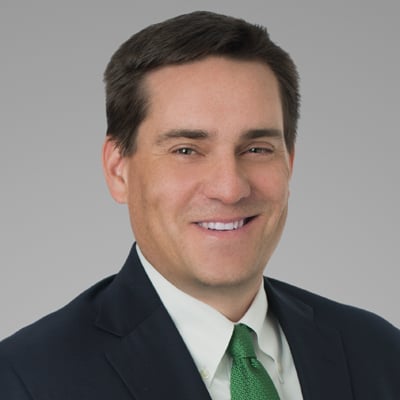
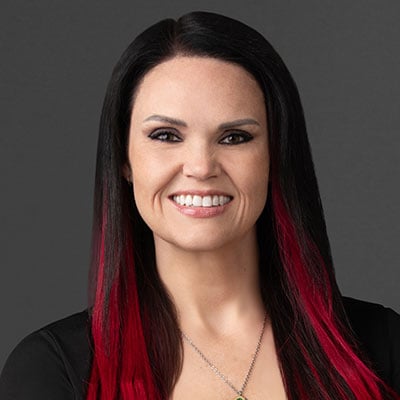
In this episode of Absolute Credit, Kirkland partners Lindsay Trapp, Jared Axelrod, Mark Boyagi and Sean Hill discuss how CFO structures are being used alongside continuation vehicles (CVs) to unlock new pathways to liquidity, scale transactions and expand the investor universe. From GP and LP stakes to credit portfolios, the conversation highlights real-world applications, emerging hybrid structures (including the aptly named “CVFO”), and the growing role of rated structures in funding increasingly large and complex deals.
Absolute Credit Series: Unlocking Liquidity at Scale: CFOs and Continuation Vehicles Coming Together to Open the Door to New Investors
25:02 min
Video transcript
LINDSAY TRAPP (00:09)
Good afternoon and welcome to our latest episode of Absolute Credit. I'm Lindsay Trapp. I'm a partner in Kirkland's New York office and co-head of the Structured Capital & Insurance Solutions team. And I'm delighted today to be joined by my other co-head of Structured Capital & Insurance Solutions, Jared Axelrod, and our two heads of the Liquidity Solutions practice, Mark Boyagi and Sean Hill. Hi guys!
MARK BOYAGI (00:31)
Hi, how are you?
SEAN HILL (00:32)
Good afternoon.
JARED AXELROD (00:33)
Hi, everyone.
LT (00:34)
Excellent. We’re very excited today to be talking about CFOs and liquidity solutions and how those two worlds are coming together to create a new perfect union. So, you know, we’ve certainly seen a lot of things with the market evolving in CFOs, asset types, different things that are needs and necessities, having some income-producing assets for different strategies, things like that. So I thought it would be great to jump in and talk a little bit first about CV transactions and what we are seeing in that arena.
SH (01:08)
Sure, I'll go first. So one thing that we're seeing and have for a while is people using CFO technology to get liquidity on their LP stakes. It's mostly institutional investors that have a large portfolio of mature cash-flowing assets. They've been able to maintain relationships with the sponsors and reuse the cash generated by the rated structure to be able to recycle into other investments while still holding onto the investments, they still hold title even if it's in some sort of SPV structure. These go back to the late ’90s, early 2000s. There were some early entrants from Capital Dynamics and Partners Group. That technology has come back in the past couple years where people are using the technology to be able to create this liquidity and manage their balance sheet in better way.
MB (02:00)
So GP stakes have obviously been an asset class that has come to the fore in the last, call it, 10 years or so. And the thing that's super interesting about them is that you get this incredible exposure to the underlying economics of these GPs. So you get some access to the fee and you get access to the carry and the co-invest. But they are inherently perpetual vehicles if you're looking at the actual GP stakes funds. And so there's a toolkit that has developed in recent years around being able to drive liquidity. It often goes something like securitization and then there's potentially a strip sale and then potentially there's a strip sale with a CFO. And as we will talk about a little bit later, CFOs and CVs are beginning to converge particularly around this asset class in a pretty exciting way.
SH (02:51)
Another place we've seen it significantly increase is in credit portfolios, royalty streams, some of the secondary funds and fund-of-funds. So they're assets that naturally lend themselves to providing the cash flow to investors, where they're easy for rating agencies to get their arms around and kind of understand what those are, project those out, and be able to put a rating on them in a way that makes sense. And they can get good tranching. The rating agencies are able to put a rating on these structures with these underlying cash flow assets to be able to attract enough investment capital to buy the bonds and even place the equity.
MB (03:34)
I think similarly along those sort of cash-flowing type of assets along the theme of the cash flowing assets, infrastructure and real assets where you're talking about sort of mature brownfield portfolios. Those again, are the types of assets that could potentially be put into CFOs and ultimately monetize so you can drive some liquidity at scale. The only question ultimately is that you tend to have a fair bit of asset-level leverage in those types of structures. And obviously CFOs are themselves levered structures so there is a question of overall debt load as you work up the structure and the appetite that the ultimate investors have for those types of structures when you factor in the debt running through.
LT (04:18)
Yeah, and it's also a big impact to the rating of the CFO itself, right? The more leverage below, the more leverage there can be, you know, considered on the top, although much less issues than we tend to find with rated funds or rated feeders. So in thinking about all these different types of assets and the different ways that they can be used, you know, we've certainly done a lot of stuff on CFOs, and we have another episode if you haven't checked that one out on CFOs. So Jared, let's talk a little bit about how can these types of products sit alongside your CFO and what we've been doing in this space recently.
JA (04:54)
Yeah, so just to sort of build off what we've already talked about, right, the efficient use of leverage through CFOs. Oftentimes, you'll have a CV trade continuation vehicle that is either planned to happen in the future or is ongoing. There might be excess assets that would make more sense to go into a CFO that sits alongside of the CV transaction. You would have, I guess, equity-only sleeve, right? That's the CV. And then you'd have a leveraged sleeve, which is the CFO. And so it pairs very nicely. It's not mutually exclusive, right? Just to use the metaphor that was used earlier, right? It's just another tool in the toolkit for sponsors and investors to sort of get access to these different strategies in a way that makes sense for the end investor.
LT (05:50)
Let's talk a little bit about, you know, where do these things all live, I guess, in your side of the world, Mark and Sean?
SH (05:56)
The CFOs and rated structures, we're seeing these penetrate in places where it's kind of a combined effort to be able to create liquidity. So they're very large transactions. One example would be a strip sale. So a sponsor is trying to create liquidity for an older fund. They sell off 20%, 30% of the assets into a CV structure, so a multi-asset continuation vehicle. There's been instances where the sponsor will, instead of a continuation vehicle, a traditional closed-end drawdown fund funded by secondary buyers, they will do the strip sale to a collateralized fund obligation where that is the acquirer or the leverage is above through the sale of the loans or the notes on the CFO. That becomes the vehicle that owns the property.
MB (06:47)
Or you might see them in parallel. I've only seen one instance to date of that happening. It was in the context of GP stakes, but again, you ultimately had a strip being sold to what was effectively a regular closed-ended CV, an SPV even. Then alongside that, you had a CFO setup. And ultimately it was there to try and drive transaction scale and to try and broaden the scope of the investors that could ultimately be providing that liquidity. So it's really a “horses for courses” kind of setup. If you're a secondary investor or you're an investor with an appetite for GP stakes but you don't have the same kind of risk-based capital considerations that an insurance company might have, for example, you come in through what is effectively just the regular-way CV sleeve. If you're an insurance investor, and you have all of those risk-based capital considerations, then obviously the CFO and its tranching with notes and then ultimately with the equity at the bottom, that represents a means of being able to efficiently invest in what would otherwise be an inaccessible portfolio.
LT (08:02)
Yeah, absolutely. I mean, I think CFOs play an interesting role in the market now. Certainly continue to be largely driven by insurance capital, but they have started to see quite a bit of expansion as well. It's a non-traditional lending. So we're not seeing banks generally running around that space. So we're looking at different types of things, right? Different credit funds. We've certainly seen a number of funds where they're looking to get access to a different part of a portfolio and do it in a levered manner. So they may take down some of the notes for lending purposes and certain credit funds, but they also are taking down a lot of the equity sometimes as well, which can give a great levered return to a specific fund. So I think it's a great option, as Jared said, it's a tool in the toolkit to really provide that additional means of financing and creating a different return and a different experience for certain types of investors outside of the traditional ecosystem.
SH (09:05)
I think it's a natural evolution. We've been doing rated structures into credit funds for well over a decade. Now with the continuation fund market, the portfolios are getting bigger, the opportunities for acquiring mature portfolios rather than in a blind pool credit fund, direct lending fund, for example. Those are expanding. We've had a couple of instances where the portfolio being sold was split up to separate accounts, CV investors and rated structures because the portfolios were so large over multibillion-dollar deals, that was another way to access capital to provide the liquidity to the seller of the loans.
MB (09:47)
I totally agree, and there is also honestly a question around use case and how this could potentially dovetail with a development I think over the last 18 months in the secondary markets, which has been the credit CV. You're seeing really sizable credit CVs being done on par performing portfolios in many cases, so direct lending funds. And those deals can go upwards of $3 billion at this point. They could be even bigger depending on whether or not you're wrapping in additional funds and so ultimately the question becomes, okay, is the deal too large to just do by way of the secondary market? To date, it hasn't been, and part of that is driven by the types of CV-level leverage that people have been able to obtain. In many cases, you're able to get one-to-one leverage. So your actual equity raise ends up being half of whatever's on the cover of the deal. But there could be a situation where frankly you're talking about five billion for instance, and as folks start to think about the deployment goals in the secondary markets maybe they can't take down the entire equity need. And so you need to start thinking about actually doing one of these parallel structures. I haven't seen it yet, parallel structures with a CV and a CFO that is. I haven't seen it yet, but theoretically it makes a lot of sense. So I guess we'll see.
JA (11:12)
Yeah, speaking of use cases, right? So, I mean, CFOs, particularly the private equity focused ones, GP-led private equity focused ones, they always need a credit sleeve. You always need some cashflow-producing asset that's going to be throwing off cash on day one, right? And so when you have this, you know, fundraising environment that may be, you know, particularly difficult and need for liquidity, and you have the rise of credit CVs and GP-led private equity CFOs, right? I think it's a natural evolution of the market to see a combination such that you're seeing fundraising for a PE strategy, utilizing secondary assets that are credit based while also opening an SMA, right? And then throwing in, I don't know, some BDC shares or whatever, right? The point is that the market evolves to sort of meet the needs of market participants. And we're seeing a convergence of all these different technologies in different areas.
MB (12:08)
I think we just need to see them happen with a frequency and scale for there to be a real market. I think, Sean, I'm not gonna steal your thunder, but what are we gonna call these things when you start doing CVs and CFOs?
SH (12:20)
I think the term we've come up with so far is CVFO. We're trying to figure it out.
LT (12:27)
You heard it here folks, coined: CVFO.
JA (12:30)
Yeah, I was thinking maybe structured liquidity, but I think we could probably come up with something a little better than that.
SH (12:37)
The secondary market is so under capitalized, and the CFO market and rated structure market is a place that has been very, very active. It's a natural place for everything to converge, to be able to fund those larger transactions. We can also extend the use case or combine the use case for CFOs, which have traditionally either been liquidity, you know, it's a form of leverage on portfolios or fundraising where sponsors are using CFOs to help raise capital for their funds. So we're seeing and we're having discussions with clients about moving portfolios into a CFO type structure and using that as additional support for a structure that will also commit capital to new blind pool funds, whether those are credit funds or private equity funds or otherwise.
LT (13:30)
Yeah, absolutely. We've done a number of those kinds of transactions, be they GP stakes, LP stakes, where there's a financing element and a fundraising element combined together, which is very useful. And I think as Jared said, there's a need in certain portfolios, probably more than people would think, for the CFO side to have income-producing assets right away from the beginning. So it can be very helpful. If you have needs on one side and wants on another, you know, you have some investors who want some liquidity out of your credit portfolios or their SMA or something like that. It can certainly be a very useful tool. And I think that CFOs are a unique product. There's, you know, maybe a slightly more advanced market in the sense that there's been a number of deals so there are some guardrails or guidelines that folks in the market have agreed are kind of something folks would be comfortable with. But I think that CFOs themselves are extraordinarily bespoke as well. Every single one is like its own little unicorn. Every portfolio makeup is different. And so they are bespoke enough, I think, to fit alongside what is an extremely bespoke product in CV world and allow kind of that flexibility between the two sides and the different needs that you might have if you do have a “CVFO” type of structure.
JA (14:59)
We're gonna workshop the name. I'm sure the market will come up with something.
SH (15:04)
I think the tricky part here will be given the bespoke nature of all these transactions, how do you land all the planes at once? You have so many different constituents that have their concerns about what their terms are and what their structures are. It's not just landing planes at the airport, it's landing a bunch of planes on an aircraft carrier all at the same time.
LT (15:26)
Yeah, absolutely. There's going to be push and pull. Obviously, CFO investors have different considerations to regular-way equity investors in a CV. So, you know, it is work to get everything, I think, together. And maybe there will be some timing mismatches. You know, it may be that you have portions of portfolios that go over at different times.
MB (15:46)
We've definitely seen that as far as the timing mismatches. But the good news, I think, is that both of these respective transaction types are so gnarly in their own right that they each take a fair bit of time. And so if you're just sort of looking at them in parallel, you can actually get them pretty close to Sean's example. I don't know if they're landing at the same time on the aircraft carrier, but they're landing sort of pretty close, Top Gun style. But I have seen transactions where you've effectively provided the liquidity sequentially. So you've done the CFO piece and then you've done the CV piece or vice versa. And so the question then becomes, how close can you get them so that ultimately the fundamental pricing that's driving the transaction remains current and actionable as between the two deals.
JA (16:37)
And there's the market, right? Like we've seen this, Lindsay, where the sequencing, the timing is, it doesn't necessarily line up. And so the way you sort of solve for it, there's the series structure, right? Where you have a master trust issuing multiple series, or you have the ability to do an upsize with additional closings, where you may or may not need to get RAC, but the point is you have the ability to upsize the portfolio in order to meet the specific needs of the sponsor or of the investors, right? So, the tools are there for sure.
MB (17:10)
Actually, to ask a question while we're all gathered, there's often a time limit in CV transactions for post-closing syndication. So there's a willingness on the, think of it, early closers as far as the sort secondary investors are concerned, up to a point to serve as an equity bridge for sort of later closers that are coming in at a later point in time. In CFO transactions, how does that work? Would you have to do a single close at all times? That's what I've seen on the transactions I've done. But to your point, Jared, could you sort of tranche it out by a series and provide liquidity as and when the capital's raised? Is that sort of a setup that you guys are seeing semi-frequently?
LT (17:53)
Yeah, I mean, you actually see in a number of CFOs a structure similar to private funds, right? We would have an offer period where there would be some expected upsizes. That said, there are also a lot more like CLOs in that there may be upsizes at different times throughout the life, which would have different terms, different effects. You know, so you may refi them at a certain point as well or expect to refi them at a certain point. So it's actually like a beautiful little hybrid, I would agree. The majority of them are single close that we have, but we do have a number of them that have had multiple closings as well as a possibility.
SH (18:32)
One other use case that I've been having discussions with clients about is providing end-of-life liquidity for secondary funds and fund-of-funds, which is much like GP stakes. Those funds tend to be evergreen, so there really is no end date. Secondary funds, fund-of-funds, 10, 15 years ago, they would have 40, 50, maybe 100 LP interests in them. Now these funds are huge, and they have thousands of partnership interests underneath, and there's no good way to wind them up. So I can see this technology and very exploratory at this stage but working with secondary fund sponsors, fund-of-fund sponsors to use the technology along with CV technology to be able to create some sort of new, perhaps evergreen master vehicle where you could get the liquidity and those that want to stay in the assets have the ability to do so.
LT (19:28)
We did the first perpetual debt issuance rated feeder at the end of last year and now working on that technology for CFOs as well. So it would depend a little bit on what the underlying was, I think, and how the operation will be put together. But it's certainly something that we are focused on getting over the line and out into the world as well. So I certainly think there's a lot of use cases out there for it. And that's just one of them. So hopefully we will be pairing up on one of those soon.
SH (20:01)
It takes a lot of brains to put these things together. It's very refreshing to be able to have all the team members that you can see and bring in the right experts to be able to pull off one of these transactions, as you said, a hybrid of a number of different disciplines. I can see the banks also merging their teams a little bit with their private capital advisory teams, their secondary teams, their fundraising teams on credit specialists that are working in the space on the rated structures.
MB (20:33)
I mean, honestly, I'll second that and second it loudly because, I mean, Sean, you and I have each done CFOs without the benefit of these experts on the line. And we kind of figured it out, I think, and everything kind of worked out in the end. But the ability to really lean into that subject matter expertise and be able to sort of harmonize that with the, I mean, again, setting aside whether or not it's a CVFO and focusing more on the fact that there are just LP stakes or GP stakes and sort of there are funds, components, frankly, to these transactions. The ability to harmonize those workstreams across subject matter expertise is really, really gratifying. Jared and I worked on a couple of transactions recently that I will say have been learning experiences for me.
JA (21:26)
I'm sure we're to see more and more of those, right? The CLO, CV, equity, trades. We've been talking about that for about a year and a half now, Mark, and so, you know, more to come on that, I suspect.
MB (21:38)
Might as well stop if you're not learning.
JA (21:40)
Yeah, yeah, for sure.
LT (21:42)
Exactly. Always something new, right? But yes, likewise, I mean, it's been a wonderful, wonderful thing to get to come over here and get to work with you guys. Our liquidity solutions team is phenomenal, and you know these structures and CVs and the ones that we've been working on together are mind-bending exercises. So you know we just like to add more to the pot with the CVFO right so you know.
JA (22:06)
We all have fun doing it, Lindsay, and that's what matters, all right?
LT (22:09)
Exactly. That's why we are nerds. But, you know, it works together. Awesome. Well, anything else anybody wanted to highlight?
MB (22:19)
I mean, I think we've kind of hit the points. We've hit the use cases or the sort of prevailing use cases. We've talked about potential use cases. We've talked about CVFOs. Jared, I know you're not warm on it, but it'll come. It'll come.
LT (22:32)
Yeah, I like it. CVFO rolls off the tongue.
MB (22:36)
It really does. And then honestly I think the most important thing is the ability to broaden the fundraising aperture as you're thinking about providing liquidity and the ability to do bigger transactions. Yeah, there's a complexity to it and there's a bit of a threshold to get through in terms of the level of complexity of doing these transactions potentially in parallel, but I think the upside is certainly there in being able to execute something like this.
SH (23:04)
Yeah, it's great to be able to go into the kitchen with you guys and sort of figure out what's next, what's around the corner and having all of us seeing different things at different times through our careers, be able to use that to be able to come up with the new use cases for the technology, expansions of the technology and is it a rated structure? Is it a CFO, like where on the spectrum? How do we combine that with the right types of assets that a seller is looking to find some liquidity on or finance?
LT (23:38)
Yeah, absolutely. I think, you know, CFOs are never going to replace CVs. They're not going to, you know, be the answer to everybody's, you know, desires in strip sales and that type of thing. But they certainly just provide yet another option, another road. And as our worlds continue to converge and collide, I think that new products just benefit the wider market and folks can find things that suit their particular position well. Everyone, as I said, is a unique little unicorn. And so it's great to get to sit down and all of us come up with solutions for each one of these little unique birds. So, excellent. Well, thank you guys for joining us today. To all of our listeners, thank you for continuing to listen with us. As I said, we have a prior episode on CFOs, which is a bit more of a primer on those. And if you are interested in doing a deal that involves a CV transaction of any type, please reach out to Mark and Sean, who are the heads of our Liquidity Solutions team. And as always, Jared and I and the rest of the SCIS team are here to help in your rated projects. Thank you.
JA (24:56:04)
Thanks everyone.
Good afternoon and welcome to our latest episode of Absolute Credit. I'm Lindsay Trapp. I'm a partner in Kirkland's New York office and co-head of the Structured Capital & Insurance Solutions team. And I'm delighted today to be joined by my other co-head of Structured Capital & Insurance Solutions, Jared Axelrod, and our two heads of the Liquidity Solutions practice, Mark Boyagi and Sean Hill. Hi guys!
MARK BOYAGI (00:31)
Hi, how are you?
SEAN HILL (00:32)
Good afternoon.
JARED AXELROD (00:33)
Hi, everyone.
LT (00:34)
Excellent. We’re very excited today to be talking about CFOs and liquidity solutions and how those two worlds are coming together to create a new perfect union. So, you know, we’ve certainly seen a lot of things with the market evolving in CFOs, asset types, different things that are needs and necessities, having some income-producing assets for different strategies, things like that. So I thought it would be great to jump in and talk a little bit first about CV transactions and what we are seeing in that arena.
SH (01:08)
Sure, I'll go first. So one thing that we're seeing and have for a while is people using CFO technology to get liquidity on their LP stakes. It's mostly institutional investors that have a large portfolio of mature cash-flowing assets. They've been able to maintain relationships with the sponsors and reuse the cash generated by the rated structure to be able to recycle into other investments while still holding onto the investments, they still hold title even if it's in some sort of SPV structure. These go back to the late ’90s, early 2000s. There were some early entrants from Capital Dynamics and Partners Group. That technology has come back in the past couple years where people are using the technology to be able to create this liquidity and manage their balance sheet in better way.
MB (02:00)
So GP stakes have obviously been an asset class that has come to the fore in the last, call it, 10 years or so. And the thing that's super interesting about them is that you get this incredible exposure to the underlying economics of these GPs. So you get some access to the fee and you get access to the carry and the co-invest. But they are inherently perpetual vehicles if you're looking at the actual GP stakes funds. And so there's a toolkit that has developed in recent years around being able to drive liquidity. It often goes something like securitization and then there's potentially a strip sale and then potentially there's a strip sale with a CFO. And as we will talk about a little bit later, CFOs and CVs are beginning to converge particularly around this asset class in a pretty exciting way.
SH (02:51)
Another place we've seen it significantly increase is in credit portfolios, royalty streams, some of the secondary funds and fund-of-funds. So they're assets that naturally lend themselves to providing the cash flow to investors, where they're easy for rating agencies to get their arms around and kind of understand what those are, project those out, and be able to put a rating on them in a way that makes sense. And they can get good tranching. The rating agencies are able to put a rating on these structures with these underlying cash flow assets to be able to attract enough investment capital to buy the bonds and even place the equity.
MB (03:34)
I think similarly along those sort of cash-flowing type of assets along the theme of the cash flowing assets, infrastructure and real assets where you're talking about sort of mature brownfield portfolios. Those again, are the types of assets that could potentially be put into CFOs and ultimately monetize so you can drive some liquidity at scale. The only question ultimately is that you tend to have a fair bit of asset-level leverage in those types of structures. And obviously CFOs are themselves levered structures so there is a question of overall debt load as you work up the structure and the appetite that the ultimate investors have for those types of structures when you factor in the debt running through.
LT (04:18)
Yeah, and it's also a big impact to the rating of the CFO itself, right? The more leverage below, the more leverage there can be, you know, considered on the top, although much less issues than we tend to find with rated funds or rated feeders. So in thinking about all these different types of assets and the different ways that they can be used, you know, we've certainly done a lot of stuff on CFOs, and we have another episode if you haven't checked that one out on CFOs. So Jared, let's talk a little bit about how can these types of products sit alongside your CFO and what we've been doing in this space recently.
JA (04:54)
Yeah, so just to sort of build off what we've already talked about, right, the efficient use of leverage through CFOs. Oftentimes, you'll have a CV trade continuation vehicle that is either planned to happen in the future or is ongoing. There might be excess assets that would make more sense to go into a CFO that sits alongside of the CV transaction. You would have, I guess, equity-only sleeve, right? That's the CV. And then you'd have a leveraged sleeve, which is the CFO. And so it pairs very nicely. It's not mutually exclusive, right? Just to use the metaphor that was used earlier, right? It's just another tool in the toolkit for sponsors and investors to sort of get access to these different strategies in a way that makes sense for the end investor.
LT (05:50)
Let's talk a little bit about, you know, where do these things all live, I guess, in your side of the world, Mark and Sean?
SH (05:56)
The CFOs and rated structures, we're seeing these penetrate in places where it's kind of a combined effort to be able to create liquidity. So they're very large transactions. One example would be a strip sale. So a sponsor is trying to create liquidity for an older fund. They sell off 20%, 30% of the assets into a CV structure, so a multi-asset continuation vehicle. There's been instances where the sponsor will, instead of a continuation vehicle, a traditional closed-end drawdown fund funded by secondary buyers, they will do the strip sale to a collateralized fund obligation where that is the acquirer or the leverage is above through the sale of the loans or the notes on the CFO. That becomes the vehicle that owns the property.
MB (06:47)
Or you might see them in parallel. I've only seen one instance to date of that happening. It was in the context of GP stakes, but again, you ultimately had a strip being sold to what was effectively a regular closed-ended CV, an SPV even. Then alongside that, you had a CFO setup. And ultimately it was there to try and drive transaction scale and to try and broaden the scope of the investors that could ultimately be providing that liquidity. So it's really a “horses for courses” kind of setup. If you're a secondary investor or you're an investor with an appetite for GP stakes but you don't have the same kind of risk-based capital considerations that an insurance company might have, for example, you come in through what is effectively just the regular-way CV sleeve. If you're an insurance investor, and you have all of those risk-based capital considerations, then obviously the CFO and its tranching with notes and then ultimately with the equity at the bottom, that represents a means of being able to efficiently invest in what would otherwise be an inaccessible portfolio.
LT (08:02)
Yeah, absolutely. I mean, I think CFOs play an interesting role in the market now. Certainly continue to be largely driven by insurance capital, but they have started to see quite a bit of expansion as well. It's a non-traditional lending. So we're not seeing banks generally running around that space. So we're looking at different types of things, right? Different credit funds. We've certainly seen a number of funds where they're looking to get access to a different part of a portfolio and do it in a levered manner. So they may take down some of the notes for lending purposes and certain credit funds, but they also are taking down a lot of the equity sometimes as well, which can give a great levered return to a specific fund. So I think it's a great option, as Jared said, it's a tool in the toolkit to really provide that additional means of financing and creating a different return and a different experience for certain types of investors outside of the traditional ecosystem.
SH (09:05)
I think it's a natural evolution. We've been doing rated structures into credit funds for well over a decade. Now with the continuation fund market, the portfolios are getting bigger, the opportunities for acquiring mature portfolios rather than in a blind pool credit fund, direct lending fund, for example. Those are expanding. We've had a couple of instances where the portfolio being sold was split up to separate accounts, CV investors and rated structures because the portfolios were so large over multibillion-dollar deals, that was another way to access capital to provide the liquidity to the seller of the loans.
MB (09:47)
I totally agree, and there is also honestly a question around use case and how this could potentially dovetail with a development I think over the last 18 months in the secondary markets, which has been the credit CV. You're seeing really sizable credit CVs being done on par performing portfolios in many cases, so direct lending funds. And those deals can go upwards of $3 billion at this point. They could be even bigger depending on whether or not you're wrapping in additional funds and so ultimately the question becomes, okay, is the deal too large to just do by way of the secondary market? To date, it hasn't been, and part of that is driven by the types of CV-level leverage that people have been able to obtain. In many cases, you're able to get one-to-one leverage. So your actual equity raise ends up being half of whatever's on the cover of the deal. But there could be a situation where frankly you're talking about five billion for instance, and as folks start to think about the deployment goals in the secondary markets maybe they can't take down the entire equity need. And so you need to start thinking about actually doing one of these parallel structures. I haven't seen it yet, parallel structures with a CV and a CFO that is. I haven't seen it yet, but theoretically it makes a lot of sense. So I guess we'll see.
JA (11:12)
Yeah, speaking of use cases, right? So, I mean, CFOs, particularly the private equity focused ones, GP-led private equity focused ones, they always need a credit sleeve. You always need some cashflow-producing asset that's going to be throwing off cash on day one, right? And so when you have this, you know, fundraising environment that may be, you know, particularly difficult and need for liquidity, and you have the rise of credit CVs and GP-led private equity CFOs, right? I think it's a natural evolution of the market to see a combination such that you're seeing fundraising for a PE strategy, utilizing secondary assets that are credit based while also opening an SMA, right? And then throwing in, I don't know, some BDC shares or whatever, right? The point is that the market evolves to sort of meet the needs of market participants. And we're seeing a convergence of all these different technologies in different areas.
MB (12:08)
I think we just need to see them happen with a frequency and scale for there to be a real market. I think, Sean, I'm not gonna steal your thunder, but what are we gonna call these things when you start doing CVs and CFOs?
SH (12:20)
I think the term we've come up with so far is CVFO. We're trying to figure it out.
LT (12:27)
You heard it here folks, coined: CVFO.
JA (12:30)
Yeah, I was thinking maybe structured liquidity, but I think we could probably come up with something a little better than that.
SH (12:37)
The secondary market is so under capitalized, and the CFO market and rated structure market is a place that has been very, very active. It's a natural place for everything to converge, to be able to fund those larger transactions. We can also extend the use case or combine the use case for CFOs, which have traditionally either been liquidity, you know, it's a form of leverage on portfolios or fundraising where sponsors are using CFOs to help raise capital for their funds. So we're seeing and we're having discussions with clients about moving portfolios into a CFO type structure and using that as additional support for a structure that will also commit capital to new blind pool funds, whether those are credit funds or private equity funds or otherwise.
LT (13:30)
Yeah, absolutely. We've done a number of those kinds of transactions, be they GP stakes, LP stakes, where there's a financing element and a fundraising element combined together, which is very useful. And I think as Jared said, there's a need in certain portfolios, probably more than people would think, for the CFO side to have income-producing assets right away from the beginning. So it can be very helpful. If you have needs on one side and wants on another, you know, you have some investors who want some liquidity out of your credit portfolios or their SMA or something like that. It can certainly be a very useful tool. And I think that CFOs are a unique product. There's, you know, maybe a slightly more advanced market in the sense that there's been a number of deals so there are some guardrails or guidelines that folks in the market have agreed are kind of something folks would be comfortable with. But I think that CFOs themselves are extraordinarily bespoke as well. Every single one is like its own little unicorn. Every portfolio makeup is different. And so they are bespoke enough, I think, to fit alongside what is an extremely bespoke product in CV world and allow kind of that flexibility between the two sides and the different needs that you might have if you do have a “CVFO” type of structure.
JA (14:59)
We're gonna workshop the name. I'm sure the market will come up with something.
SH (15:04)
I think the tricky part here will be given the bespoke nature of all these transactions, how do you land all the planes at once? You have so many different constituents that have their concerns about what their terms are and what their structures are. It's not just landing planes at the airport, it's landing a bunch of planes on an aircraft carrier all at the same time.
LT (15:26)
Yeah, absolutely. There's going to be push and pull. Obviously, CFO investors have different considerations to regular-way equity investors in a CV. So, you know, it is work to get everything, I think, together. And maybe there will be some timing mismatches. You know, it may be that you have portions of portfolios that go over at different times.
MB (15:46)
We've definitely seen that as far as the timing mismatches. But the good news, I think, is that both of these respective transaction types are so gnarly in their own right that they each take a fair bit of time. And so if you're just sort of looking at them in parallel, you can actually get them pretty close to Sean's example. I don't know if they're landing at the same time on the aircraft carrier, but they're landing sort of pretty close, Top Gun style. But I have seen transactions where you've effectively provided the liquidity sequentially. So you've done the CFO piece and then you've done the CV piece or vice versa. And so the question then becomes, how close can you get them so that ultimately the fundamental pricing that's driving the transaction remains current and actionable as between the two deals.
JA (16:37)
And there's the market, right? Like we've seen this, Lindsay, where the sequencing, the timing is, it doesn't necessarily line up. And so the way you sort of solve for it, there's the series structure, right? Where you have a master trust issuing multiple series, or you have the ability to do an upsize with additional closings, where you may or may not need to get RAC, but the point is you have the ability to upsize the portfolio in order to meet the specific needs of the sponsor or of the investors, right? So, the tools are there for sure.
MB (17:10)
Actually, to ask a question while we're all gathered, there's often a time limit in CV transactions for post-closing syndication. So there's a willingness on the, think of it, early closers as far as the sort secondary investors are concerned, up to a point to serve as an equity bridge for sort of later closers that are coming in at a later point in time. In CFO transactions, how does that work? Would you have to do a single close at all times? That's what I've seen on the transactions I've done. But to your point, Jared, could you sort of tranche it out by a series and provide liquidity as and when the capital's raised? Is that sort of a setup that you guys are seeing semi-frequently?
LT (17:53)
Yeah, I mean, you actually see in a number of CFOs a structure similar to private funds, right? We would have an offer period where there would be some expected upsizes. That said, there are also a lot more like CLOs in that there may be upsizes at different times throughout the life, which would have different terms, different effects. You know, so you may refi them at a certain point as well or expect to refi them at a certain point. So it's actually like a beautiful little hybrid, I would agree. The majority of them are single close that we have, but we do have a number of them that have had multiple closings as well as a possibility.
SH (18:32)
One other use case that I've been having discussions with clients about is providing end-of-life liquidity for secondary funds and fund-of-funds, which is much like GP stakes. Those funds tend to be evergreen, so there really is no end date. Secondary funds, fund-of-funds, 10, 15 years ago, they would have 40, 50, maybe 100 LP interests in them. Now these funds are huge, and they have thousands of partnership interests underneath, and there's no good way to wind them up. So I can see this technology and very exploratory at this stage but working with secondary fund sponsors, fund-of-fund sponsors to use the technology along with CV technology to be able to create some sort of new, perhaps evergreen master vehicle where you could get the liquidity and those that want to stay in the assets have the ability to do so.
LT (19:28)
We did the first perpetual debt issuance rated feeder at the end of last year and now working on that technology for CFOs as well. So it would depend a little bit on what the underlying was, I think, and how the operation will be put together. But it's certainly something that we are focused on getting over the line and out into the world as well. So I certainly think there's a lot of use cases out there for it. And that's just one of them. So hopefully we will be pairing up on one of those soon.
SH (20:01)
It takes a lot of brains to put these things together. It's very refreshing to be able to have all the team members that you can see and bring in the right experts to be able to pull off one of these transactions, as you said, a hybrid of a number of different disciplines. I can see the banks also merging their teams a little bit with their private capital advisory teams, their secondary teams, their fundraising teams on credit specialists that are working in the space on the rated structures.
MB (20:33)
I mean, honestly, I'll second that and second it loudly because, I mean, Sean, you and I have each done CFOs without the benefit of these experts on the line. And we kind of figured it out, I think, and everything kind of worked out in the end. But the ability to really lean into that subject matter expertise and be able to sort of harmonize that with the, I mean, again, setting aside whether or not it's a CVFO and focusing more on the fact that there are just LP stakes or GP stakes and sort of there are funds, components, frankly, to these transactions. The ability to harmonize those workstreams across subject matter expertise is really, really gratifying. Jared and I worked on a couple of transactions recently that I will say have been learning experiences for me.
JA (21:26)
I'm sure we're to see more and more of those, right? The CLO, CV, equity, trades. We've been talking about that for about a year and a half now, Mark, and so, you know, more to come on that, I suspect.
MB (21:38)
Might as well stop if you're not learning.
JA (21:40)
Yeah, yeah, for sure.
LT (21:42)
Exactly. Always something new, right? But yes, likewise, I mean, it's been a wonderful, wonderful thing to get to come over here and get to work with you guys. Our liquidity solutions team is phenomenal, and you know these structures and CVs and the ones that we've been working on together are mind-bending exercises. So you know we just like to add more to the pot with the CVFO right so you know.
JA (22:06)
We all have fun doing it, Lindsay, and that's what matters, all right?
LT (22:09)
Exactly. That's why we are nerds. But, you know, it works together. Awesome. Well, anything else anybody wanted to highlight?
MB (22:19)
I mean, I think we've kind of hit the points. We've hit the use cases or the sort of prevailing use cases. We've talked about potential use cases. We've talked about CVFOs. Jared, I know you're not warm on it, but it'll come. It'll come.
LT (22:32)
Yeah, I like it. CVFO rolls off the tongue.
MB (22:36)
It really does. And then honestly I think the most important thing is the ability to broaden the fundraising aperture as you're thinking about providing liquidity and the ability to do bigger transactions. Yeah, there's a complexity to it and there's a bit of a threshold to get through in terms of the level of complexity of doing these transactions potentially in parallel, but I think the upside is certainly there in being able to execute something like this.
SH (23:04)
Yeah, it's great to be able to go into the kitchen with you guys and sort of figure out what's next, what's around the corner and having all of us seeing different things at different times through our careers, be able to use that to be able to come up with the new use cases for the technology, expansions of the technology and is it a rated structure? Is it a CFO, like where on the spectrum? How do we combine that with the right types of assets that a seller is looking to find some liquidity on or finance?
LT (23:38)
Yeah, absolutely. I think, you know, CFOs are never going to replace CVs. They're not going to, you know, be the answer to everybody's, you know, desires in strip sales and that type of thing. But they certainly just provide yet another option, another road. And as our worlds continue to converge and collide, I think that new products just benefit the wider market and folks can find things that suit their particular position well. Everyone, as I said, is a unique little unicorn. And so it's great to get to sit down and all of us come up with solutions for each one of these little unique birds. So, excellent. Well, thank you guys for joining us today. To all of our listeners, thank you for continuing to listen with us. As I said, we have a prior episode on CFOs, which is a bit more of a primer on those. And if you are interested in doing a deal that involves a CV transaction of any type, please reach out to Mark and Sean, who are the heads of our Liquidity Solutions team. And as always, Jared and I and the rest of the SCIS team are here to help in your rated projects. Thank you.
JA (24:56:04)
Thanks everyone.
Absolute Credit Series: Unlocking Liquidity at Scale: CFOs and Continuation Vehicles Coming Together to Open the Door to New Investors
25:02 min
Video transcript
LINDSAY TRAPP (00:09)
Good afternoon and welcome to our latest episode of Absolute Credit. I'm Lindsay Trapp. I'm a partner in Kirkland's New York office and co-head of the Structured Capital & Insurance Solutions team. And I'm delighted today to be joined by my other co-head of Structured Capital & Insurance Solutions, Jared Axelrod, and our two heads of the Liquidity Solutions practice, Mark Boyagi and Sean Hill. Hi guys!
MARK BOYAGI (00:31)
Hi, how are you?
SEAN HILL (00:32)
Good afternoon.
JARED AXELROD (00:33)
Hi, everyone.
LT (00:34)
Excellent. We’re very excited today to be talking about CFOs and liquidity solutions and how those two worlds are coming together to create a new perfect union. So, you know, we’ve certainly seen a lot of things with the market evolving in CFOs, asset types, different things that are needs and necessities, having some income-producing assets for different strategies, things like that. So I thought it would be great to jump in and talk a little bit first about CV transactions and what we are seeing in that arena.
SH (01:08)
Sure, I'll go first. So one thing that we're seeing and have for a while is people using CFO technology to get liquidity on their LP stakes. It's mostly institutional investors that have a large portfolio of mature cash-flowing assets. They've been able to maintain relationships with the sponsors and reuse the cash generated by the rated structure to be able to recycle into other investments while still holding onto the investments, they still hold title even if it's in some sort of SPV structure. These go back to the late ’90s, early 2000s. There were some early entrants from Capital Dynamics and Partners Group. That technology has come back in the past couple years where people are using the technology to be able to create this liquidity and manage their balance sheet in better way.
MB (02:00)
So GP stakes have obviously been an asset class that has come to the fore in the last, call it, 10 years or so. And the thing that's super interesting about them is that you get this incredible exposure to the underlying economics of these GPs. So you get some access to the fee and you get access to the carry and the co-invest. But they are inherently perpetual vehicles if you're looking at the actual GP stakes funds. And so there's a toolkit that has developed in recent years around being able to drive liquidity. It often goes something like securitization and then there's potentially a strip sale and then potentially there's a strip sale with a CFO. And as we will talk about a little bit later, CFOs and CVs are beginning to converge particularly around this asset class in a pretty exciting way.
SH (02:51)
Another place we've seen it significantly increase is in credit portfolios, royalty streams, some of the secondary funds and fund-of-funds. So they're assets that naturally lend themselves to providing the cash flow to investors, where they're easy for rating agencies to get their arms around and kind of understand what those are, project those out, and be able to put a rating on them in a way that makes sense. And they can get good tranching. The rating agencies are able to put a rating on these structures with these underlying cash flow assets to be able to attract enough investment capital to buy the bonds and even place the equity.
MB (03:34)
I think similarly along those sort of cash-flowing type of assets along the theme of the cash flowing assets, infrastructure and real assets where you're talking about sort of mature brownfield portfolios. Those again, are the types of assets that could potentially be put into CFOs and ultimately monetize so you can drive some liquidity at scale. The only question ultimately is that you tend to have a fair bit of asset-level leverage in those types of structures. And obviously CFOs are themselves levered structures so there is a question of overall debt load as you work up the structure and the appetite that the ultimate investors have for those types of structures when you factor in the debt running through.
LT (04:18)
Yeah, and it's also a big impact to the rating of the CFO itself, right? The more leverage below, the more leverage there can be, you know, considered on the top, although much less issues than we tend to find with rated funds or rated feeders. So in thinking about all these different types of assets and the different ways that they can be used, you know, we've certainly done a lot of stuff on CFOs, and we have another episode if you haven't checked that one out on CFOs. So Jared, let's talk a little bit about how can these types of products sit alongside your CFO and what we've been doing in this space recently.
JA (04:54)
Yeah, so just to sort of build off what we've already talked about, right, the efficient use of leverage through CFOs. Oftentimes, you'll have a CV trade continuation vehicle that is either planned to happen in the future or is ongoing. There might be excess assets that would make more sense to go into a CFO that sits alongside of the CV transaction. You would have, I guess, equity-only sleeve, right? That's the CV. And then you'd have a leveraged sleeve, which is the CFO. And so it pairs very nicely. It's not mutually exclusive, right? Just to use the metaphor that was used earlier, right? It's just another tool in the toolkit for sponsors and investors to sort of get access to these different strategies in a way that makes sense for the end investor.
LT (05:50)
Let's talk a little bit about, you know, where do these things all live, I guess, in your side of the world, Mark and Sean?
SH (05:56)
The CFOs and rated structures, we're seeing these penetrate in places where it's kind of a combined effort to be able to create liquidity. So they're very large transactions. One example would be a strip sale. So a sponsor is trying to create liquidity for an older fund. They sell off 20%, 30% of the assets into a CV structure, so a multi-asset continuation vehicle. There's been instances where the sponsor will, instead of a continuation vehicle, a traditional closed-end drawdown fund funded by secondary buyers, they will do the strip sale to a collateralized fund obligation where that is the acquirer or the leverage is above through the sale of the loans or the notes on the CFO. That becomes the vehicle that owns the property.
MB (06:47)
Or you might see them in parallel. I've only seen one instance to date of that happening. It was in the context of GP stakes, but again, you ultimately had a strip being sold to what was effectively a regular closed-ended CV, an SPV even. Then alongside that, you had a CFO setup. And ultimately it was there to try and drive transaction scale and to try and broaden the scope of the investors that could ultimately be providing that liquidity. So it's really a “horses for courses” kind of setup. If you're a secondary investor or you're an investor with an appetite for GP stakes but you don't have the same kind of risk-based capital considerations that an insurance company might have, for example, you come in through what is effectively just the regular-way CV sleeve. If you're an insurance investor, and you have all of those risk-based capital considerations, then obviously the CFO and its tranching with notes and then ultimately with the equity at the bottom, that represents a means of being able to efficiently invest in what would otherwise be an inaccessible portfolio.
LT (08:02)
Yeah, absolutely. I mean, I think CFOs play an interesting role in the market now. Certainly continue to be largely driven by insurance capital, but they have started to see quite a bit of expansion as well. It's a non-traditional lending. So we're not seeing banks generally running around that space. So we're looking at different types of things, right? Different credit funds. We've certainly seen a number of funds where they're looking to get access to a different part of a portfolio and do it in a levered manner. So they may take down some of the notes for lending purposes and certain credit funds, but they also are taking down a lot of the equity sometimes as well, which can give a great levered return to a specific fund. So I think it's a great option, as Jared said, it's a tool in the toolkit to really provide that additional means of financing and creating a different return and a different experience for certain types of investors outside of the traditional ecosystem.
SH (09:05)
I think it's a natural evolution. We've been doing rated structures into credit funds for well over a decade. Now with the continuation fund market, the portfolios are getting bigger, the opportunities for acquiring mature portfolios rather than in a blind pool credit fund, direct lending fund, for example. Those are expanding. We've had a couple of instances where the portfolio being sold was split up to separate accounts, CV investors and rated structures because the portfolios were so large over multibillion-dollar deals, that was another way to access capital to provide the liquidity to the seller of the loans.
MB (09:47)
I totally agree, and there is also honestly a question around use case and how this could potentially dovetail with a development I think over the last 18 months in the secondary markets, which has been the credit CV. You're seeing really sizable credit CVs being done on par performing portfolios in many cases, so direct lending funds. And those deals can go upwards of $3 billion at this point. They could be even bigger depending on whether or not you're wrapping in additional funds and so ultimately the question becomes, okay, is the deal too large to just do by way of the secondary market? To date, it hasn't been, and part of that is driven by the types of CV-level leverage that people have been able to obtain. In many cases, you're able to get one-to-one leverage. So your actual equity raise ends up being half of whatever's on the cover of the deal. But there could be a situation where frankly you're talking about five billion for instance, and as folks start to think about the deployment goals in the secondary markets maybe they can't take down the entire equity need. And so you need to start thinking about actually doing one of these parallel structures. I haven't seen it yet, parallel structures with a CV and a CFO that is. I haven't seen it yet, but theoretically it makes a lot of sense. So I guess we'll see.
JA (11:12)
Yeah, speaking of use cases, right? So, I mean, CFOs, particularly the private equity focused ones, GP-led private equity focused ones, they always need a credit sleeve. You always need some cashflow-producing asset that's going to be throwing off cash on day one, right? And so when you have this, you know, fundraising environment that may be, you know, particularly difficult and need for liquidity, and you have the rise of credit CVs and GP-led private equity CFOs, right? I think it's a natural evolution of the market to see a combination such that you're seeing fundraising for a PE strategy, utilizing secondary assets that are credit based while also opening an SMA, right? And then throwing in, I don't know, some BDC shares or whatever, right? The point is that the market evolves to sort of meet the needs of market participants. And we're seeing a convergence of all these different technologies in different areas.
MB (12:08)
I think we just need to see them happen with a frequency and scale for there to be a real market. I think, Sean, I'm not gonna steal your thunder, but what are we gonna call these things when you start doing CVs and CFOs?
SH (12:20)
I think the term we've come up with so far is CVFO. We're trying to figure it out.
LT (12:27)
You heard it here folks, coined: CVFO.
JA (12:30)
Yeah, I was thinking maybe structured liquidity, but I think we could probably come up with something a little better than that.
SH (12:37)
The secondary market is so under capitalized, and the CFO market and rated structure market is a place that has been very, very active. It's a natural place for everything to converge, to be able to fund those larger transactions. We can also extend the use case or combine the use case for CFOs, which have traditionally either been liquidity, you know, it's a form of leverage on portfolios or fundraising where sponsors are using CFOs to help raise capital for their funds. So we're seeing and we're having discussions with clients about moving portfolios into a CFO type structure and using that as additional support for a structure that will also commit capital to new blind pool funds, whether those are credit funds or private equity funds or otherwise.
LT (13:30)
Yeah, absolutely. We've done a number of those kinds of transactions, be they GP stakes, LP stakes, where there's a financing element and a fundraising element combined together, which is very useful. And I think as Jared said, there's a need in certain portfolios, probably more than people would think, for the CFO side to have income-producing assets right away from the beginning. So it can be very helpful. If you have needs on one side and wants on another, you know, you have some investors who want some liquidity out of your credit portfolios or their SMA or something like that. It can certainly be a very useful tool. And I think that CFOs are a unique product. There's, you know, maybe a slightly more advanced market in the sense that there's been a number of deals so there are some guardrails or guidelines that folks in the market have agreed are kind of something folks would be comfortable with. But I think that CFOs themselves are extraordinarily bespoke as well. Every single one is like its own little unicorn. Every portfolio makeup is different. And so they are bespoke enough, I think, to fit alongside what is an extremely bespoke product in CV world and allow kind of that flexibility between the two sides and the different needs that you might have if you do have a “CVFO” type of structure.
JA (14:59)
We're gonna workshop the name. I'm sure the market will come up with something.
SH (15:04)
I think the tricky part here will be given the bespoke nature of all these transactions, how do you land all the planes at once? You have so many different constituents that have their concerns about what their terms are and what their structures are. It's not just landing planes at the airport, it's landing a bunch of planes on an aircraft carrier all at the same time.
LT (15:26)
Yeah, absolutely. There's going to be push and pull. Obviously, CFO investors have different considerations to regular-way equity investors in a CV. So, you know, it is work to get everything, I think, together. And maybe there will be some timing mismatches. You know, it may be that you have portions of portfolios that go over at different times.
MB (15:46)
We've definitely seen that as far as the timing mismatches. But the good news, I think, is that both of these respective transaction types are so gnarly in their own right that they each take a fair bit of time. And so if you're just sort of looking at them in parallel, you can actually get them pretty close to Sean's example. I don't know if they're landing at the same time on the aircraft carrier, but they're landing sort of pretty close, Top Gun style. But I have seen transactions where you've effectively provided the liquidity sequentially. So you've done the CFO piece and then you've done the CV piece or vice versa. And so the question then becomes, how close can you get them so that ultimately the fundamental pricing that's driving the transaction remains current and actionable as between the two deals.
JA (16:37)
And there's the market, right? Like we've seen this, Lindsay, where the sequencing, the timing is, it doesn't necessarily line up. And so the way you sort of solve for it, there's the series structure, right? Where you have a master trust issuing multiple series, or you have the ability to do an upsize with additional closings, where you may or may not need to get RAC, but the point is you have the ability to upsize the portfolio in order to meet the specific needs of the sponsor or of the investors, right? So, the tools are there for sure.
MB (17:10)
Actually, to ask a question while we're all gathered, there's often a time limit in CV transactions for post-closing syndication. So there's a willingness on the, think of it, early closers as far as the sort secondary investors are concerned, up to a point to serve as an equity bridge for sort of later closers that are coming in at a later point in time. In CFO transactions, how does that work? Would you have to do a single close at all times? That's what I've seen on the transactions I've done. But to your point, Jared, could you sort of tranche it out by a series and provide liquidity as and when the capital's raised? Is that sort of a setup that you guys are seeing semi-frequently?
LT (17:53)
Yeah, I mean, you actually see in a number of CFOs a structure similar to private funds, right? We would have an offer period where there would be some expected upsizes. That said, there are also a lot more like CLOs in that there may be upsizes at different times throughout the life, which would have different terms, different effects. You know, so you may refi them at a certain point as well or expect to refi them at a certain point. So it's actually like a beautiful little hybrid, I would agree. The majority of them are single close that we have, but we do have a number of them that have had multiple closings as well as a possibility.
SH (18:32)
One other use case that I've been having discussions with clients about is providing end-of-life liquidity for secondary funds and fund-of-funds, which is much like GP stakes. Those funds tend to be evergreen, so there really is no end date. Secondary funds, fund-of-funds, 10, 15 years ago, they would have 40, 50, maybe 100 LP interests in them. Now these funds are huge, and they have thousands of partnership interests underneath, and there's no good way to wind them up. So I can see this technology and very exploratory at this stage but working with secondary fund sponsors, fund-of-fund sponsors to use the technology along with CV technology to be able to create some sort of new, perhaps evergreen master vehicle where you could get the liquidity and those that want to stay in the assets have the ability to do so.
LT (19:28)
We did the first perpetual debt issuance rated feeder at the end of last year and now working on that technology for CFOs as well. So it would depend a little bit on what the underlying was, I think, and how the operation will be put together. But it's certainly something that we are focused on getting over the line and out into the world as well. So I certainly think there's a lot of use cases out there for it. And that's just one of them. So hopefully we will be pairing up on one of those soon.
SH (20:01)
It takes a lot of brains to put these things together. It's very refreshing to be able to have all the team members that you can see and bring in the right experts to be able to pull off one of these transactions, as you said, a hybrid of a number of different disciplines. I can see the banks also merging their teams a little bit with their private capital advisory teams, their secondary teams, their fundraising teams on credit specialists that are working in the space on the rated structures.
MB (20:33)
I mean, honestly, I'll second that and second it loudly because, I mean, Sean, you and I have each done CFOs without the benefit of these experts on the line. And we kind of figured it out, I think, and everything kind of worked out in the end. But the ability to really lean into that subject matter expertise and be able to sort of harmonize that with the, I mean, again, setting aside whether or not it's a CVFO and focusing more on the fact that there are just LP stakes or GP stakes and sort of there are funds, components, frankly, to these transactions. The ability to harmonize those workstreams across subject matter expertise is really, really gratifying. Jared and I worked on a couple of transactions recently that I will say have been learning experiences for me.
JA (21:26)
I'm sure we're to see more and more of those, right? The CLO, CV, equity, trades. We've been talking about that for about a year and a half now, Mark, and so, you know, more to come on that, I suspect.
MB (21:38)
Might as well stop if you're not learning.
JA (21:40)
Yeah, yeah, for sure.
LT (21:42)
Exactly. Always something new, right? But yes, likewise, I mean, it's been a wonderful, wonderful thing to get to come over here and get to work with you guys. Our liquidity solutions team is phenomenal, and you know these structures and CVs and the ones that we've been working on together are mind-bending exercises. So you know we just like to add more to the pot with the CVFO right so you know.
JA (22:06)
We all have fun doing it, Lindsay, and that's what matters, all right?
LT (22:09)
Exactly. That's why we are nerds. But, you know, it works together. Awesome. Well, anything else anybody wanted to highlight?
MB (22:19)
I mean, I think we've kind of hit the points. We've hit the use cases or the sort of prevailing use cases. We've talked about potential use cases. We've talked about CVFOs. Jared, I know you're not warm on it, but it'll come. It'll come.
LT (22:32)
Yeah, I like it. CVFO rolls off the tongue.
MB (22:36)
It really does. And then honestly I think the most important thing is the ability to broaden the fundraising aperture as you're thinking about providing liquidity and the ability to do bigger transactions. Yeah, there's a complexity to it and there's a bit of a threshold to get through in terms of the level of complexity of doing these transactions potentially in parallel, but I think the upside is certainly there in being able to execute something like this.
SH (23:04)
Yeah, it's great to be able to go into the kitchen with you guys and sort of figure out what's next, what's around the corner and having all of us seeing different things at different times through our careers, be able to use that to be able to come up with the new use cases for the technology, expansions of the technology and is it a rated structure? Is it a CFO, like where on the spectrum? How do we combine that with the right types of assets that a seller is looking to find some liquidity on or finance?
LT (23:38)
Yeah, absolutely. I think, you know, CFOs are never going to replace CVs. They're not going to, you know, be the answer to everybody's, you know, desires in strip sales and that type of thing. But they certainly just provide yet another option, another road. And as our worlds continue to converge and collide, I think that new products just benefit the wider market and folks can find things that suit their particular position well. Everyone, as I said, is a unique little unicorn. And so it's great to get to sit down and all of us come up with solutions for each one of these little unique birds. So, excellent. Well, thank you guys for joining us today. To all of our listeners, thank you for continuing to listen with us. As I said, we have a prior episode on CFOs, which is a bit more of a primer on those. And if you are interested in doing a deal that involves a CV transaction of any type, please reach out to Mark and Sean, who are the heads of our Liquidity Solutions team. And as always, Jared and I and the rest of the SCIS team are here to help in your rated projects. Thank you.
JA (24:56:04)
Thanks everyone.
Good afternoon and welcome to our latest episode of Absolute Credit. I'm Lindsay Trapp. I'm a partner in Kirkland's New York office and co-head of the Structured Capital & Insurance Solutions team. And I'm delighted today to be joined by my other co-head of Structured Capital & Insurance Solutions, Jared Axelrod, and our two heads of the Liquidity Solutions practice, Mark Boyagi and Sean Hill. Hi guys!
MARK BOYAGI (00:31)
Hi, how are you?
SEAN HILL (00:32)
Good afternoon.
JARED AXELROD (00:33)
Hi, everyone.
LT (00:34)
Excellent. We’re very excited today to be talking about CFOs and liquidity solutions and how those two worlds are coming together to create a new perfect union. So, you know, we’ve certainly seen a lot of things with the market evolving in CFOs, asset types, different things that are needs and necessities, having some income-producing assets for different strategies, things like that. So I thought it would be great to jump in and talk a little bit first about CV transactions and what we are seeing in that arena.
SH (01:08)
Sure, I'll go first. So one thing that we're seeing and have for a while is people using CFO technology to get liquidity on their LP stakes. It's mostly institutional investors that have a large portfolio of mature cash-flowing assets. They've been able to maintain relationships with the sponsors and reuse the cash generated by the rated structure to be able to recycle into other investments while still holding onto the investments, they still hold title even if it's in some sort of SPV structure. These go back to the late ’90s, early 2000s. There were some early entrants from Capital Dynamics and Partners Group. That technology has come back in the past couple years where people are using the technology to be able to create this liquidity and manage their balance sheet in better way.
MB (02:00)
So GP stakes have obviously been an asset class that has come to the fore in the last, call it, 10 years or so. And the thing that's super interesting about them is that you get this incredible exposure to the underlying economics of these GPs. So you get some access to the fee and you get access to the carry and the co-invest. But they are inherently perpetual vehicles if you're looking at the actual GP stakes funds. And so there's a toolkit that has developed in recent years around being able to drive liquidity. It often goes something like securitization and then there's potentially a strip sale and then potentially there's a strip sale with a CFO. And as we will talk about a little bit later, CFOs and CVs are beginning to converge particularly around this asset class in a pretty exciting way.
SH (02:51)
Another place we've seen it significantly increase is in credit portfolios, royalty streams, some of the secondary funds and fund-of-funds. So they're assets that naturally lend themselves to providing the cash flow to investors, where they're easy for rating agencies to get their arms around and kind of understand what those are, project those out, and be able to put a rating on them in a way that makes sense. And they can get good tranching. The rating agencies are able to put a rating on these structures with these underlying cash flow assets to be able to attract enough investment capital to buy the bonds and even place the equity.
MB (03:34)
I think similarly along those sort of cash-flowing type of assets along the theme of the cash flowing assets, infrastructure and real assets where you're talking about sort of mature brownfield portfolios. Those again, are the types of assets that could potentially be put into CFOs and ultimately monetize so you can drive some liquidity at scale. The only question ultimately is that you tend to have a fair bit of asset-level leverage in those types of structures. And obviously CFOs are themselves levered structures so there is a question of overall debt load as you work up the structure and the appetite that the ultimate investors have for those types of structures when you factor in the debt running through.
LT (04:18)
Yeah, and it's also a big impact to the rating of the CFO itself, right? The more leverage below, the more leverage there can be, you know, considered on the top, although much less issues than we tend to find with rated funds or rated feeders. So in thinking about all these different types of assets and the different ways that they can be used, you know, we've certainly done a lot of stuff on CFOs, and we have another episode if you haven't checked that one out on CFOs. So Jared, let's talk a little bit about how can these types of products sit alongside your CFO and what we've been doing in this space recently.
JA (04:54)
Yeah, so just to sort of build off what we've already talked about, right, the efficient use of leverage through CFOs. Oftentimes, you'll have a CV trade continuation vehicle that is either planned to happen in the future or is ongoing. There might be excess assets that would make more sense to go into a CFO that sits alongside of the CV transaction. You would have, I guess, equity-only sleeve, right? That's the CV. And then you'd have a leveraged sleeve, which is the CFO. And so it pairs very nicely. It's not mutually exclusive, right? Just to use the metaphor that was used earlier, right? It's just another tool in the toolkit for sponsors and investors to sort of get access to these different strategies in a way that makes sense for the end investor.
LT (05:50)
Let's talk a little bit about, you know, where do these things all live, I guess, in your side of the world, Mark and Sean?
SH (05:56)
The CFOs and rated structures, we're seeing these penetrate in places where it's kind of a combined effort to be able to create liquidity. So they're very large transactions. One example would be a strip sale. So a sponsor is trying to create liquidity for an older fund. They sell off 20%, 30% of the assets into a CV structure, so a multi-asset continuation vehicle. There's been instances where the sponsor will, instead of a continuation vehicle, a traditional closed-end drawdown fund funded by secondary buyers, they will do the strip sale to a collateralized fund obligation where that is the acquirer or the leverage is above through the sale of the loans or the notes on the CFO. That becomes the vehicle that owns the property.
MB (06:47)
Or you might see them in parallel. I've only seen one instance to date of that happening. It was in the context of GP stakes, but again, you ultimately had a strip being sold to what was effectively a regular closed-ended CV, an SPV even. Then alongside that, you had a CFO setup. And ultimately it was there to try and drive transaction scale and to try and broaden the scope of the investors that could ultimately be providing that liquidity. So it's really a “horses for courses” kind of setup. If you're a secondary investor or you're an investor with an appetite for GP stakes but you don't have the same kind of risk-based capital considerations that an insurance company might have, for example, you come in through what is effectively just the regular-way CV sleeve. If you're an insurance investor, and you have all of those risk-based capital considerations, then obviously the CFO and its tranching with notes and then ultimately with the equity at the bottom, that represents a means of being able to efficiently invest in what would otherwise be an inaccessible portfolio.
LT (08:02)
Yeah, absolutely. I mean, I think CFOs play an interesting role in the market now. Certainly continue to be largely driven by insurance capital, but they have started to see quite a bit of expansion as well. It's a non-traditional lending. So we're not seeing banks generally running around that space. So we're looking at different types of things, right? Different credit funds. We've certainly seen a number of funds where they're looking to get access to a different part of a portfolio and do it in a levered manner. So they may take down some of the notes for lending purposes and certain credit funds, but they also are taking down a lot of the equity sometimes as well, which can give a great levered return to a specific fund. So I think it's a great option, as Jared said, it's a tool in the toolkit to really provide that additional means of financing and creating a different return and a different experience for certain types of investors outside of the traditional ecosystem.
SH (09:05)
I think it's a natural evolution. We've been doing rated structures into credit funds for well over a decade. Now with the continuation fund market, the portfolios are getting bigger, the opportunities for acquiring mature portfolios rather than in a blind pool credit fund, direct lending fund, for example. Those are expanding. We've had a couple of instances where the portfolio being sold was split up to separate accounts, CV investors and rated structures because the portfolios were so large over multibillion-dollar deals, that was another way to access capital to provide the liquidity to the seller of the loans.
MB (09:47)
I totally agree, and there is also honestly a question around use case and how this could potentially dovetail with a development I think over the last 18 months in the secondary markets, which has been the credit CV. You're seeing really sizable credit CVs being done on par performing portfolios in many cases, so direct lending funds. And those deals can go upwards of $3 billion at this point. They could be even bigger depending on whether or not you're wrapping in additional funds and so ultimately the question becomes, okay, is the deal too large to just do by way of the secondary market? To date, it hasn't been, and part of that is driven by the types of CV-level leverage that people have been able to obtain. In many cases, you're able to get one-to-one leverage. So your actual equity raise ends up being half of whatever's on the cover of the deal. But there could be a situation where frankly you're talking about five billion for instance, and as folks start to think about the deployment goals in the secondary markets maybe they can't take down the entire equity need. And so you need to start thinking about actually doing one of these parallel structures. I haven't seen it yet, parallel structures with a CV and a CFO that is. I haven't seen it yet, but theoretically it makes a lot of sense. So I guess we'll see.
JA (11:12)
Yeah, speaking of use cases, right? So, I mean, CFOs, particularly the private equity focused ones, GP-led private equity focused ones, they always need a credit sleeve. You always need some cashflow-producing asset that's going to be throwing off cash on day one, right? And so when you have this, you know, fundraising environment that may be, you know, particularly difficult and need for liquidity, and you have the rise of credit CVs and GP-led private equity CFOs, right? I think it's a natural evolution of the market to see a combination such that you're seeing fundraising for a PE strategy, utilizing secondary assets that are credit based while also opening an SMA, right? And then throwing in, I don't know, some BDC shares or whatever, right? The point is that the market evolves to sort of meet the needs of market participants. And we're seeing a convergence of all these different technologies in different areas.
MB (12:08)
I think we just need to see them happen with a frequency and scale for there to be a real market. I think, Sean, I'm not gonna steal your thunder, but what are we gonna call these things when you start doing CVs and CFOs?
SH (12:20)
I think the term we've come up with so far is CVFO. We're trying to figure it out.
LT (12:27)
You heard it here folks, coined: CVFO.
JA (12:30)
Yeah, I was thinking maybe structured liquidity, but I think we could probably come up with something a little better than that.
SH (12:37)
The secondary market is so under capitalized, and the CFO market and rated structure market is a place that has been very, very active. It's a natural place for everything to converge, to be able to fund those larger transactions. We can also extend the use case or combine the use case for CFOs, which have traditionally either been liquidity, you know, it's a form of leverage on portfolios or fundraising where sponsors are using CFOs to help raise capital for their funds. So we're seeing and we're having discussions with clients about moving portfolios into a CFO type structure and using that as additional support for a structure that will also commit capital to new blind pool funds, whether those are credit funds or private equity funds or otherwise.
LT (13:30)
Yeah, absolutely. We've done a number of those kinds of transactions, be they GP stakes, LP stakes, where there's a financing element and a fundraising element combined together, which is very useful. And I think as Jared said, there's a need in certain portfolios, probably more than people would think, for the CFO side to have income-producing assets right away from the beginning. So it can be very helpful. If you have needs on one side and wants on another, you know, you have some investors who want some liquidity out of your credit portfolios or their SMA or something like that. It can certainly be a very useful tool. And I think that CFOs are a unique product. There's, you know, maybe a slightly more advanced market in the sense that there's been a number of deals so there are some guardrails or guidelines that folks in the market have agreed are kind of something folks would be comfortable with. But I think that CFOs themselves are extraordinarily bespoke as well. Every single one is like its own little unicorn. Every portfolio makeup is different. And so they are bespoke enough, I think, to fit alongside what is an extremely bespoke product in CV world and allow kind of that flexibility between the two sides and the different needs that you might have if you do have a “CVFO” type of structure.
JA (14:59)
We're gonna workshop the name. I'm sure the market will come up with something.
SH (15:04)
I think the tricky part here will be given the bespoke nature of all these transactions, how do you land all the planes at once? You have so many different constituents that have their concerns about what their terms are and what their structures are. It's not just landing planes at the airport, it's landing a bunch of planes on an aircraft carrier all at the same time.
LT (15:26)
Yeah, absolutely. There's going to be push and pull. Obviously, CFO investors have different considerations to regular-way equity investors in a CV. So, you know, it is work to get everything, I think, together. And maybe there will be some timing mismatches. You know, it may be that you have portions of portfolios that go over at different times.
MB (15:46)
We've definitely seen that as far as the timing mismatches. But the good news, I think, is that both of these respective transaction types are so gnarly in their own right that they each take a fair bit of time. And so if you're just sort of looking at them in parallel, you can actually get them pretty close to Sean's example. I don't know if they're landing at the same time on the aircraft carrier, but they're landing sort of pretty close, Top Gun style. But I have seen transactions where you've effectively provided the liquidity sequentially. So you've done the CFO piece and then you've done the CV piece or vice versa. And so the question then becomes, how close can you get them so that ultimately the fundamental pricing that's driving the transaction remains current and actionable as between the two deals.
JA (16:37)
And there's the market, right? Like we've seen this, Lindsay, where the sequencing, the timing is, it doesn't necessarily line up. And so the way you sort of solve for it, there's the series structure, right? Where you have a master trust issuing multiple series, or you have the ability to do an upsize with additional closings, where you may or may not need to get RAC, but the point is you have the ability to upsize the portfolio in order to meet the specific needs of the sponsor or of the investors, right? So, the tools are there for sure.
MB (17:10)
Actually, to ask a question while we're all gathered, there's often a time limit in CV transactions for post-closing syndication. So there's a willingness on the, think of it, early closers as far as the sort secondary investors are concerned, up to a point to serve as an equity bridge for sort of later closers that are coming in at a later point in time. In CFO transactions, how does that work? Would you have to do a single close at all times? That's what I've seen on the transactions I've done. But to your point, Jared, could you sort of tranche it out by a series and provide liquidity as and when the capital's raised? Is that sort of a setup that you guys are seeing semi-frequently?
LT (17:53)
Yeah, I mean, you actually see in a number of CFOs a structure similar to private funds, right? We would have an offer period where there would be some expected upsizes. That said, there are also a lot more like CLOs in that there may be upsizes at different times throughout the life, which would have different terms, different effects. You know, so you may refi them at a certain point as well or expect to refi them at a certain point. So it's actually like a beautiful little hybrid, I would agree. The majority of them are single close that we have, but we do have a number of them that have had multiple closings as well as a possibility.
SH (18:32)
One other use case that I've been having discussions with clients about is providing end-of-life liquidity for secondary funds and fund-of-funds, which is much like GP stakes. Those funds tend to be evergreen, so there really is no end date. Secondary funds, fund-of-funds, 10, 15 years ago, they would have 40, 50, maybe 100 LP interests in them. Now these funds are huge, and they have thousands of partnership interests underneath, and there's no good way to wind them up. So I can see this technology and very exploratory at this stage but working with secondary fund sponsors, fund-of-fund sponsors to use the technology along with CV technology to be able to create some sort of new, perhaps evergreen master vehicle where you could get the liquidity and those that want to stay in the assets have the ability to do so.
LT (19:28)
We did the first perpetual debt issuance rated feeder at the end of last year and now working on that technology for CFOs as well. So it would depend a little bit on what the underlying was, I think, and how the operation will be put together. But it's certainly something that we are focused on getting over the line and out into the world as well. So I certainly think there's a lot of use cases out there for it. And that's just one of them. So hopefully we will be pairing up on one of those soon.
SH (20:01)
It takes a lot of brains to put these things together. It's very refreshing to be able to have all the team members that you can see and bring in the right experts to be able to pull off one of these transactions, as you said, a hybrid of a number of different disciplines. I can see the banks also merging their teams a little bit with their private capital advisory teams, their secondary teams, their fundraising teams on credit specialists that are working in the space on the rated structures.
MB (20:33)
I mean, honestly, I'll second that and second it loudly because, I mean, Sean, you and I have each done CFOs without the benefit of these experts on the line. And we kind of figured it out, I think, and everything kind of worked out in the end. But the ability to really lean into that subject matter expertise and be able to sort of harmonize that with the, I mean, again, setting aside whether or not it's a CVFO and focusing more on the fact that there are just LP stakes or GP stakes and sort of there are funds, components, frankly, to these transactions. The ability to harmonize those workstreams across subject matter expertise is really, really gratifying. Jared and I worked on a couple of transactions recently that I will say have been learning experiences for me.
JA (21:26)
I'm sure we're to see more and more of those, right? The CLO, CV, equity, trades. We've been talking about that for about a year and a half now, Mark, and so, you know, more to come on that, I suspect.
MB (21:38)
Might as well stop if you're not learning.
JA (21:40)
Yeah, yeah, for sure.
LT (21:42)
Exactly. Always something new, right? But yes, likewise, I mean, it's been a wonderful, wonderful thing to get to come over here and get to work with you guys. Our liquidity solutions team is phenomenal, and you know these structures and CVs and the ones that we've been working on together are mind-bending exercises. So you know we just like to add more to the pot with the CVFO right so you know.
JA (22:06)
We all have fun doing it, Lindsay, and that's what matters, all right?
LT (22:09)
Exactly. That's why we are nerds. But, you know, it works together. Awesome. Well, anything else anybody wanted to highlight?
MB (22:19)
I mean, I think we've kind of hit the points. We've hit the use cases or the sort of prevailing use cases. We've talked about potential use cases. We've talked about CVFOs. Jared, I know you're not warm on it, but it'll come. It'll come.
LT (22:32)
Yeah, I like it. CVFO rolls off the tongue.
MB (22:36)
It really does. And then honestly I think the most important thing is the ability to broaden the fundraising aperture as you're thinking about providing liquidity and the ability to do bigger transactions. Yeah, there's a complexity to it and there's a bit of a threshold to get through in terms of the level of complexity of doing these transactions potentially in parallel, but I think the upside is certainly there in being able to execute something like this.
SH (23:04)
Yeah, it's great to be able to go into the kitchen with you guys and sort of figure out what's next, what's around the corner and having all of us seeing different things at different times through our careers, be able to use that to be able to come up with the new use cases for the technology, expansions of the technology and is it a rated structure? Is it a CFO, like where on the spectrum? How do we combine that with the right types of assets that a seller is looking to find some liquidity on or finance?
LT (23:38)
Yeah, absolutely. I think, you know, CFOs are never going to replace CVs. They're not going to, you know, be the answer to everybody's, you know, desires in strip sales and that type of thing. But they certainly just provide yet another option, another road. And as our worlds continue to converge and collide, I think that new products just benefit the wider market and folks can find things that suit their particular position well. Everyone, as I said, is a unique little unicorn. And so it's great to get to sit down and all of us come up with solutions for each one of these little unique birds. So, excellent. Well, thank you guys for joining us today. To all of our listeners, thank you for continuing to listen with us. As I said, we have a prior episode on CFOs, which is a bit more of a primer on those. And if you are interested in doing a deal that involves a CV transaction of any type, please reach out to Mark and Sean, who are the heads of our Liquidity Solutions team. And as always, Jared and I and the rest of the SCIS team are here to help in your rated projects. Thank you.
JA (24:56:04)
Thanks everyone.