In the News The Am Law Litigation Daily

Litigators of the Week: Following Up a Record Patent Defense Win for Samsung With Walk-Away Settlement for Applied Materials

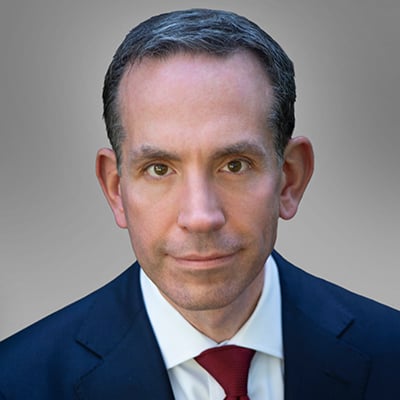
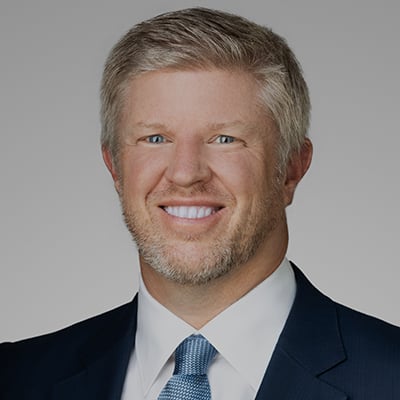
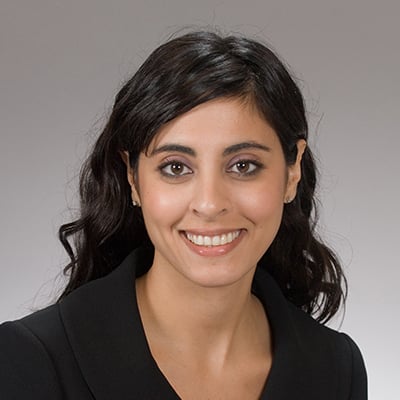
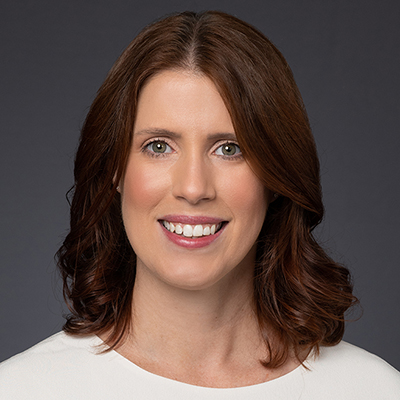
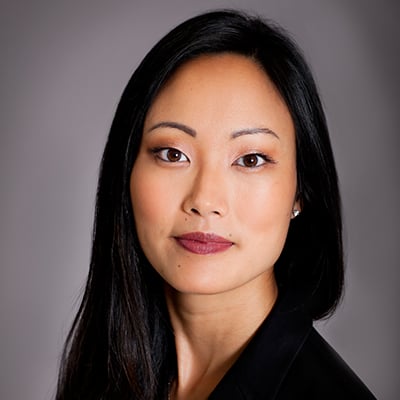
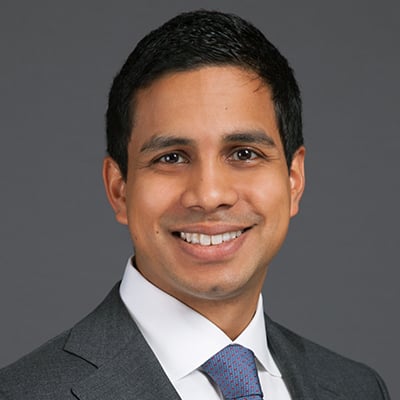
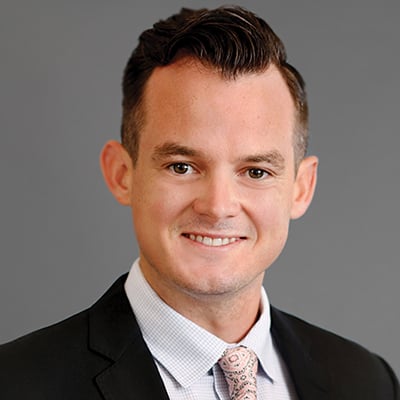
Lawyers Adam Alper and Mike De Vries participated in a Q&A as part of The American Lawyer Litigation Daily's "Litigator of the Week" feature. Kirkland was recognized for its recent win for Applied Materials in a lawsuit involving a pair of technology patents that had also been at issue in a $4 billion patent infringement case for Samsung. Sharre LotfollahiKendra DelaneyYungmoon Chang, Greg Polins, Akshay DeorasKyle Calhoun and Kat Li were also highlighted.

Just about two years ago, Adam Alper and Michael De Vries of Kirkland & Ellis took home Litigator of the Week honors after scoring a defense win for Samsung at trial in Waco, Texas, in a semiconductor patent case where Demaray LLC was seeking more than $4 billion in damages.

That’s billion with a B.

Last week, the pair followed that win up by knocking out Demaray’s damages expert and significant portion of its technical expert’s opinion in a case pending in San Jose, California, against another Kirkland client, Applied Materials. This week, on the eve of a scheduled trial date, the parties informed U.S. District Senior Judge Ed Davila that they’d reached a settlement to end the litigation—a deal that will see Applied paying nothing to Demaray.

Litigation Daily: How did this matter come to you and your team?

Mike De Vries: While we regularly litigate a wide variety of technologies, from computer hardware and software to pharmaceuticals and life sciences, a particular area of focus over the years has been semiconductor technologies. We first met our client Applied Materials, the leading semiconductor manufacturing equipment provider in the world, shortly after we won a jury trial in San Jose involving highly technical semiconductor manufacturing technology. At that time, the litigation had already been filed and litigated for some time, and IPR proceedings on the asserted patents were nearly concluded. Given our experience with this type of technology and, more importantly, a shared vision with our client about where we could take this litigation together, it was a perfect match.

Tell me about the patents in this suit. What was the underlying technology fight about?

Adam Alper: This case involved some of the most critical equipment in the semiconductor industry. Here, the products at issue were certain of Applied Materials’ semiconductor manufacturing chambers—machines responsible for creating computer chips. Applied Materials has been developing these technologies for over 30 years, and its chambers are used by the biggest semiconductor manufacturing companies in the world. The Demaray patents-in-suit concern a particular set of components that it alleged could be used in these chambers. Over the course of this matter, we argued that Demaray’s approach to this technology was not used by Applied Materials, and the things Demaray was pointing to for infringement were invented by Applied years before Demaray’s patents came about.

Who was on your team and how did you divide the work?

De Vries: Without question, the key to the successes that have been achieved in this litigation over the years has been the outstanding team that has represented Applied Materials. They are among the most experienced trial lawyers and IP litigators in the country, with a proven track record of success. Sharre Lotfollahi led the damages case, handling key aspects of the damages arguments at the Daubert hearing, with significant contributions from Kendra Delaney and Yungmoon Chang, who also played key roles at the hearing and the case generally, and Greg Polins, who made significant contributions to drafting the winning damages Daubert arguments. Akshay Deoras led the technical case, handling key aspects of the technical arguments in the hearing on the recently decided Daubert motions, with significant contributions from Kyle Calhoun, who argued important aspects of the hearing and made significant contributions to the winning technical Daubert arguments. And Kat Li was also a key contributor to various aspects of the case over its many-year history.

The trial that you just narrowly avoided was set up to have some unique features. You were going to get to tell the jurors about some of what had happened in your Texas trial for Samsung, right? What else was going to be atypical about it?

Alper: This case was different than many others in that the same Demaray patent claims against the same Applied Materials products were already tried to a jury in Texas, when Samsung was the defendant. So, unlike many trials, the parties and witnesses here could be confronted with their positions and testimony on the same issues from that prior proceeding. On top of that, one of the hard-fought pretrial disputes concerned whether we could tell the jury about that prior Texas lawsuit and, in particular, how the jury found no infringement across the board on the same patents and products. In many instances, that type of evidence might not be permitted. But, in a lengthy hearing on this matter, we explained to the court how Demaray was planning to rely on similar evidence and how it would only be fair to allow the Texas verdict in the case, and the court agreed with us. As a result, we were prepared to present the Texas verdict in our opening statement, but in a fair way that still ensured that the jury would reach its own conclusions on infringement.

How had you been able to narrow the infringement case against Applied Materials prior to Judge Davila taking up the Daubert issues?

Alper: We did that in a number of ways. First, in ruling on summary judgment motions we filed, Judge Davila eliminated certain of Demaray’s infringement theories on their technical merits, and precluded others based on estoppel in view of the Texas judgment. That, however, still left other infringement arguments for trial. But, a few days before trial, Judge Davila issued a ruling striking Demaray’s technical experts’ opinions on another of Demaray’s key infringement theories, finding that they had not offered opinions that met all the claim elements under that theory. That was significant, as Demaray relied heavily on that theory in the Texas trial.

What were your key arguments for excluding Demaray’s damages expert?

De Vries: As reflected in the Court’s Daubert ruling, the reasonable royalty damages theory of Demaray’s damages expert was based on a litigation settlement agreement that one of Applied Materials’ customers entered into with Demaray two weeks before a trial was scheduled to begin in Waco, Texas, involving the same asserted patents as those in Demaray’s California claims against Applied Materials. We raised a number of arguments challenging that opinion, but the primary argument was that the litigation settlement was not the most comparable license in the record given the existence of an earlier-in-time license to the asserted patents that was not entered into in the context of settling a litigation. Ultimately, the court agreed with that argument and excluded Demaray’s reasonable royalty opinion on that basis.

Knowing how much the two of you enjoy trying cases together, there has to be part of you that wishes this trial actually was going forward, right? Which part where you most looking forward to?

De Vries: At bottom, we do this job because we love trying cases before juries and have been fortunate to be able to try many of our cases to successful verdicts. That, of course, requires intense preparation and strategic thinking both throughout the case and in the months and weeks leading up to a trial. In that sense, the trial itself is the culmination of a long process, filled with strategic thinking, game planning and hard work. Any time you are ready to put all that planning into action, there is a part of you that wishes you could have seen it all play out. Here is no different, and the part we were most looking forward to was being in front of the jury, putting on the trial we had intensely prepared for and getting to witness what the jury ultimately thought about everything through their verdict.

What can other lawyers with clients facing potential patent claims take from what you were able to do here?

Alper: The key here for us throughout this matter was preparing the case for trial before the jury. We had some important pretrial victories along the way, but ultimately, what drove the result was an important jury trial win in Texas and our readiness to try the case in California. Applied believed it was right and that there was no infringement, and we think that our preparation allowed Applied to confidently proceed toward trial and hold the line. Ultimately, that was the right decision here.

What will you remember most about this matter?

De Vries: What I will remember most about this particular matter is the camaraderie between our team and client working together towards a shared goal. We could not have asked for a better client to work through this matter with. They were not only strategic and fearless in their approach to the matter, but were also wonderful teammates who fostered the kind of collaboration that is truly required to achieve successes like the ones we were fortunate to achieve together in this matter.

Alper: I completely agree. Applied Materials demonstrated an unparalleled level of courage in taking this adversary on. Applied believed it was right, and held on to those principles until the end. We also truly enjoyed working with the Applied leadership, shoulder-to-shoulder, for years now since we stepped in to assist them in this matter. This includes our day-to-day colleagues at Applied, Silena Paik and Nate Zhang, as well as Mike Bishop and other leadership at Applied. I’ll also remember the team here at Kirkland & Ellis—Sharre, Akshay, Kat, Yungmoon, Kyle, Greg, Kendra and many others—who demonstrated such excellence to deliver this exceptional result to Applied.

REPRINTED WITH PERMISSION FROM THE JANUARY 23, 2026 EDITION OF THE AM LAW LITIGATION DAILY © 2026 ALM MEDIA INC. ALL RIGHTS RESERVED. FURTHER DUPLICATION WITHOUT PERMISSION IS PROHIBITED